Battle of Annan
Camisade of Annan
Background
Edward Balliol had a major victory at the Battle of Dupplin Moor in August 1332 against superior forces led by the Earl of Mar.
In October, Archibald Douglas, Guardian of Scotland, negotiated a truce with Balliol to allow the Scottish Parliament to convene and decide who was the rightful King. Believing the truce was secured, Balliol dismissed most of the English forces that had supported him at Dupplin Moor, and he relocated to Annan, on the North shores of the Solway Firth in Dumfriesshire, to spend Christmas. In September, he had crowned himself king of Scotland at Scone, although David II of Scotland was already King, though still a minor.
While at Annan, Edward Balliol issued proclamations that he had regained the Scottish throne with England's support. He also acknowledged Scotland as a fief of the English crown, pledged fealty to King Edward III of England, and promised him land concessions, including Berwick-upon-Tweed, deepening Scottish nobles' opposition, especially those supporting David II.
Battle
In the early morning hours of December 16th, 1332, a small force of Scots loyal to David II launched a surprise attack on Balliol's position, catching them completely unprepared.
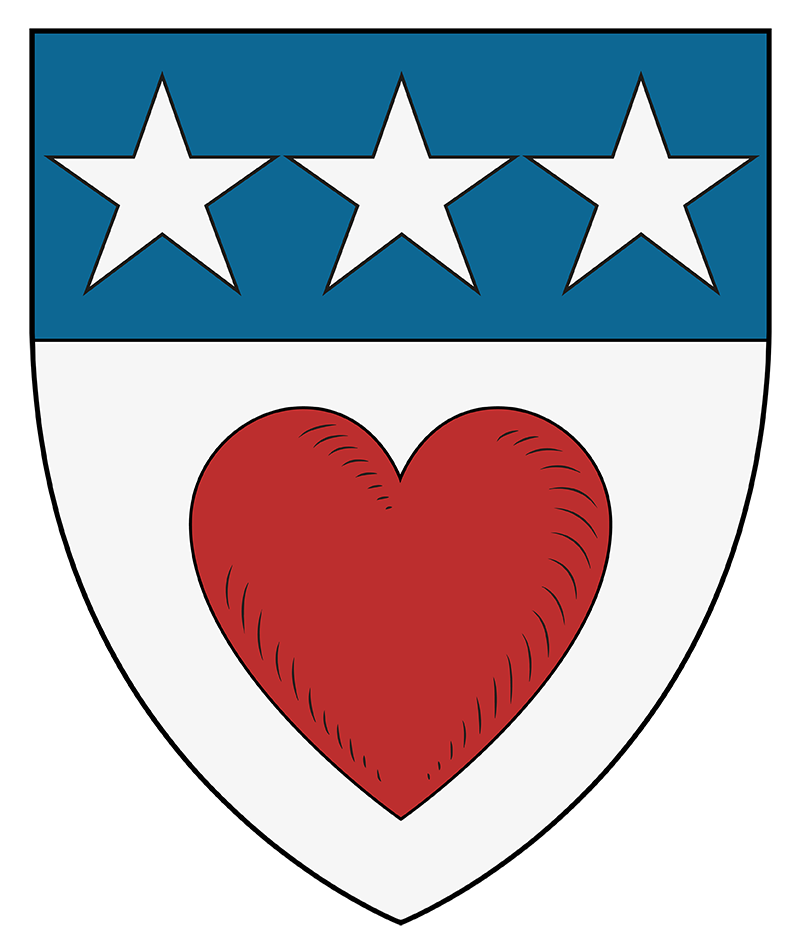
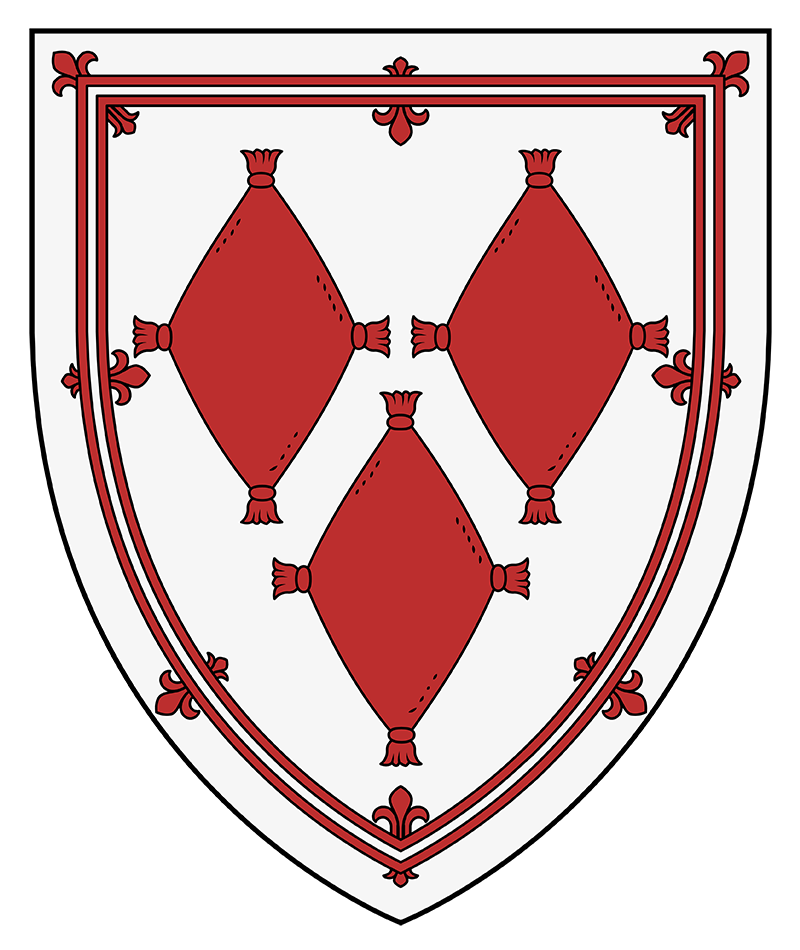
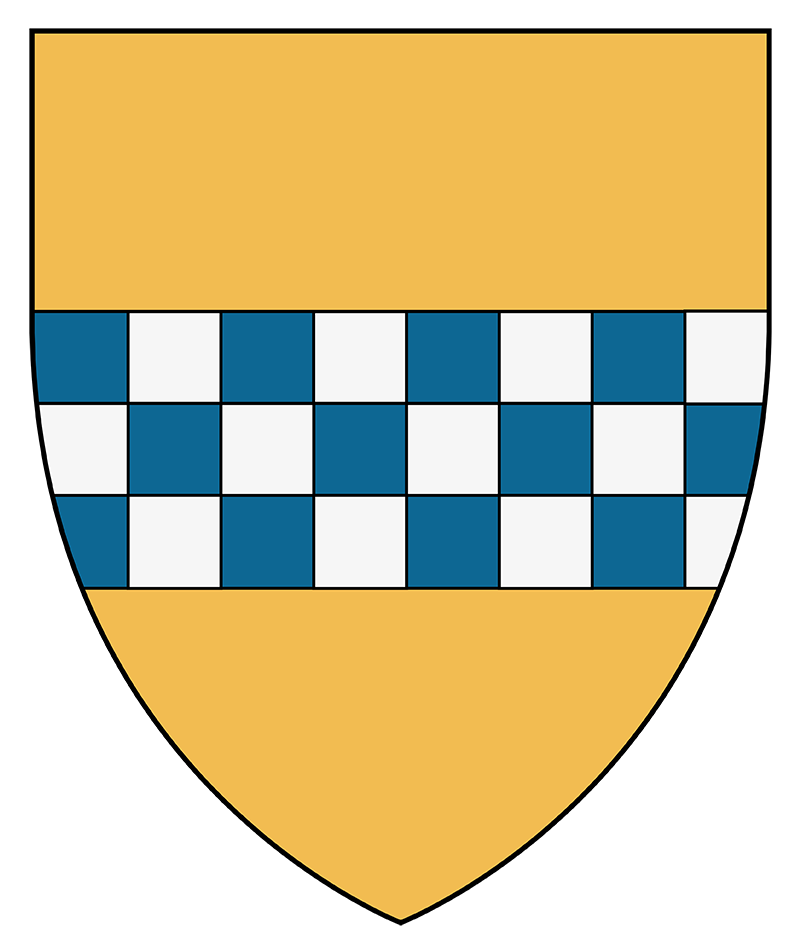
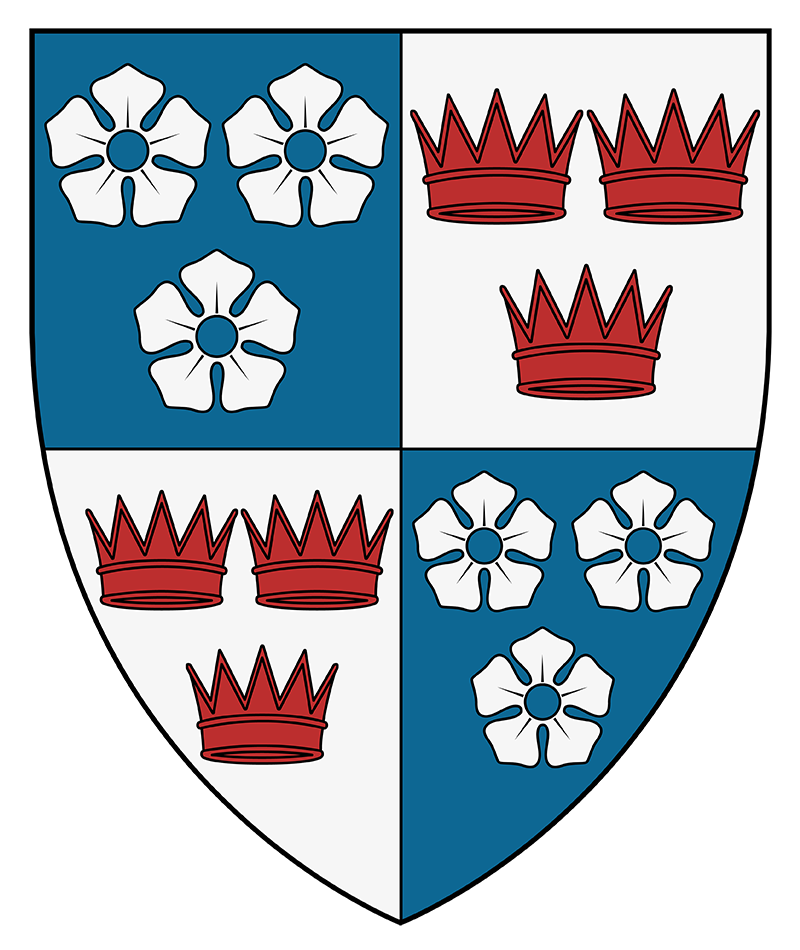
The attack was led by Archibald Douglas, John Randolph, 3rd Earl of Moray, Robert Stewart (future King Robert II), and Simon Fraser, 1st Laird of Lovat.
Most of Balliol's men were killed, and Balliol himself barely escaped by fleeing, reportedly through a hole in the wall. He then rode on an unsaddled horse in his nightclothes across the border to Carlisle, England.
Aftermath
The rout at Annan ended Balliol's first attempt to claim the crown during the Second War of Scottish Independence. His younger brother and designated heir, Henry Balliol, later died from wounds sustained in the attack. Walter Comyn was also killed in the battle.
Alexander Bruce, Earl of Carrick and cousin of David II, supported Balliol and was captured but spared by John Randolph, 3rd Earl of Moray.
As a result, David's supporters' victory forced Edward III of England to become more directly involved in his support for Edward Balliol, leading to further conflicts.