Battle of Boroughbridge
Background
The Battle of Boroughbridge happened during the same era as the First War of Scottish Independence. It was significant for using tactics learned from battles with Scotland, but occured becasue of internal power struggles between the King of England, Edward II and his barons.
King Edward II of England favored powerful subjects, often setting the established barons against him. After the barons captured and executed his favorite, Piers Gaveston, the Despensers became Edward's new favorites, ushering in a new phase of baronial opposition.
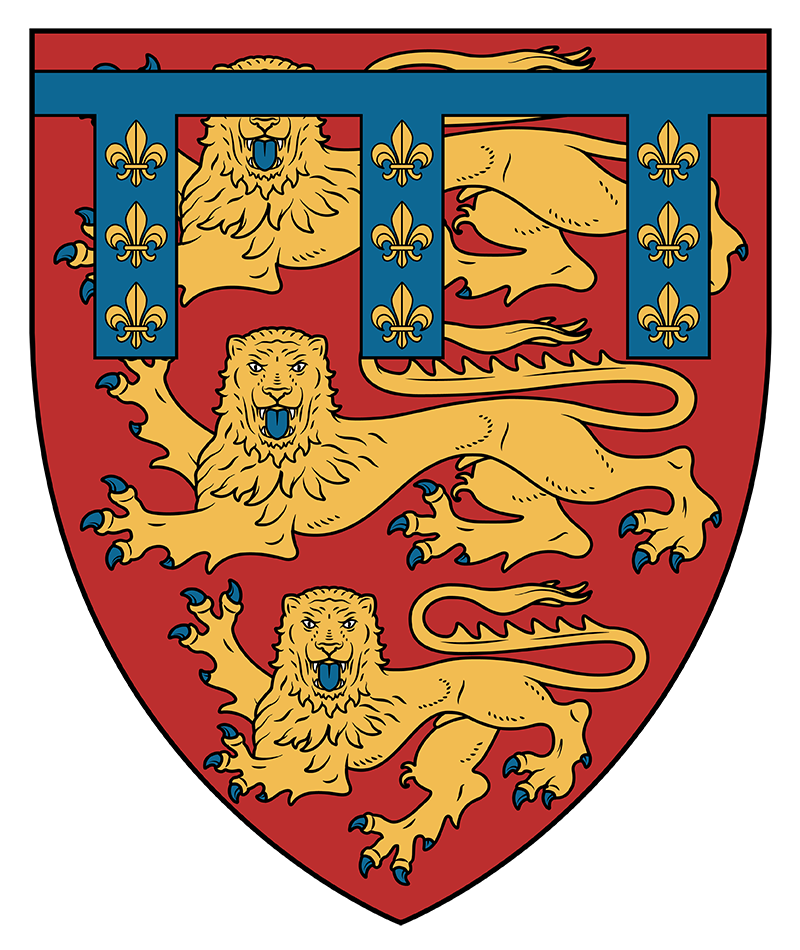
Thomas, 2nd Earl of Lancaster, the King's cousin, was among the barons opposing the King. To curb royal authority, these barons established new regulations known as the Ordinances. Yet Edward remained unchanged, and by the late 1310s, he was firmly in control of the government.
This tension continued into 1319, when, after a failed campaign in Scotland, Edward II and Thomas of Lancaster's relationship further deteriorated. The following year, Lancaster refused to attend a parliament summoned by the King. At the same time, an inheritance dispute broke out in the Welsh Marches between Humphrey de Bohun, 4th Earl of Hereford, and the Despensers.
Lancaster used this strife to his advantage. In 1321, he summoned Bohun and other magnates to two meetings: one at Pontefract Castle in March and another in Sherburn in June. As a result of the barons' threat of civil war, Edward II exiled Hugh Despenser the Younger, though Despenser was recalled within weeks.
Edward moved north, while in November, Lancaster held one last meeting at Doncaster. Afterward, Lancaster allied with Robert the Bruce to strengthen his hand against Edward during the ongoing War of Scottish Independence.
In January 1322, King Edward II crossed the River Severn and forced several marcher lords to surrender. Edward pressed on. When the royal army crossed the River Trent after the Battle of Burton Bridge, Lancaster was forced to flee north along the Great North Road to his castle at Dunstanburgh. There, he could defend himself or flee to Scotland if needed.
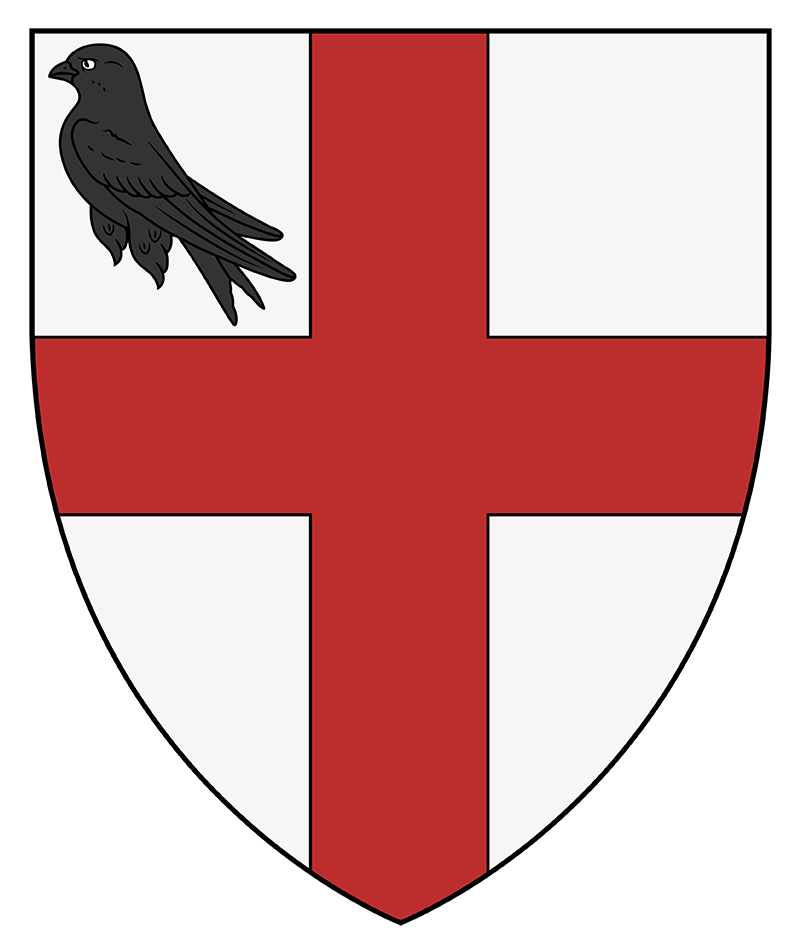
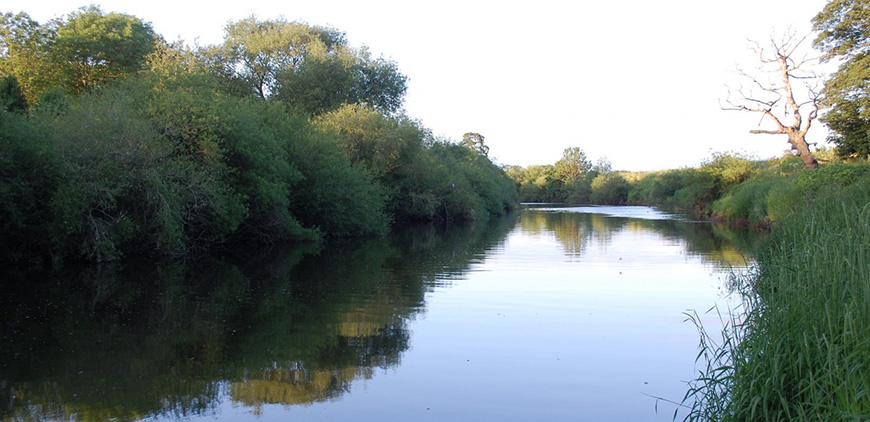
On March 16th, Thomas of Lancaster and his forces reached Boroughbridge by the River Ure in North Yorkshire. There, they were intercepted by Andrew Harclay's forces, who had arrived from Carlisle and took position for the King.
Lancaster knew Harclay, having knighted him in 1303.
Battle
When Thomas of Lancaster arrived at Boroughbridge, Andrew Harclay and his forces were already there and in possession of the bridge that crossed the River Ure.
Lancaster's forces included 700 knights and men-at-arms. Harclay commanded 4,000 royal troops, mostly foot soldiers, pikemen, and archers. Lancaster tried to negotiate a truce, but Harclay stood firm. With no way to cross the river and head north, the rebels had to fight.
Harclay used foot soldiers to hold the bridge. He sent more forces to secure a nearby ford and protect the flank and prevent Lancaster from crossing the river. He then deployed pikemen in schiltrons to counter the rebel cavalry. This tactic, learned from battles with the Scots, was seen by Harclay during the First War of Scottish Independence.
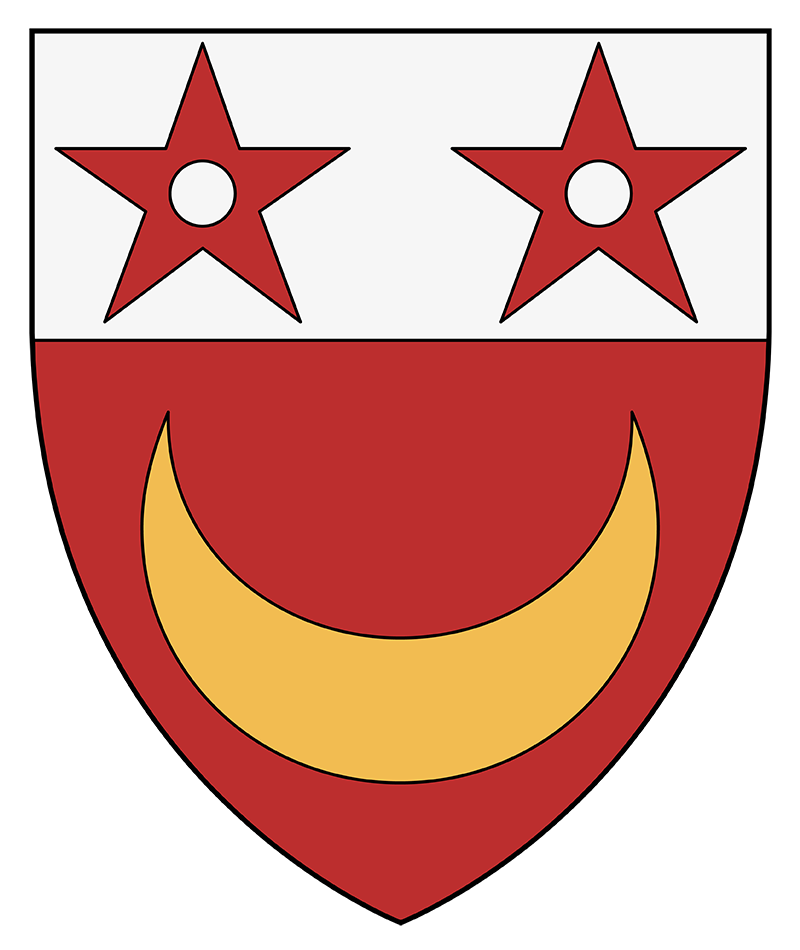
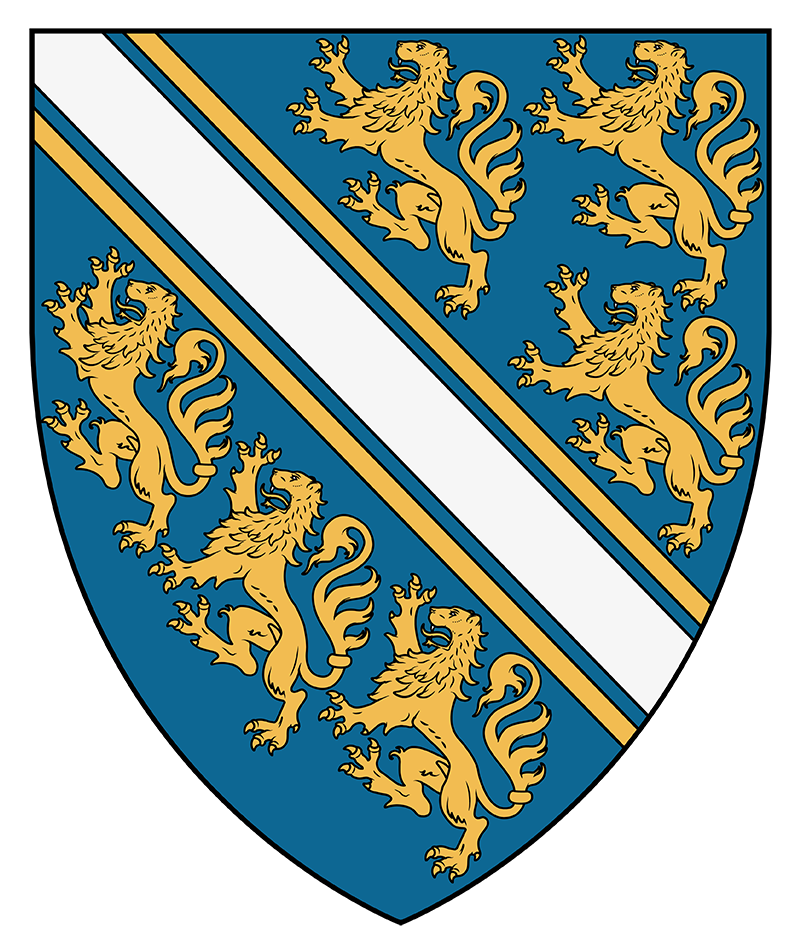
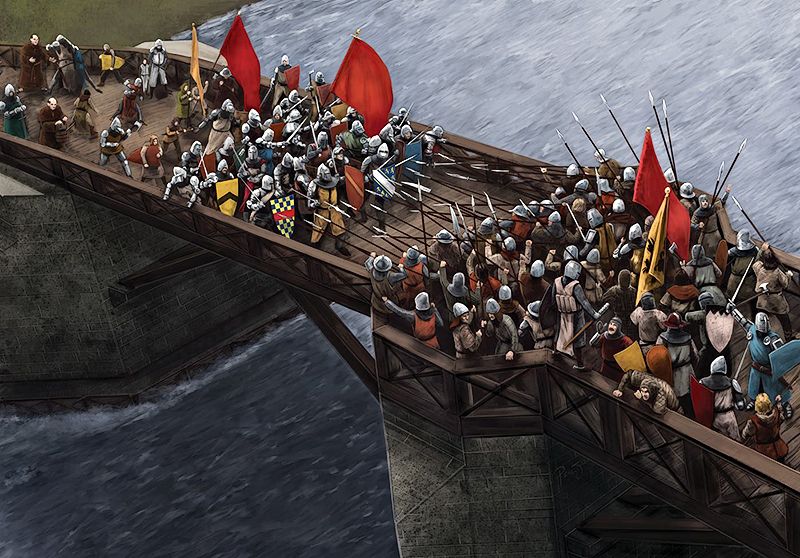
The rebel forces split into two columns. Humphrey de Bohun and Roger de Clifford led one group to attack the bridge. Lancaster led the other, attempting to cross the ford in the River Ure.
According to the medieval chronicle Brut, Humphrey de Bohun, 4th Earl of Hereford, was killed as he crossed the bridge by a pikeman hiding underneath. The pikeman thrust his spear up through the Earl. Roger de Clifford was badly wounded, and their column fell into disarray.
Thomas of Lancaster's column fared no better. Heavy fire from archers cut off his cavalry before they could reach the ford, forcing a retreat. This was an early example of the English longbow's power against knights on horseback.
Lancaster then negotiated a truce for the night with Harclay, stating that on the morrow he would either surrender or do battle again, and withdrew to town. During the night, many rebel forces deserted Lancaster, while fresh reinforcements under Simon de Ward, the High Sheriff of York, arrived to support Harclay.
The next morning, Lancaster sought sanctuary at St James's Chapel. However, he was soon dragged out, stripped, and forced into a peasant's clothing. With no alternatives, he surrendered to Harclay.
Aftermath
After surrendering to Harclay, Thomas of Lancaster was sent to York and then to his own castle at Pontefract, which had now surrendered to the King. He was given a show trial. Before other barons and nobles, he was found guilty of treason and sentenced to death.
On March 22nd, 1322, Thomas of Lancaster was led from his own castle at Pontefract and beheaded before a jeering crowd. About 30 of Lancaster's rebels were also executed in the aftermath. Roger de Clifford was hanged from the Keep at York Castle, which now bears his name, Clifford's Tower.
After demonstrating loyalty and service at Boroughbridge, Andrew Harclay was rewarded by King Edward II and made Earl of Carlisle on March 25th, 1322.
Andrew Harclay later negotiated a peace deal with Scotland, which Edward II saw as treason. As a result, Harclay was hanged, drawn, and quartered. Ironically, Edward later made the same deal with Scotland.