Battle of Nesbit Moor (1355)
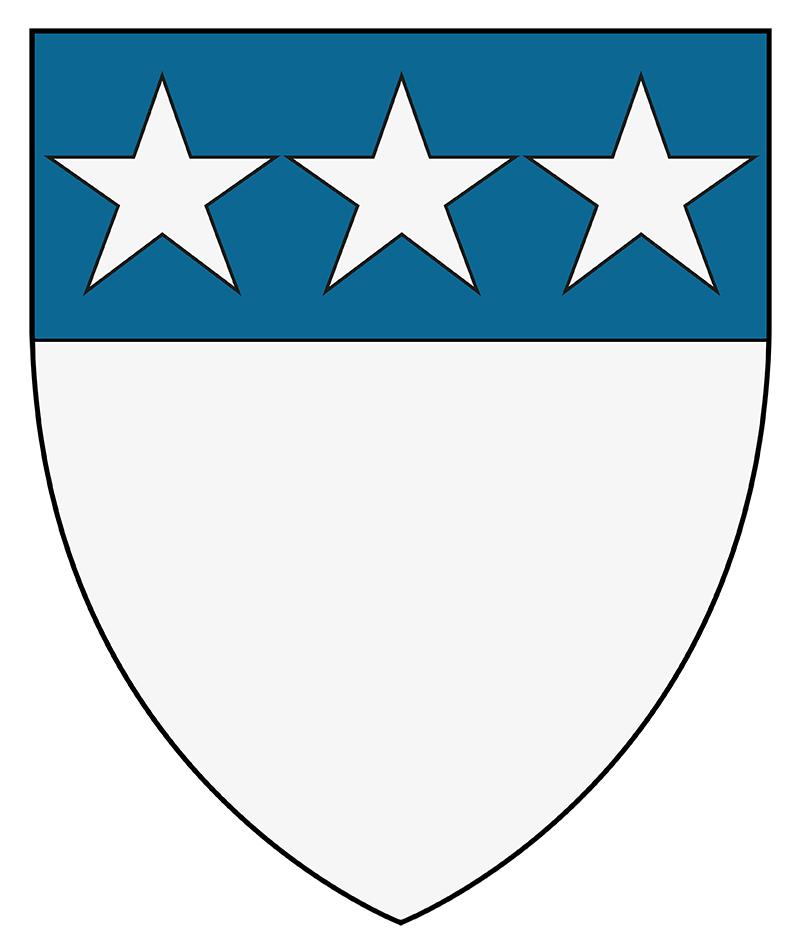
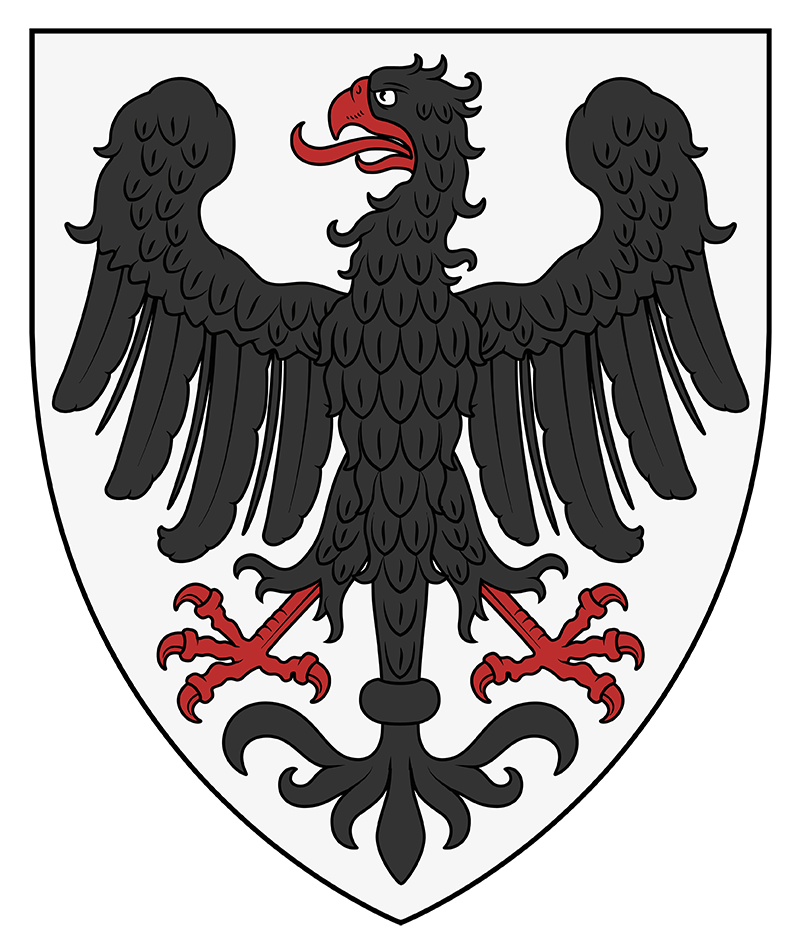
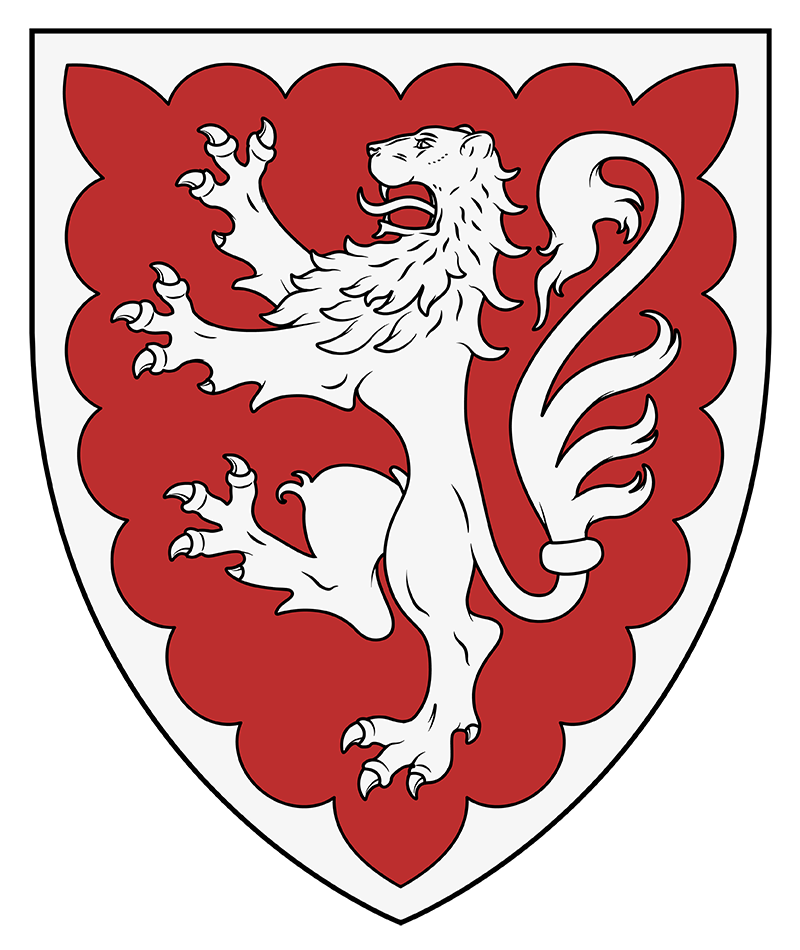
Patrick Dunbar and Thomas Grey
Background
The Battle of Nesbit Moor was fought in the Merse, the lowland country of Berwickshire, in August 1355, and it was a small but important Scottish victory in the Second War of Scottish Independence. It is sometimes said to have been too small to count as a real battle, but this ambush led straight to the Scottish capture of Berwick and to Edward III's invasion of Lothian, which became known as the Burnt Candlemas.
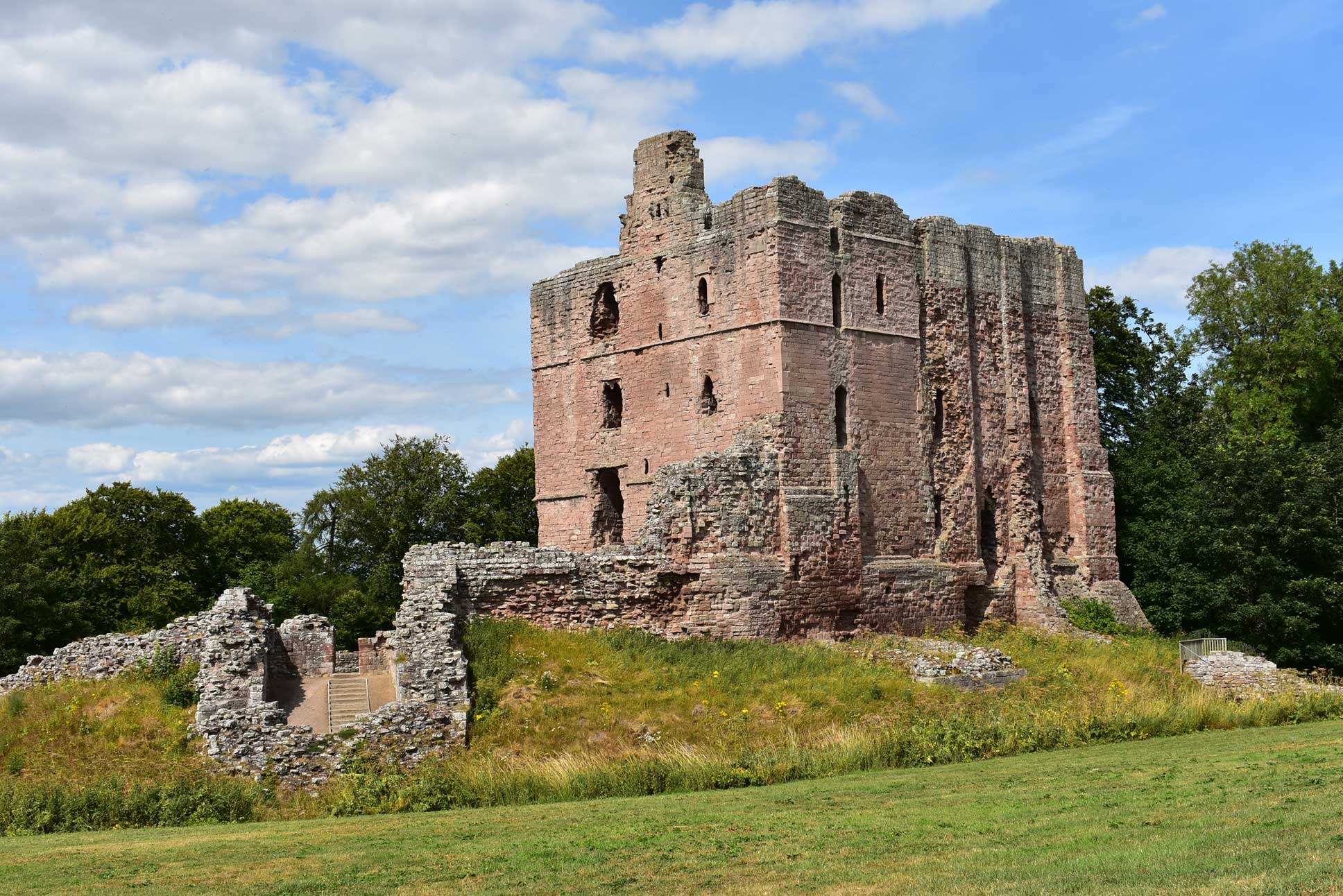
Norham Castle, on the English bank of the Tweed. Sir Thomas Grey was its constable.
David II had been a prisoner in England since Neville's Cross in 1346, and talks about his release had dragged on for years. In early 1355, a truce ran out and the negotiations broke down, and the fighting began again. The English raided Scotland and burned lands that belonged to Patrick Dunbar, Earl of March. France, which was still at war with England, supported the Scots with money and with about sixty knights.
The Ambush
In August, March and William, Lord of Douglas, marched into the Merse with their men and the French knights. Douglas sent Sir William Ramsay of Dalhousie to raid the country around Norham Castle, whose constable was Sir Thomas Grey. Grey stayed behind the walls and sent out scouts, who found no other Scottish forces. Ramsay's men burned a village and drove off livestock, and Grey and Lord Dacre rode out with men-at-arms to recover the cattle.
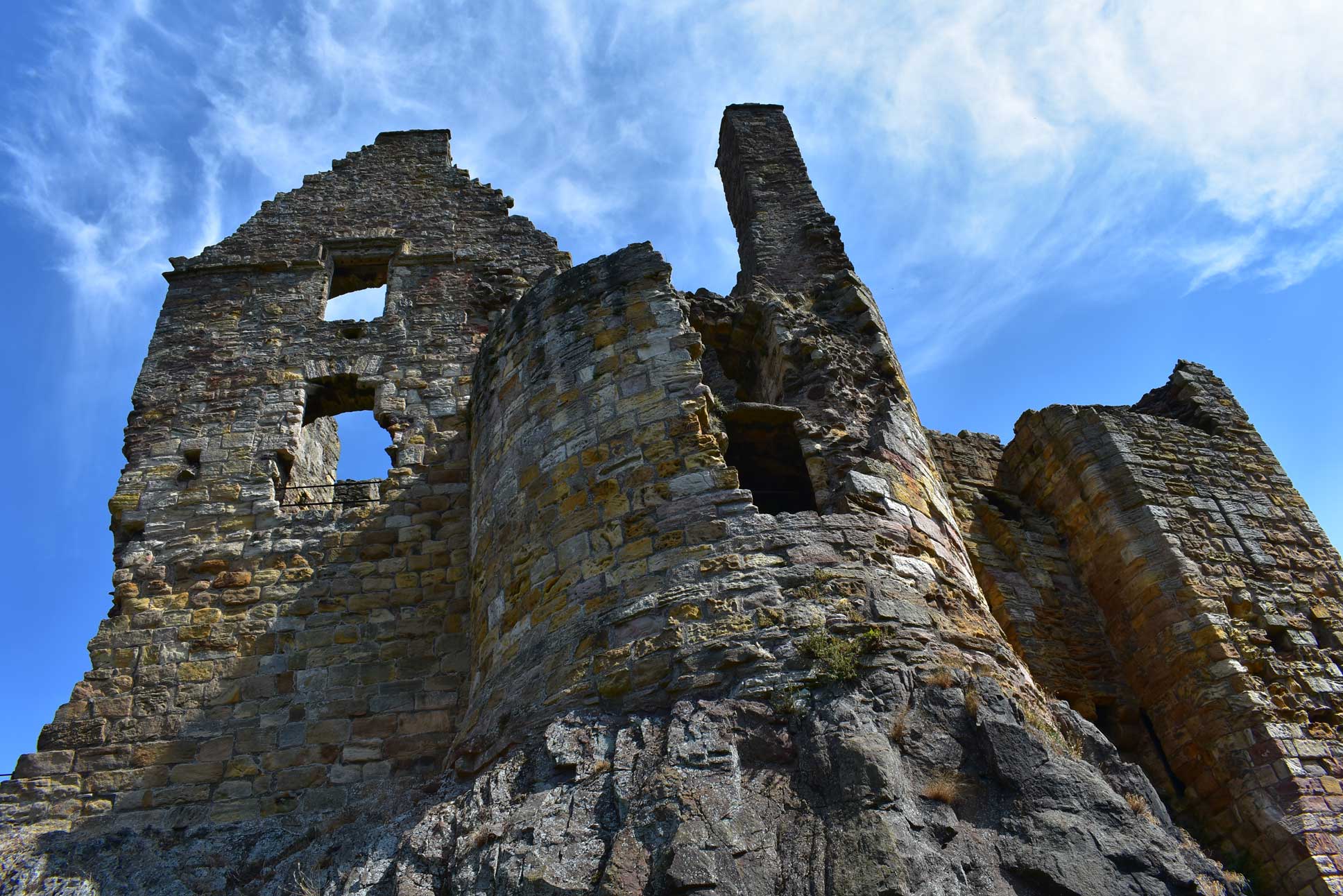
It was a trap. March and Douglas were waiting in the woods south of Duns, and Ramsay fell back to the north, drawing the English after him. Grey left the cattle behind to chase him, and the main Scottish force cut off his way back to the border. The fight began when Grey saw the Scottish banners. The English charged, but they were outnumbered, and the Scots won. They took many prisoners, including Dacre, Grey, and Grey's son, Sir Thomas Grey, who had just been knighted. Scottish losses were light, although John Haliburton of Dirleton was killed.
Aftermath
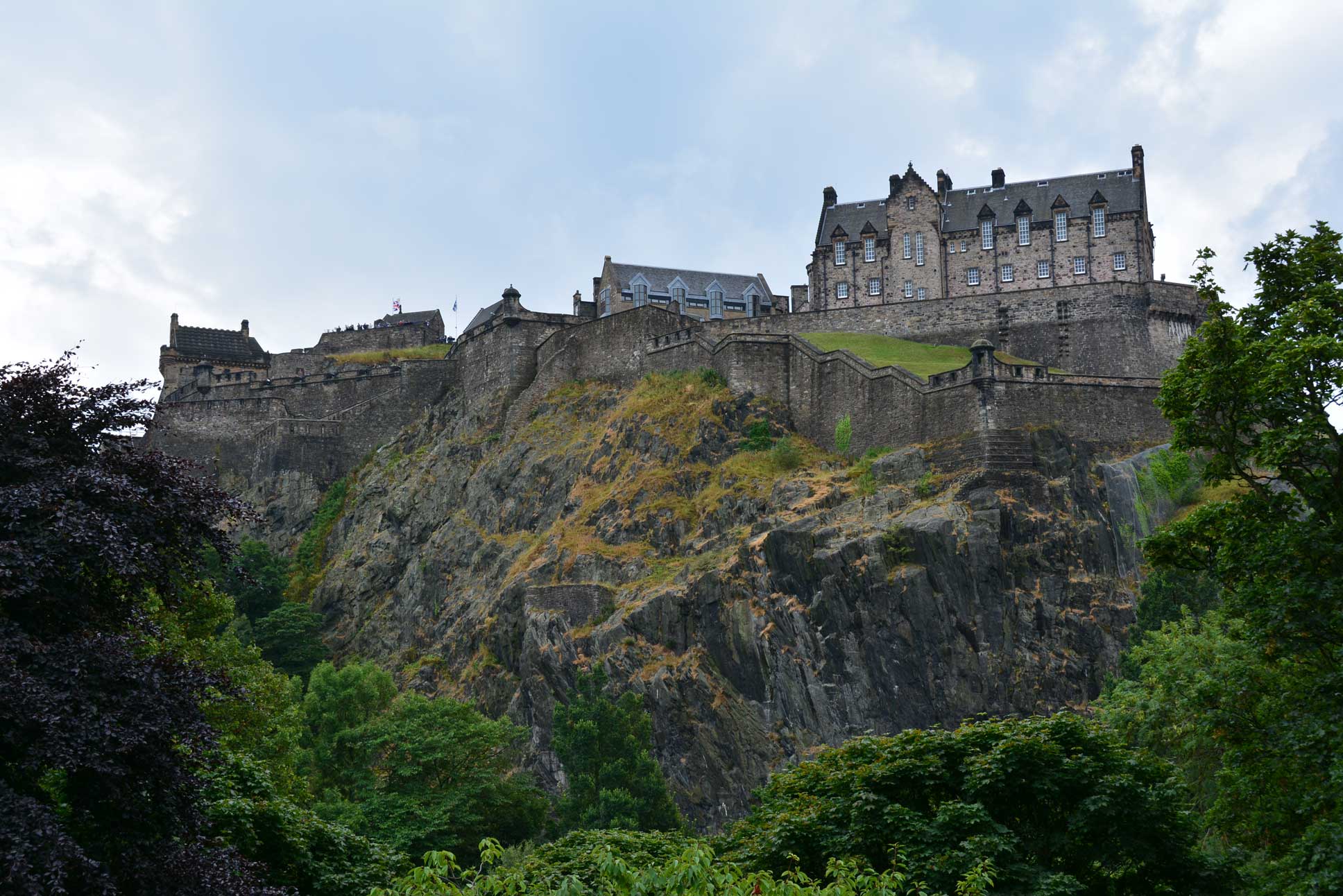
The English nobles were held for ransom. Grey was taken to Edinburgh Castle, where he began writing a history of England, the Scalacronica, and in 1356, he wrote to Edward III to ask for help with his ransom. He was free by August 1357. One account says a French knight bought most of the common prisoners and had them killed to avenge his father, who had died at English hands, and the place is remembered locally as Slaughter Hill.
The English garrison at Berwick marched toward Norham, expecting a siege. Instead, Thomas Stewart, Earl of Angus, March, Douglas, and the French knights climbed the walls of Berwick shortly before dawn on November 6th, 1355, and looted the town. The garrison retreated into the castle, which John Coupland reinforced, and Robert Stewart, the Guardian of Scotland, took charge of the siege. The Scots could not take the castle.
Edward III cut short his plans in France and came north, and he was at Newcastle by December 24th. The Scots left a garrison of about 130 men in Berwick, and when Edward arrived with the main army on January 13th, 1356, they negotiated and were allowed to leave with the plunder they could carry. On January 20th, Edward Balliol gave up his claim to the Scottish crown in return for a pension, and the English army marched into Lothian, burning everything in a belt 50 to 60 miles wide. The Scots refused battle and destroyed their own food, and a storm scattered Edward's supply ships, so the army went back south through Melrose, with Douglas harrying its stragglers. A partial truce was agreed on April 18th, 1356.
In 1357, the Treaty of Berwick released David II for a ransom of 100,000 marks, to be paid over ten years, and it effectively ended the Second War of Scottish Independence.