Battle of Wilton
Background
King Stephen and Empress Matilda continued their struggle for the crown. By 1142, both sides had become more cautious about open battle and focused on besieging each other's castles.
In early 1143, Empress Matilda consolidated her position in the West Country, using Bristol and Devizes as her base of operations as she continued her struggle for the crown.
Stephen then focused on a new campaign to subdue the West Country from Matilda's supporters. He marched on Wareham, a port used by Matilda and her supporters to communicate with Normandy. However, Wareham was too well defended to be captured, so he turned toward Salisbury. On the way, he occupied Wilton Abbey while awaiting reinforcements from Winchester.
Battle
While King Stephen was at Wilton Abbey gathering his men for an attack on Salisbury, Robert FitzRoy, Earl of Gloucester, launched a surprise attack at sunset on July 1st, 1143, and besieged Wilton Abbey.
Stephen had not expected the attack and was caught off guard, perhaps due to poor scouting or intelligence. As darkness fell, he attempted to break out of the siege, but his forces were pushed back and dispersed by a cavalry charge from Robert's forces.
In the chaos that followed, Stephen escaped from the burning abbey but was almost captured as his forces came under attack. His rearguard was led by William Martel, Stephen's steward and castellan of Sherborne Castle. Martel led a fierce rearguard action against Robert's men, allowing Stephen time to escape. Martel was then forced to surrender.
Aftermath
After the battle, William Martel was taken prisoner and held at Wallingford Castle. Robert FitzRoy's forces burned houses in Wilton.
To secure Martel's release, King Stephen surrendered Sherborne Castle to Robert as ransom. Even after the loss of Sherborne Castle, William Martel continued to support Stephen. As a result of gaining Sherborne Castle, Robert FitzRoy's power extended from the Bristol Channel to the south coast of Dorset.
The Civil War, known as the Anarchy, settled into a stalemate and would continue for another decade, with neither side gaining any ground.
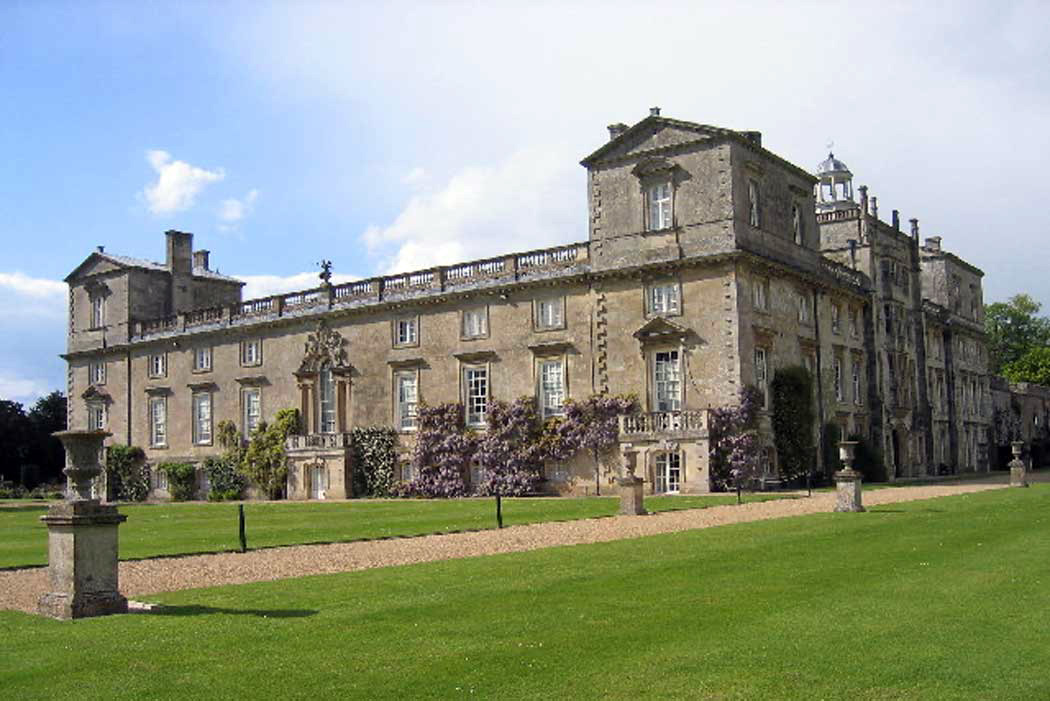
During the Dissolution of the Monasteries, Cecily Bodenham surrendered Wilton Abbey to King Henry VIII in 1539. The site was granted to William Herbert, who would become the Earl of Pembroke. He built Wilton House on the site where Wilton Abbey stood, and nothing remains of the abbey today.