Ghosts of Chirk Castle
Chirk Castle in Wales was begun in 1295 by Roger Mortimer de Chirk, a Marcher Lord who built it for Edward I as part of his "Iron Ring" of castles meant to control the Welsh. By around 1310, it had round towers, curtain walls, and a gatehouse with a double portcullis and murder holes, along with a dungeon carved out of the solid rock. Mortimer died a prisoner in the Tower of London in 1326 after rebelling against the crown.
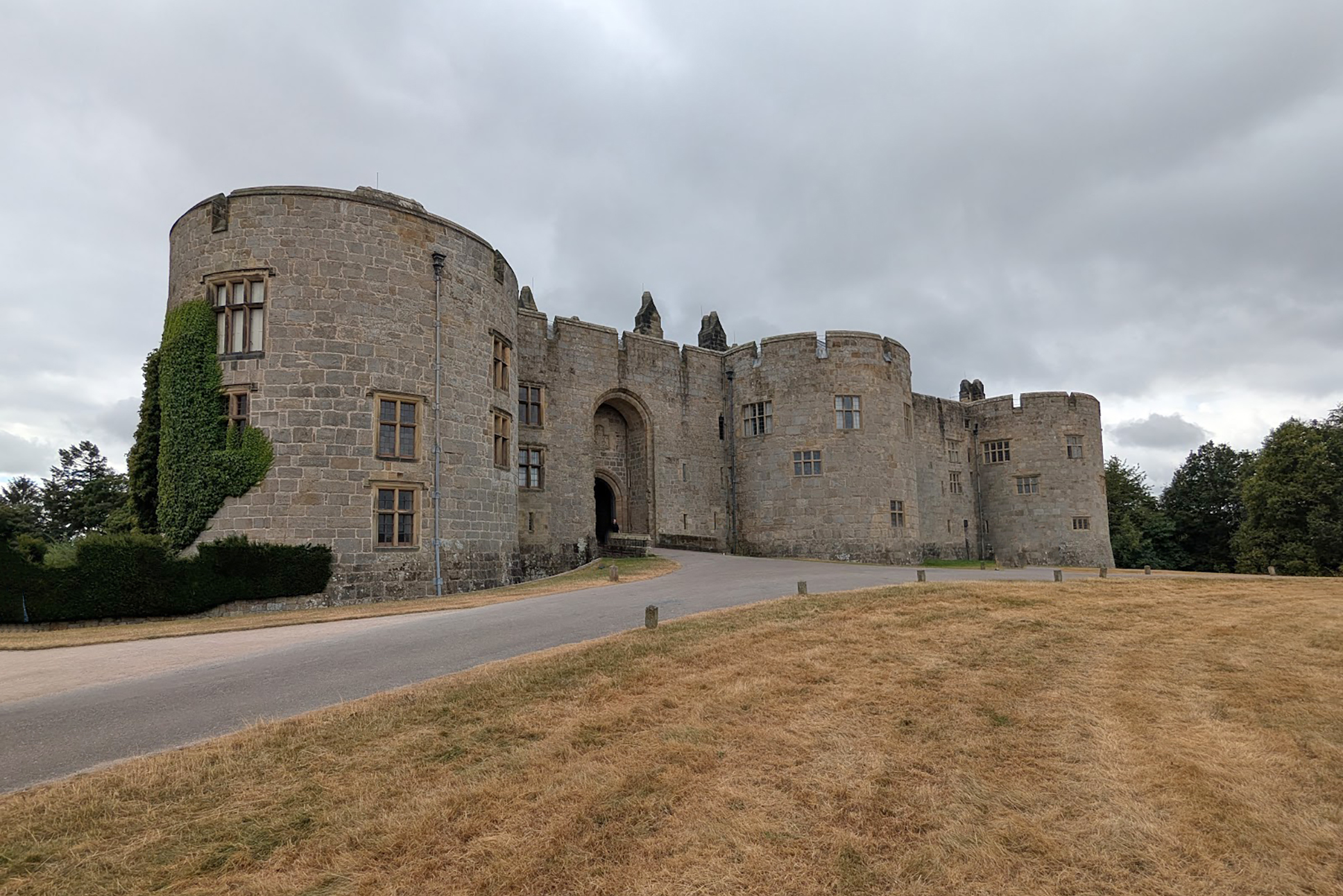
The FitzAlan Earls of Arundel held the castle from 1335 to 1415 but were mostly absent. In 1495, Sir William Stanley, the then-owner, was executed for treason, and the crown took the castle back. In 1595, Sir Thomas Myddelton, a London merchant who would become Lord Mayor of London, bought Chirk for £5,000 and turned the neglected fortress into a comfortable home. His family lived there for more than 400 years.
During the English Civil War, both Royalist and Parliamentarian forces attacked the castle. It was heavily damaged but survived, and Charles II returned it to the Myddeltons after the Restoration. In the 1840s, the architect Augustus Pugin remodeled much of the interior in the Gothic Revival style. Chirk has been in the care of the National Trust since 1981.
With more than 700 years of history behind its walls, it is no surprise that visitors and staff at Chirk Castle have reported many strange experiences over the years.
A lady in green is often seen on the grand staircase. Some witnesses describe her wearing black, and others say she is dressed in Victorian costume.

The Long Gallery at Chirk Castle.
Ghostly footsteps have been heard in the Long Gallery and in the dungeon. Other reports include a dog, the sound of crying children, and a group of soldiers carrying an injured comrade on a stretcher. The soldiers may be a memory of the castle's Civil War days, when it was attacked from both sides.
Many people have felt invisible hands grab or touch them as they walk along the castle's corridors. Others report dark shadows, cold spots, unexplained knocks, and candles that flicker for no reason.
In May 2008, a photographer experimenting with long exposures on a digital camera captured a semi-transparent female figure outside the castle chapel.
