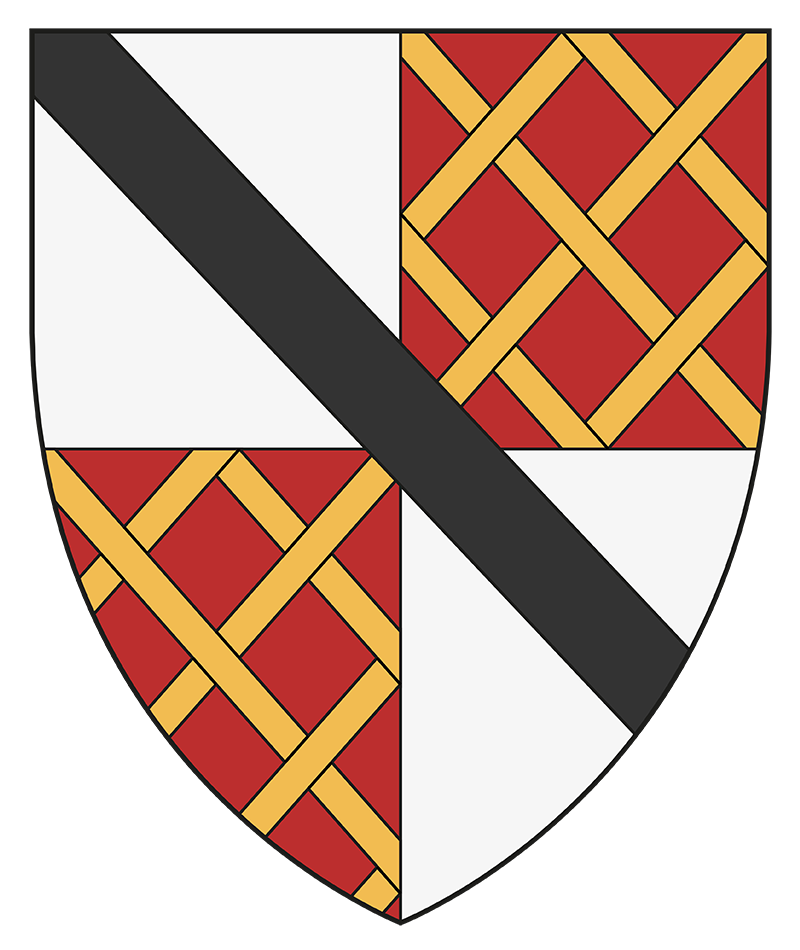
Hugh Despenser - 1st Earl of Winchester
The Elder Despenser
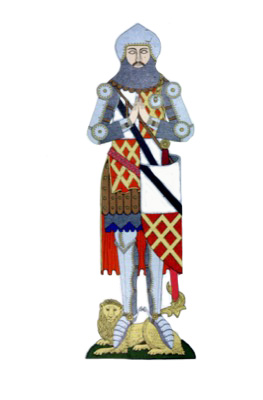
Hugh Despenser the Elder was a powerful English Nobleman, Chief Advisor to King Edward II, and loyal servant to the crown. He was born in Gloucestershire, England, on March 1st, 1261. He was the son of Hugh le Despenser, 1st Baron le Despenser, and Aline Basset.
His father was killed at the Battle of Evesham when Hugh was still a minor, but his inheritance was saved through the influence of his maternal grandfather, who was loyal to King Henry III.
Hugh Despenser married Isabella de Beauchamp, daughter of William de Beauchamp, 9th Earl of Warwick, and Maud FitzJohn. They had six children together: Aline, Hugh the Younger, Isabella, Philip, Margaret, and Elizabeth.
Hugh Despenser was known for being loyal to the crown. He served Edward I in battle in Scotland and France and as a diplomat. In 1295, he was summoned to Parliament and created a baron by writ. Before that, he was justice of the forests, where he was responsible for administering forest laws and protecting the lands and the game thereon for the crown.
Hugh's son, also named Hugh (the Younger), was also loyal to the crown and a favorite of Edward II. When the barons rose against Edward II and Piers Gaveston, Hugh Despenser was one of the few barons to remain loyal to the King. He became the King's Chief Administrator after Gaveston's execution in 1312.
However, due to his unjust behavior and corruption against others, and his influence with the King, the other barons grew jealous. This, and Hugh the Younger's influence with King Edward II, led to what is now known as the Despenser War (1321-22), when the barons revolted against Edward II in opposition to Hugh Despenser the Younger, the royal favorite.
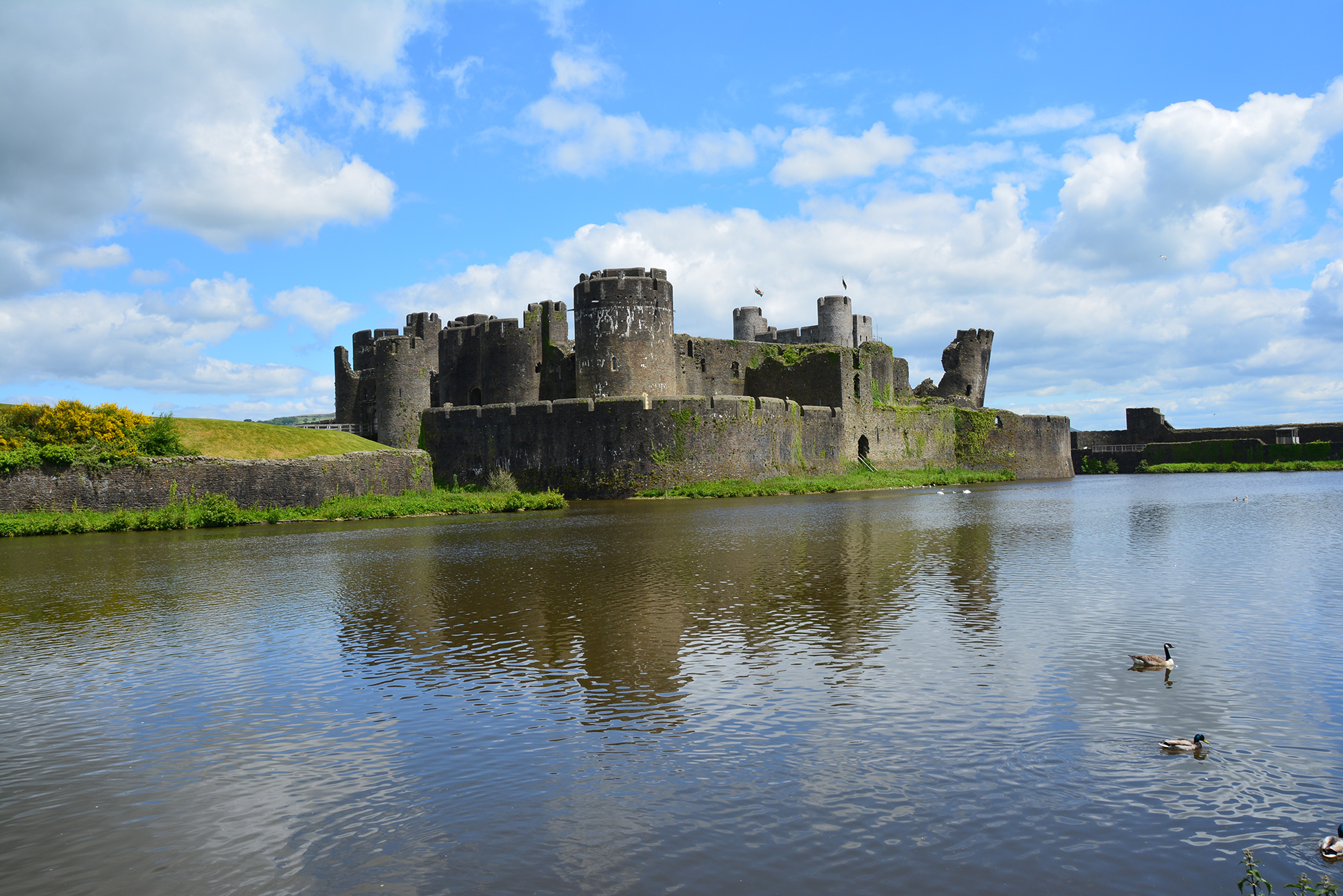
The revolt was led by Roger Mortimer, 1st Earl of March, and Humphrey de Bohun, 4th Earl of Hereford. Roger Mortimer led an eight-day siege of Caerphilly Castle, one of the Despenser properties, in May of 1321. Mortimer and Bohun then set about pillaging Glamorgan and Gloucestershire before joining Thomas of Lancaster at Pontefract Castle.
Soon after, the barons swore an alliance promising to remove the Despensers. Aymer de Valence, 2nd Earl of Pembroke, intervened and arranged for Queen Isabella to appeal to Edward to exile the Despensers to defuse the situation, which provided Edward with a way to save face with the barons. Hugh the Elder and his son were both exiled by the King in 1321.
But Edward found it difficult to rule without the Despensers and recalled them from Exile to England in 1322. That same year, Hugh Despenser was created, 1st Earl of Winchester, second creation, which angered Edward's wife, Queen Isabella. Hugh supported Edward II during conflicts against the barons, including the Battle of Boroughbridge in 1322. Over the next few years, Hugh Despenser the Elder was often accused of widespread criminality, trespass, theft, and extortion of land or money.
Edward II was an unpopular King with the barons for the way he put his favorites, Piers Gaveston and then Hugh Despenser the Younger, ahead of established barons. Queen Isabella and Roger Mortimer led a rebellion against Edward, during which they captured first Hugh Despenser the Elder, and later Hugh Despenser the Younger.
Hugh Despenser the Elder was captured during the Siege of Bristol, which lasted from October 18th to the 26th, 1326. The siege lasted eight days, and after the final attack, Despenser was forced to surrender. Isabella wanted to imprison him, but Mortimer and Henry of Lancaster insisted he should face an immediate trial, in which he was found guilty. The next day, October 27th, 1326, Hugh Despenser the Elder was hanged while still in his armor at Bristol, after which he was beheaded and his body cut into pieces and fed to the dogs. His head was sent to Winchester for display. His title of Earl of Winchester was forfeit and not to be revived again until 1472.
What remained of his remains were buried at Tewksbury Abbey, in Gloucestershire, England. Pardons were issued to the thousands of people whom Despenser had falsely accused of wrongdoing during his corruption. His execution marked the collapse of the Despenser's dominance in Edward II's reign.
A month later, his son Hugh Despenser the Younger was hanged, drawn, and quartered at Hereford. Edward II would be held prisoner at Berkeley Castle, where he would die on September 21st, 1327, under suspicious circumstances.