The Giantess of Hay Castle
Hay Castle (Castell y Gelli) stands in the market town of Hay-on-Wye, Powys, just inside Wales on the border with England. The Normans built a castle here, and in the late 12th century, it was held by the powerful de Braose family, who rebuilt it in stone around 1200. Maud de Braose, the wife of William de Braose, was put in charge of Hay and the surrounding lands, and she became known as the Lady of Hay.
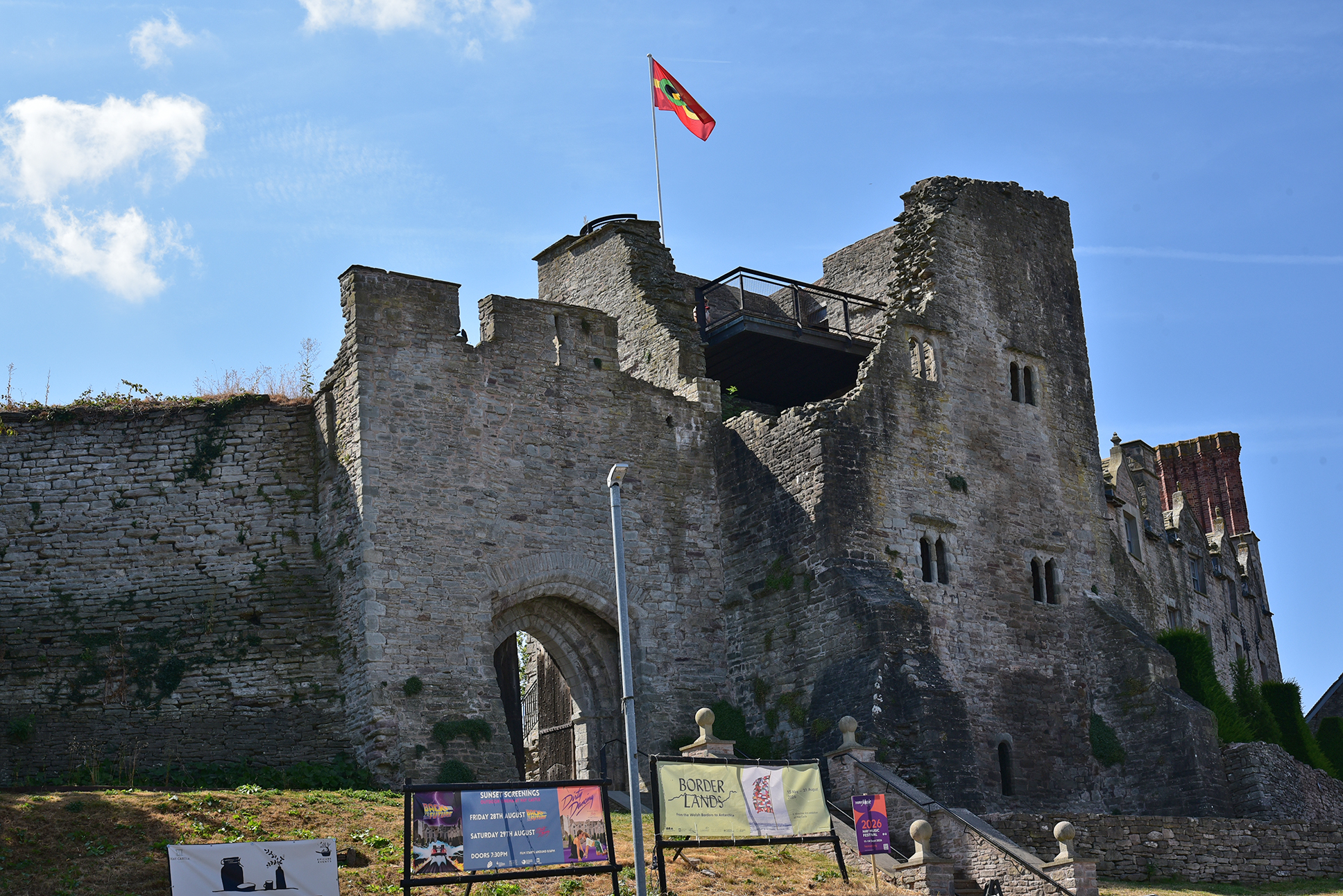
Maud was a formidable woman. In 1198, she held Painscastle for three weeks against a large Welsh army led by Gwenwynwyn, Prince of Powys, until English reinforcements arrived, and the castle was locally called Matilda's Castle. In time, folklore turned the Lady of Hay into something much larger than life.
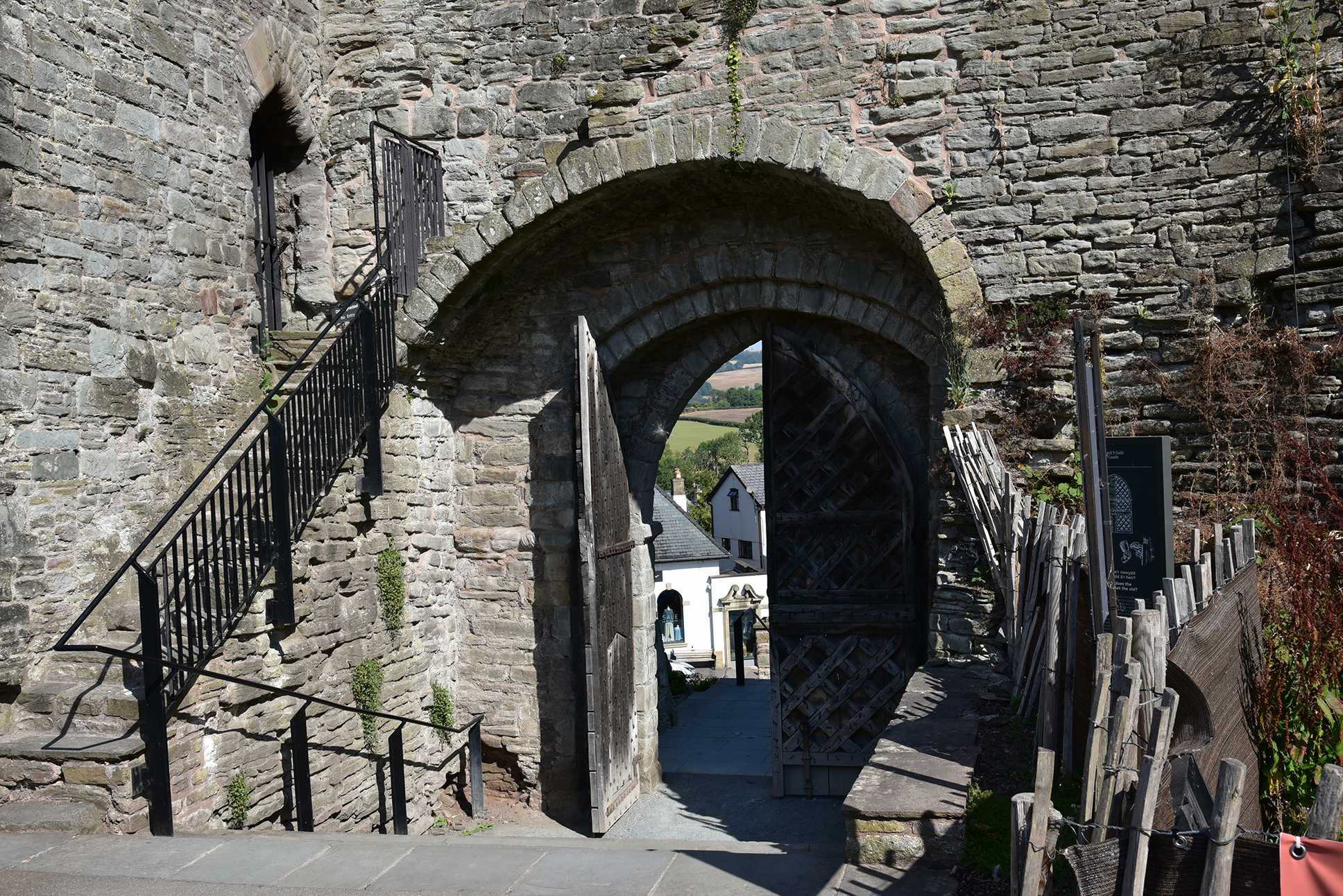
The gateway at Hay Castle.
In Welsh legend, she became Moll Walbee, a giantess with occult powers. According to the tale, she built Hay Castle entirely on her own in a single night, carrying the stones in her apron. As she worked, a pebble fell into her shoe. It was "about a foot thick and nine feet long," and when she took it out, she threw it across the River Wye, where it landed in the churchyard at Llowes, about three miles away. The writer Wirt Sikes recorded the story in his book British Goblins in 1880, and he adds that in many parts of Wales, heaps of stones are said to have been carried by a witch in her apron.
The Welsh folklorist Marie Trevelyan, writing in 1909, identified the giantess with Maud of Hay, the wife of William de Breos. She says people credited Maud with "occult powers, gigantic stature, and mysterious deeds," and that her name was a corruption of her father's name, Waleri.
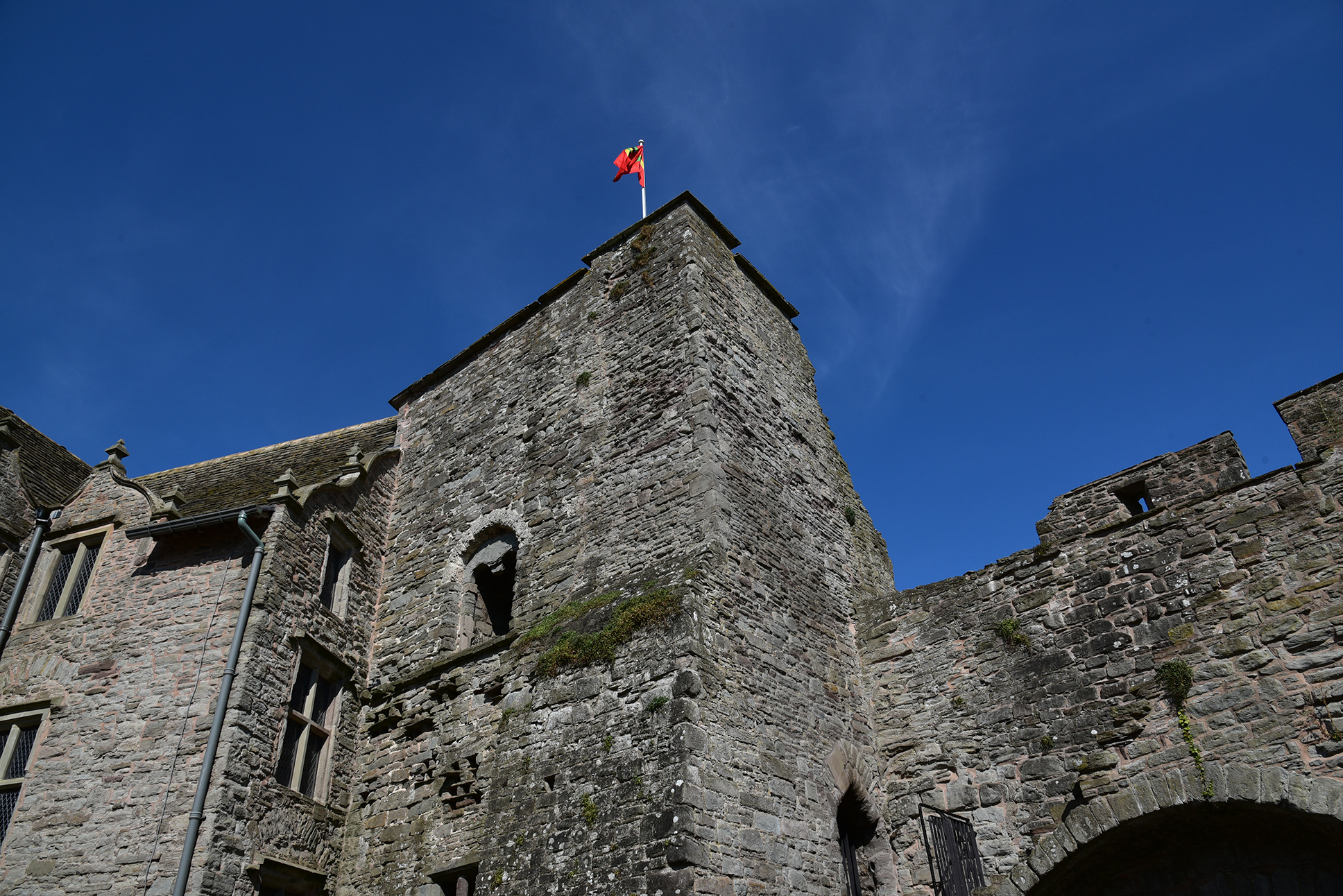
The tower at Hay Castle.
The pebble in the legend is real enough. Inside St Meilig's Church at Llowes stands a tall stone with a carved cross, possibly from the 6th or 7th century, which is known locally as Moll Walbee's Stone. It is thought to have stood near a monastery founded by St Meilig in the 6th century, and it was moved into the churchyard in the 12th century and into the church in 1956. Some historians suggest the castle legend may have grown from Maud adding a gateway arch to a tower built in the 1180s.
Hay Castle has little in the way of a traditional haunting. A biography of Matilda records a ghostly skull floating across the windows of the ruined keep about fifty years ago. The explanation was far more ordinary: children had put a lit candle inside a skull they had found hidden in a hole. Today, some visitors report unexplained experiences at the castle, but these remain anecdotes and not a long-established haunting.