James Hepburn - 4th Earl of Bothwell
Lord Bothwell
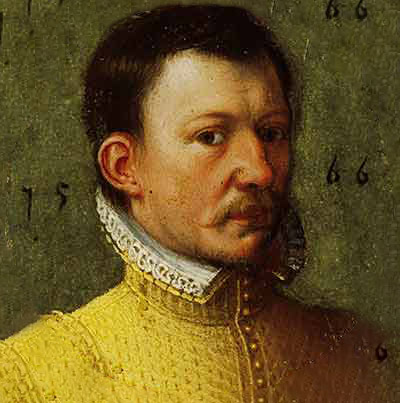
James Hepburn, 4th Earl of Bothwell, was a prominent and controversial Scottish Nobleman, best known as the third husband of Mary, Queen of Scots, and for his involvement in the political intrigues and scandals surrounding her reign.
James Hepburn was born around 1535 in either Edinburgh or Bothwell in South Lanarkshire, Scotland. He was the son of Patrick Hepburn, 3rd Earl of Bothwell, and Agnes Sinclair, daughter of Henry, Lord Sinclair.
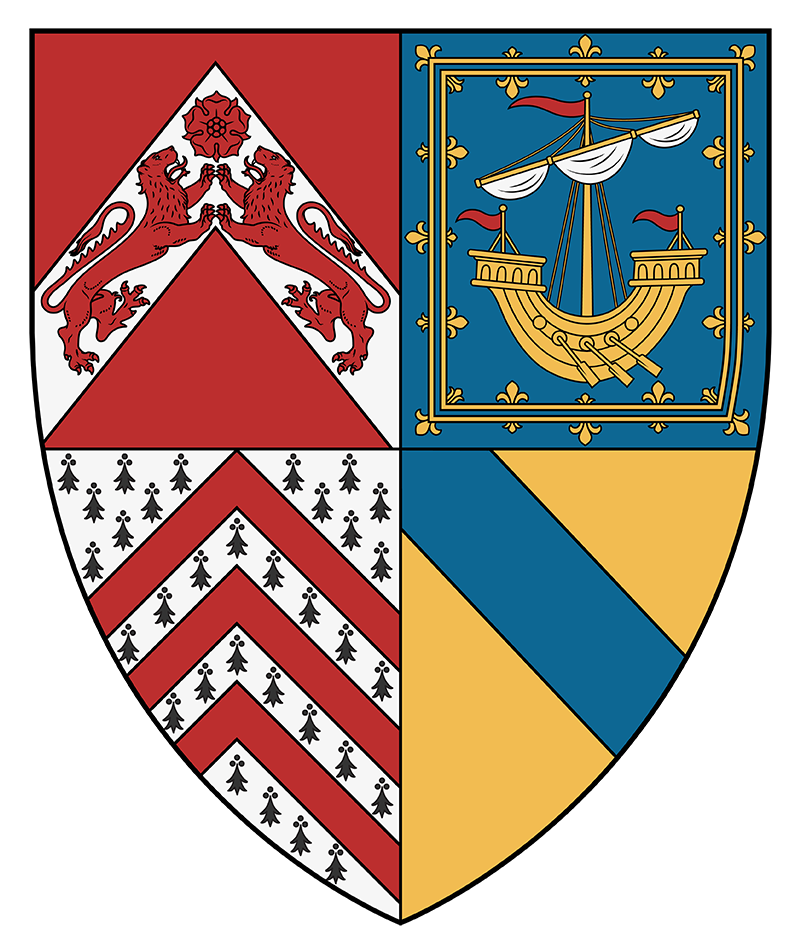
James succeeded his father as the 4th Earl of Bothwell, Lord Hailes, and the hereditary Lord High Admiral of Scotland, in September of 1556. In 1559, James visited Copenhagen as Lord High Admiral of Scotland. While there, he fell in love with Anna Throndsen. They were engaged, and Anna left with Bothwell for Flanders. Bothwell asked Anna to sell all her possessions, which she did. Bothwell abandoned his bride-to-be, but kept the dowry.
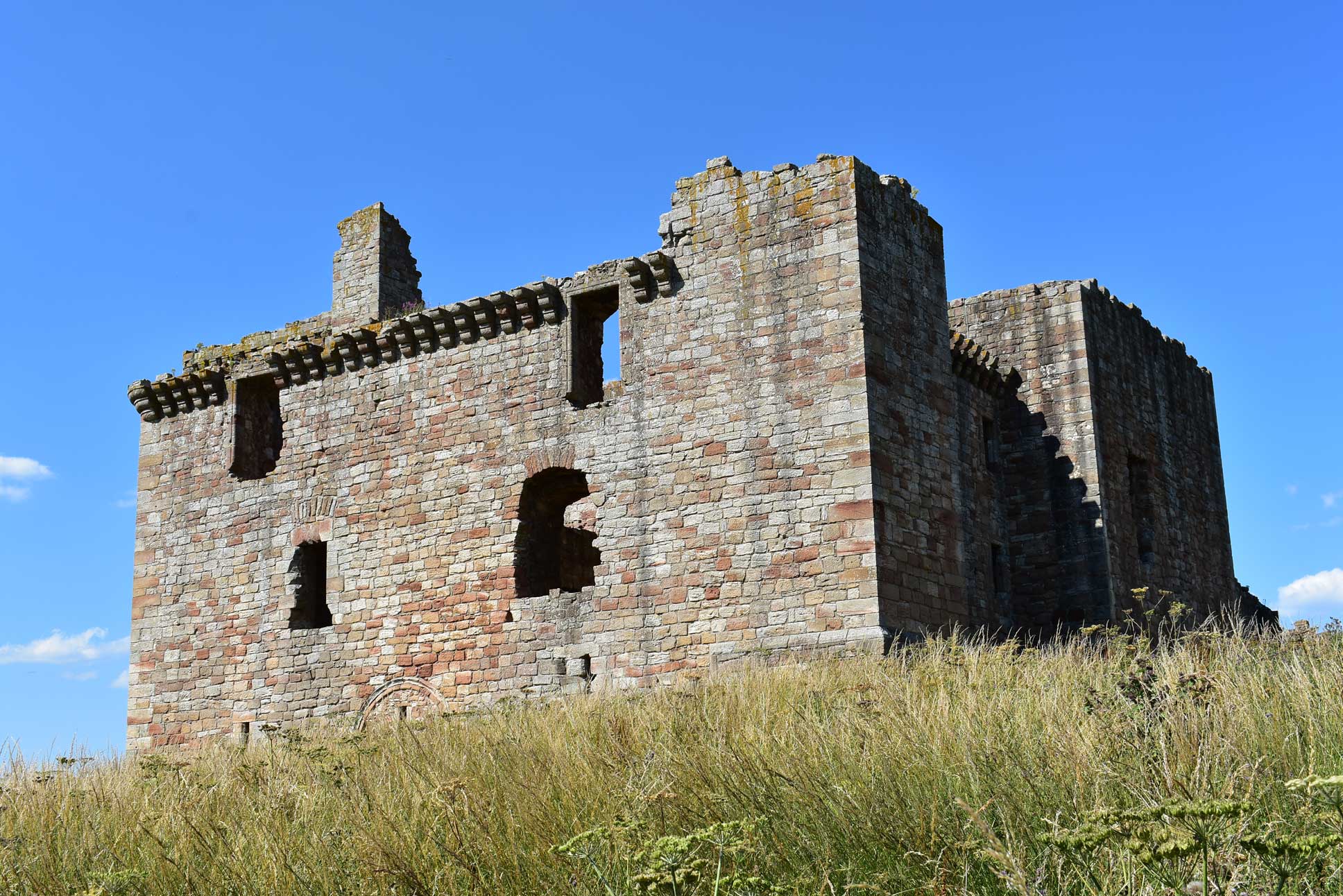
On Halloween of 1559, Bothwell and 24 followers ambushed the Laird of Ormiston. They took 6000 crowns of English money, intended for use against Mary of Guise, Queen Dowager and Regent of Scotland, whom Bothwell supported. In retaliation, the James Hamilton, 1st Duke of Châtellerault, sent his son James Hamilton, 3rd Earl of Arran, to seize Bothwell's home, Crichton Castle, to force Bothwell to join them. Bothwell was nearby at Borthwick Castle and remained loyal to Mary of Guise till her death on June 11th, 1560.
In the autumn of 1560, Lord Bothwell visited the French Court and was received by King Francis II of France and Queen Mary. He was well compensated, as he stated: "The Queen recompensed me more liberally and honorably than I had deserved." He would visit France another two times.
By August of 1561, the widowed Queen was on her way to Scotland to become Mary, Queen of Scots in a French Galley, partially arranged by Bothwell in his naval capacity.
Back in Scotland, Bothwell was a troublesome noble at court, quarrelling with James Hamilton, 3rd Earl of Arran and his family, who accused Bothwell of planning to kidnap Queen Mary and the Earl of Moray from a deer park at Falkland Palace during Easter, 1562. Bothwell was imprisoned in Edinburgh Castle without trial. Later that year, Bothwell escaped and went to Hermitage Castle. He then headed to France overland through England and was imprisoned by the English for a year while on the journey.
In 1565, Queen Mary recalled Bothwell from France to Scotland to assist in suppressing a revolt by James Stewart, 1st Earl of Moray, her half-brother.
On February 24th, 1566, Bothwell married Lady Jean Gordon, daughter of George Gordon, 4th Earl of Huntly. By now, Bothwell and Mary Queen of Scots were close, and she attended the wedding at Holyrood. Five days of jousting and tournaments followed the wedding.
In October of 1566, Queen Mary came to Jedburgh to hold courts after the birth of her son, Prince James. When she heard Bothwell had been seriously wounded and likely to die, she rode 25 miles to be with him at Hermitage Castle.
In November of 1566, Mary visited Bothwell at Dunbar Castle, and in December, both were present at Craigmillar Castle, where the disposal of Mary's husband, Henry Stuart, Lord Darnley, was arranged.
On February 9th, 1567, Bothwell and a few accomplices carried several kegs of gunpowder to the "Old Provost's House" of the Kirk o'Field, where they set the gunpowder on fire, destroying part of the lodgings and killing Lord Darnley. Though Darley's body and the body of his servant were found nearby, apparently strangled rather than killed by the explosion. Bothwell was accused of Darnley's murder, and the Privy Council began proceedings against Bothwell on April 12th, 1567. The trial lasted seven hours, and Bothwell was declared not guilty.
The following Wednesday, Queen Mary rode to the Parliament of Scotland, with Lord Bothwell carrying the Royal Scepter. On April 19th, 1567, eight bishops, nine earls, and seven lords signed the Ainslie Tavern Bond, declaring Mary should marry a native-born subject, and handed it to Bothwell.
On April 24th, Mary was en route to Edinburgh from Linlithgow Palace when Bothwell and 800 men appeared, warned her that danger awaited her in Edinburgh, and took her to Dunbar Castle for her safety. On May 12th, Mary created Lord Bothwell, Duke of Orkney and Marquess of Fife at Holyrood.
In early May of 1567, Bothwell and Jean were divorced, citing his adultery with her servant Bessie Crawford as the reason. On May 15th, Bothwell married Mary, Queen of Scots, in the Great Hall at Holyrood. Two weeks of festivities followed the wedding, culminating in a "Running at the Ring" tournament at Leith.
The marriage of Mary and Bothwell divided Scotland, and on June 16th, Lords opposed to the marriage signed a Bond denouncing them at Carberry Hill. Mary surrendered, and Lord Bothwell fled to Dunbar Castle, then Huntly Castle, and eventually Spynie Palace, never to be seen by Mary again. In December of 1567, an Act of Parliament forfeited Bothwell's titles and estates.
Bothwell hoped to reach Denmark and raise an army to put Mary back on the throne, but was caught off the coast of Norway after a ship battle where the mast of his ship was shot away. He was caught without proper papers and escorted to Bergen, the hometown of Anna Throndsen, to whom he was previously engaged. Anna raised a complaint against Bothwell, which her powerful family enforced. Bothwell was held in Bergenhus Fortress while being sued for abandonment and the return of Anna's dowry. Just before being released, King Frederick heard that Scotland wanted Bothwell for the murder of Darnley and took him into custody in Denmark. He was sent to Copenhagen, then to Malmö Castle.
On June 16th, 1573, James Hepburn, 4th Earl of Bothwell, was imprisoned at Dragsholm Castle, where he would spend the rest of his life in appalling conditions, until he went insane and died on April 14th, 1578.
Even after death, he could not escape Anna's revenge. A mummified body believed to be Bothwell's could be viewed at a church near Dragsholm until it was finally buried in the 1980s at the request of Bothwell's descendants.
He was buried in a vault at Fårevejle Church in Odsherred, Denmark, near Dragsholm Castle.