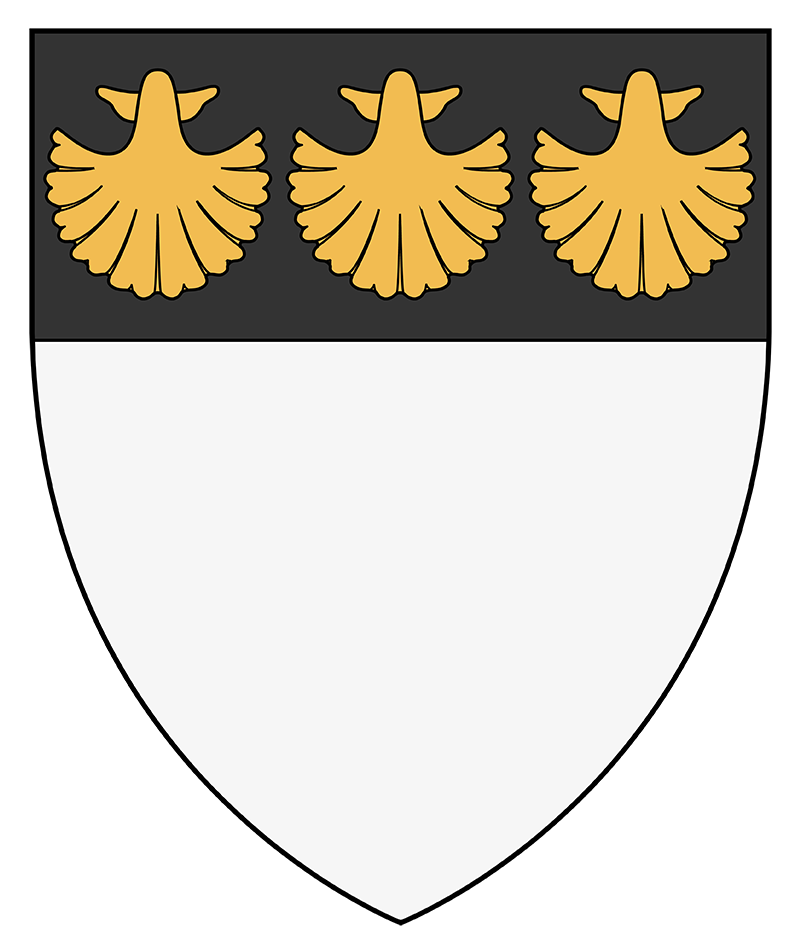
John de Graham
John de Graeme of Dundaff
John de Graham was a 13th century Scottish Nobleman, best known as William Wallace's close friend and right-hand man. He fought with Wallace during the First War of Scottish Independence.
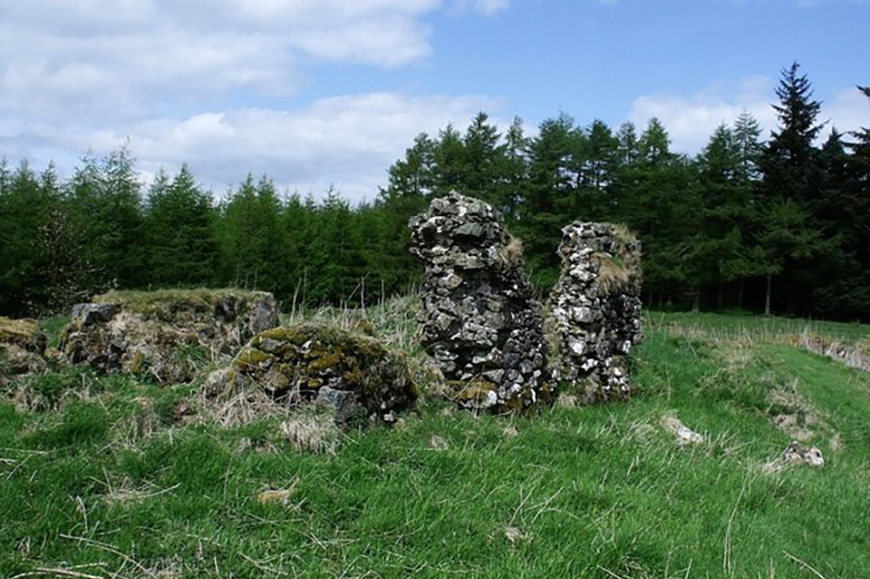
John was born around 1260 on the lands of Dundaff, Stirlingshire, Scotland. Likely born at or near Dundaff Castle, the family seat, he was the son of Sir David de Graham and Agnes Noble. The barony, including the castle, had been granted to his father prior to John's birth.
He grew up in and around the castle. As a minor noble, he received knightly training in riding, swordsmanship, and hunting during his childhood. Local traditions suggest that, as a youth, he may have made a pilgrimage to Santiago de Compostela, Spain.
John married Marjory Halliday, and together they had one son, John.
His early life was typical for a land-holding noble in medieval Scotland, during which he managed family estates on the border with England, until, in the early 1290s, he rose to prominence during the First War of Scottish Independence.
He likely knew William Wallace from an early age, perhaps before 1296, through connections in Dunipace, where Wallace's uncle was a churchman. One story claims Wallace, while escaping English forces in 1296, sought refuge at Dundaff Castle.

John fought with Wallace at the Battle of Stirling Bridge in September 1297, but his period of success was short-lived.
John de Graham fought bravely at the Battle of Falkirk on July 22, 1298, standing in the thick of combat until he was mortally wounded and died with many other Scottish nobles. Tradition states his armor was not properly fastened at the waist, leaving him vulnerable to a fatal blow by an English knight.
William Wallace reportedly carried his body from the battlefield to St. Mary's Kirk (now Falkirk Old Parish Church) for burial.
Sir John de Graham remains a celebrated figure in Scotland's history, representing the valor and bravery of those who fought for Scotland.
An epitaph associated with his grave reads:
"Here lyes Sir John the Grame, baith wight and wise,
Ane of the chiefs who rescewit Scotland thrise,
Ane better knight not to the world was lent,
Nor was gude Graham of truth and hardiment"