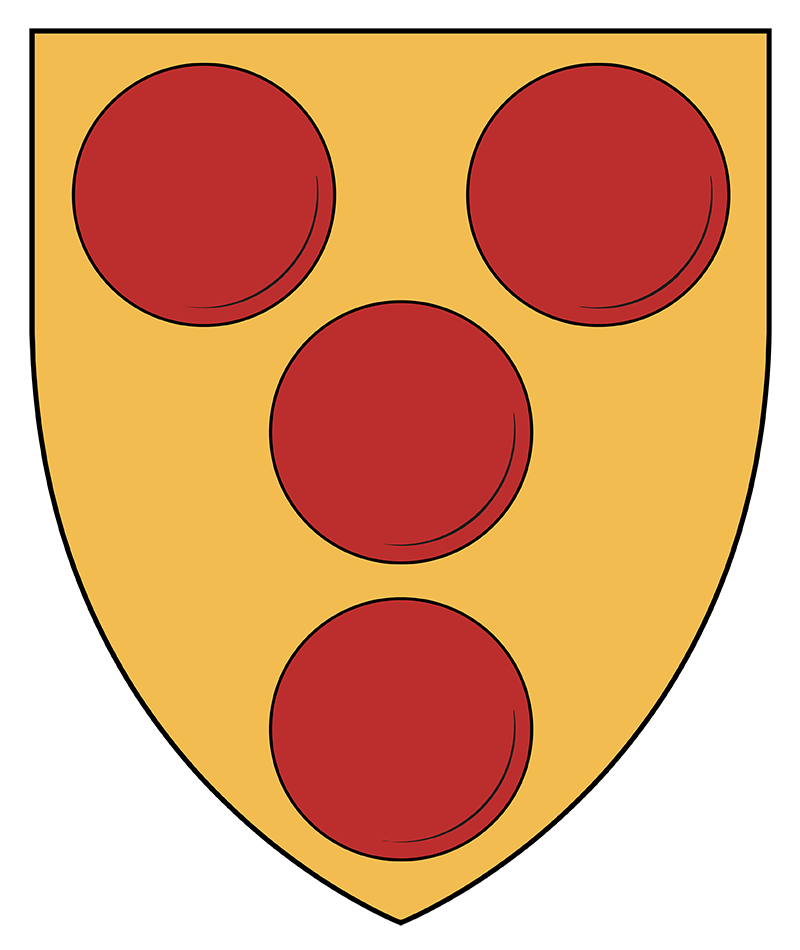
Kentish Revolt of 1067
Attack on Dover Castle
Background
William, Duke of Normandy, won the Battle of Hastings in October and was crowned King of England on Christmas Day, 1066. He confiscated land from the Anglo-Saxons who fought against him and redistributed it to his supporters.
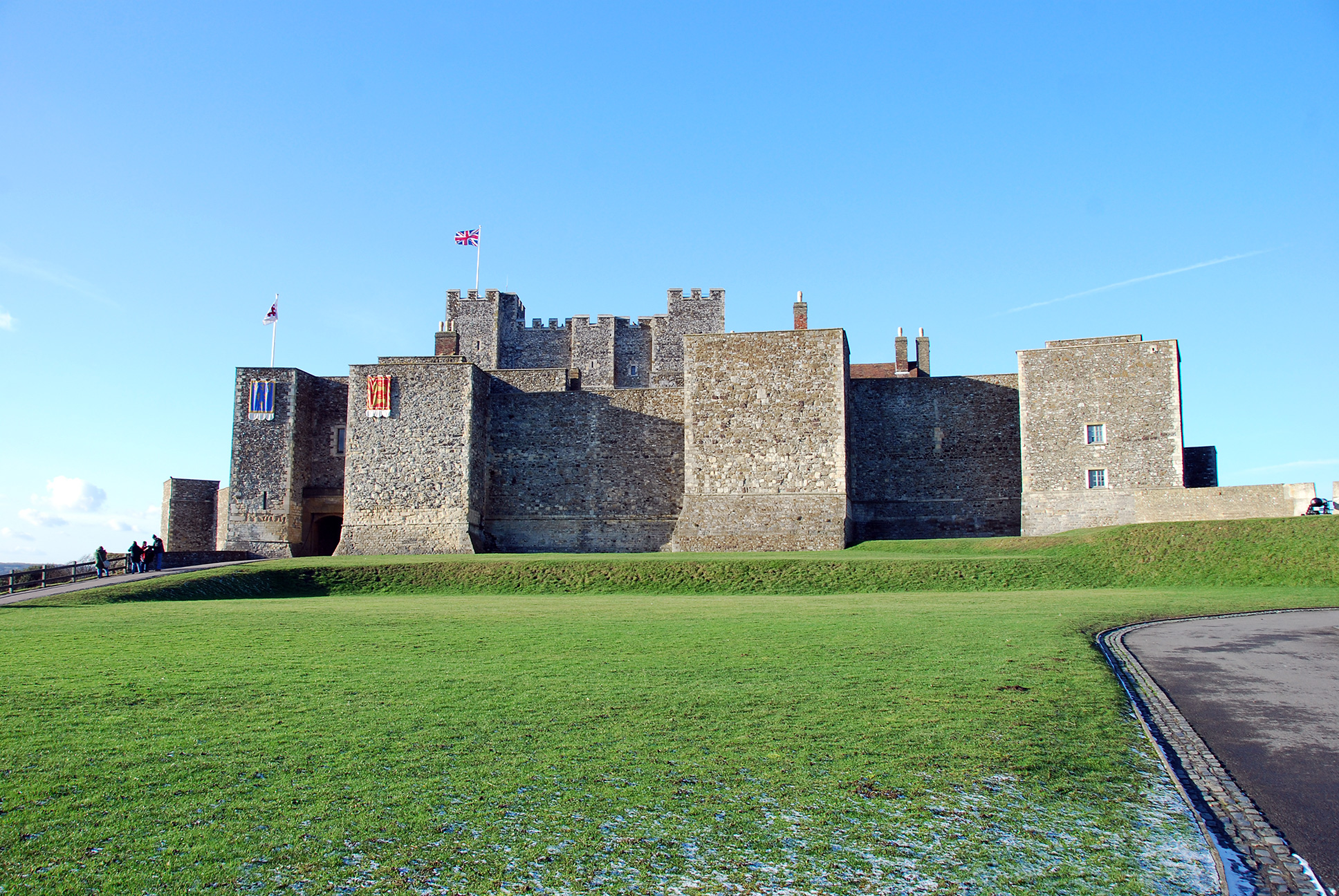
His primary benefactors were his half-brother Odo, Bishop of Bayeux; William FitzOsbern; and Eustace II, Count of Boulogne. Odo received the Earldom and county of Kent and established his base at Dover Castle. In early 1067, William left for Normandy, leaving Odo and FitzOsbern in charge of the government.
The people of Kent became discontented, especially near Dover. Seeking to remove Norman control, Kentish rebels secretly appealed to Eustace II. Though Eustace had fought alongside William at Hastings and received substantial lands for his support, he may have felt slighted, possibly over the extent of his rewards or loss of influence. Additionally, Eustace may have seen an opportunity to strengthen his own position in England and retaliate against William for perceived injustices.
The rebels of Kent saw Eustace as a preferable alternative to direct Norman rule, considering his military capability and familiarity. Baldwin V of Flanders, Eustace's overlord and William's father-in-law, died in September of 1067. This may have further freed Eustace from political constraints and encouraged him to join the Kentish rebels in challenging Odo of Bayeux at Dover, motivated by both personal ambitions and grievances against William.
Battle
In the autumn of 1067, Eustace and his knights crossed the Channel to join the Kentish rebels. Odo was away north of the River Thames, leaving Dover Castle with only a reduced garrison.
Eustace did not wait for additional support from the surrounding countryside to gather. Instead, he began a swift assault on Dover Castle. The small castle garrison was ready and repelled the attack. As the rebels began to retreat, Eustace's men heard Odo had returned with a large force, and panic spread quickly. Consequently, they fled down the steep, trackless cliffs, suffering heavy losses. Eustace was able to escape back to Boulogne, though one of his kinsmen was captured—possibly his nephew Geoffrey. As Orderic Vitalis tells us:
"the fugitives, imagining that the Bishop of Bayeux had arrived with a strong force, lost their heads, and in panic went rushing down the precipice of the trackless cliffs, to perish more shamefully through this shortcut than from the enemy's sword."
The Kentish rebels dispersed without realizing their goal of overthrowing Odo of Bayeux.
Aftermath
The uprising ended quickly; it had no lasting impact. As one of the first significant challenges to early Norman rule, the revolt demonstrated that even a depleted garrison could swiftly and effectively suppress dissent.
After returning to England in December of 1067, William continued consolidating power by building more castles and leading further campaigns.
William condemned Eustace to exile at his Christmas court in 1067 and confiscated Eustace's lands. However, the two later reconciled, and Eustace had his land restored.
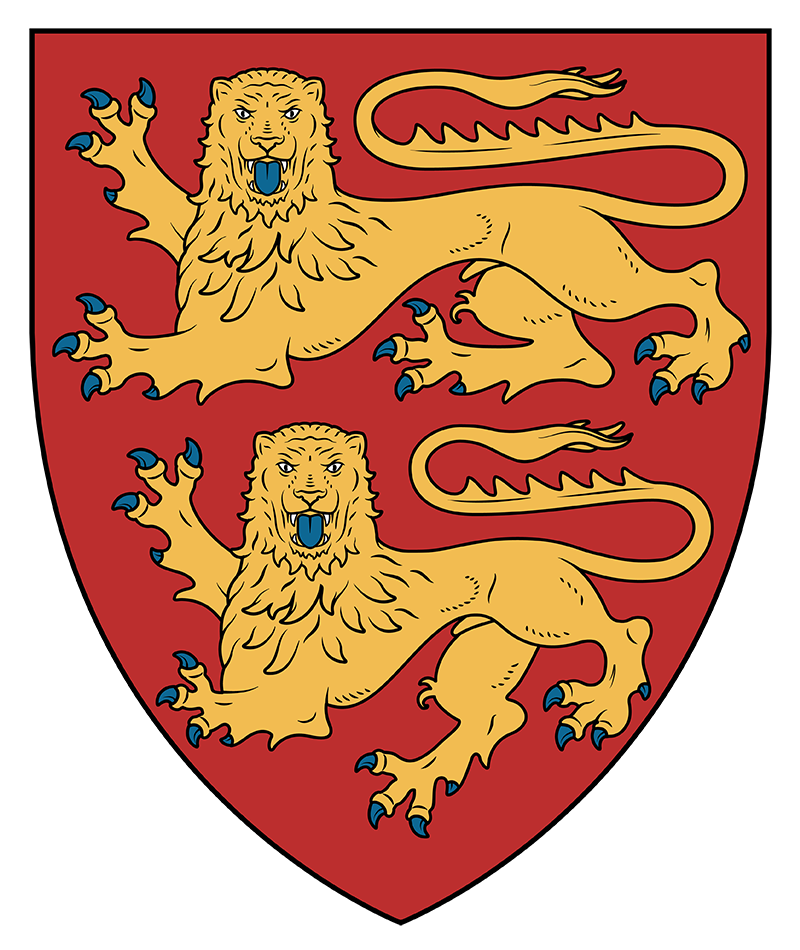
 Odo of Bayeux