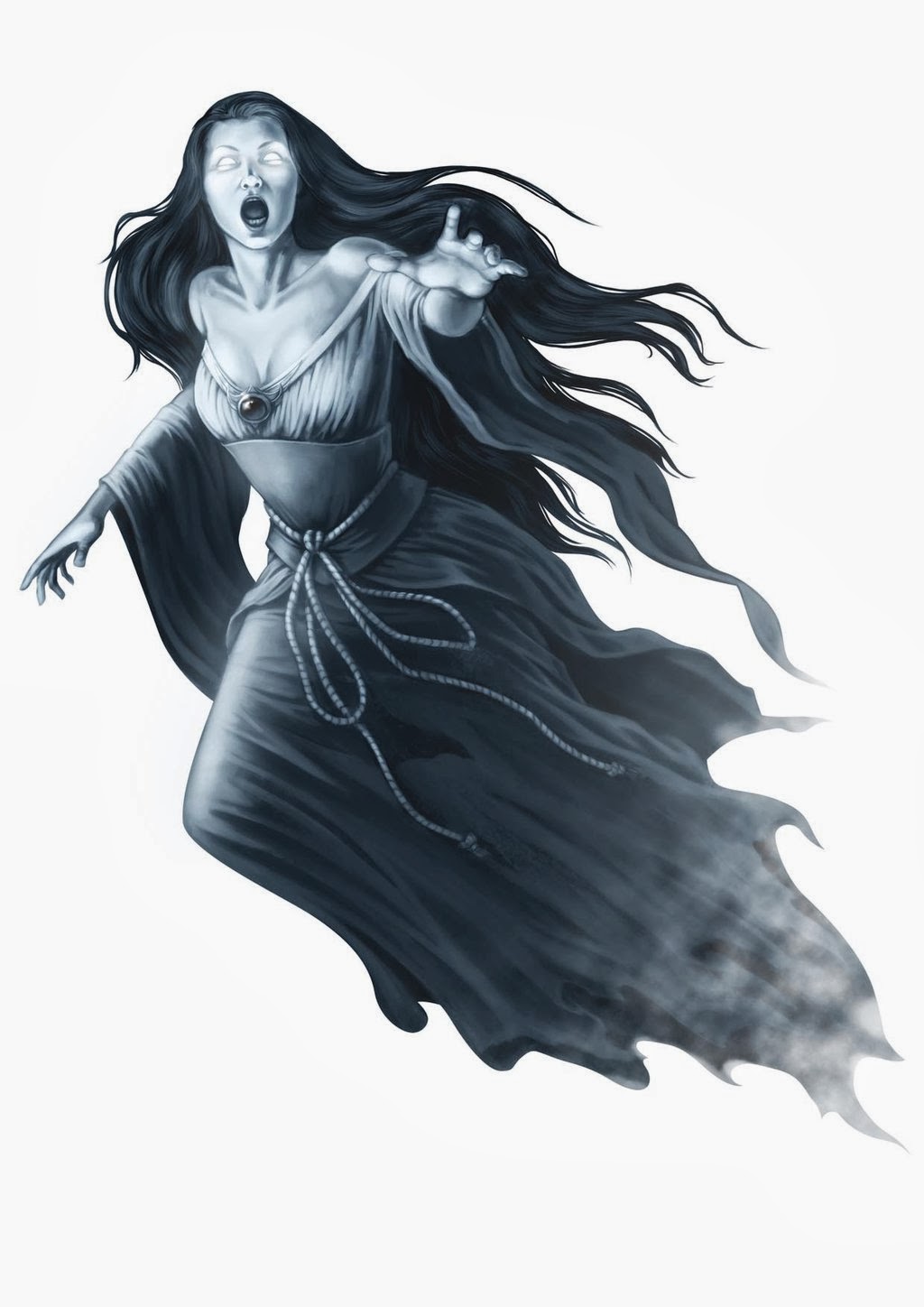
Blacksmith Ghost of Kildrummy Castle
Kildrummy Castle was built in the mid-13th century, likely by Gilbert de Moravia, St. Gilbert, Bishop of Caithness.
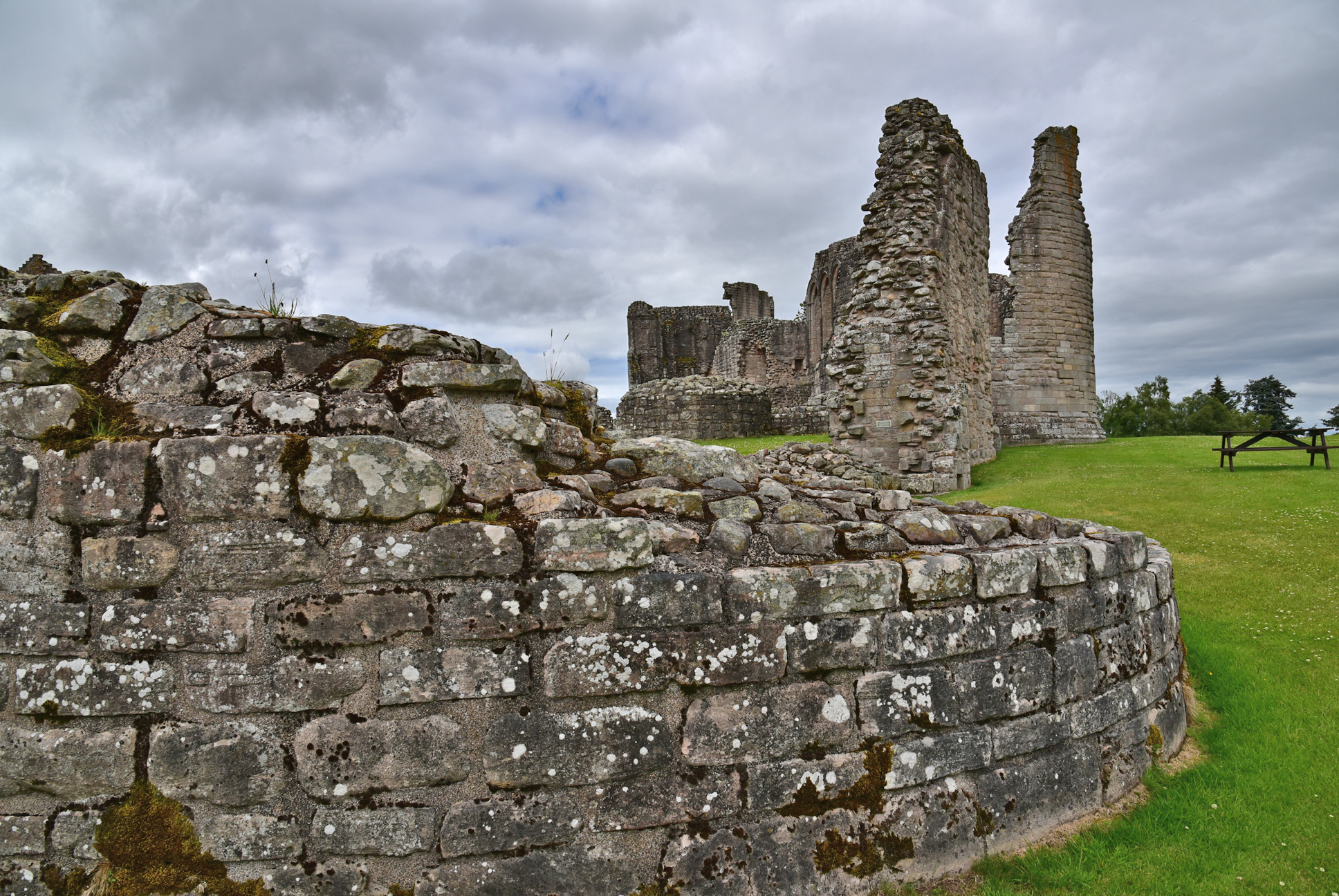
In 1306, during a siege by the English under Prince Edward, future King Edward II, Neil de Brus, brother of Robert the Bruce, defended the castle. A blacksmith named Osbourne betrayed it and set it on fire. The castle eventually fell to the English, and Neil de Brus and others were executed.
In 1335, the castle was besieged again by pro-English forces. Christina Bruce and her garrison held off the besiegers until her husband, Andrew Murray, relieved the castle.
After the Jacobite Rising of 1715, the castle declined. John Erskine, 6th Earl of Mar, was involved in the failed rising and was exiled as a result, and Kildrummy Castle was abandoned. The Snow Tower remained intact until 1805, when it collapsed.
But legends say that Osbourne, the blacksmith, still returns to Kildrummy Castle.
Osbourne was bribed by the English and allegedly set fire to the castle using a red-hot iron from the smithy, either in the great hall or in stored grain, depending on the story. This allowed the English to overcome the castle garrison. As a "reward", Osbourne was promised gold or silver. Instead, molten gold was poured down his throat, either by the English or by the Scots, upon discovering his betrayal. This gruesome death is sometimes depicted in local carvings or gargoyles at the castle, showing a face with a hand forcing the mouth open. The legend ties his death to the castle's eerie reputation.
Osbourne's restless spirit is said to roam the castle ruins, perhaps repenting his actions or tied to the site of his death. Visitors sometimes report an eerie presence, footsteps, or an uneasy atmosphere at the ruins.