Robert FitzRoger - Lord of Warkworth
Robert de Clavering
Robert FitzRoger was an English Nobleman, Lord of Warkworth, and Baron of Blythburgh who fought for Edward I during the First War of Scottish Independence.
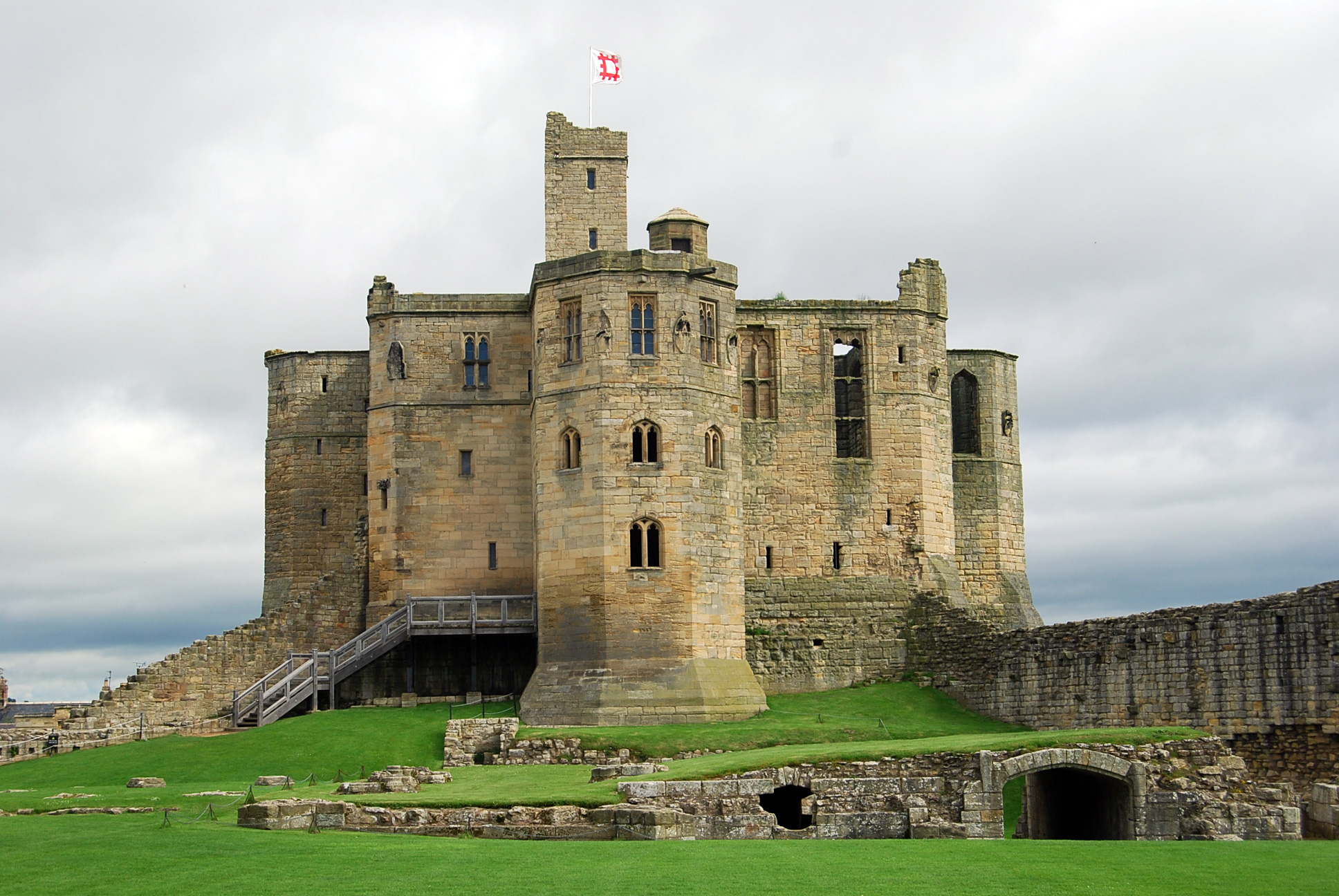
Robert was the son of Roger FitzJohn, Lord of Warkworth, and Isabel de Dunbar. He was born around 1247, likely in either Warkworth Castle or Clavering in Essex.
His father, Roger, died in 1249, when Robert was still an infant. William de Valence, Earl of Pembroke, was appointed guardian, despite Ada de Balliol, Robert's grandmother, offering to purchase the guardianship. Robert came of age around 1268 and inherited his father's title and lands, including Warkworth Castle in Northumberland. Through his mother, he gained the barony of Blythburgh.
Around 1265, Robert married Margaret de la Zouche, daughter of Alan de la Zouche, Baron of Ashby. Robert and Margaret had ten children together: John, Euphemia, Elizabeth, Robert, Alexander, Henry, Roger, Alan, Edmund, and Ellen.
Robert began his life as a soldier, fulfilling his feudal obligations by fighting in Wales in 1277 after Llywelyn ap Gruffudd refused to pay homage to Edward I, and again between 1282 and 1283, which ended Welsh independence.
From 1295 to 1309, he was summoned to Parliament by writ as Lord FitzRoger, reflecting his status as baron. He also served as the King's Lieutenant in Northumberland, enforcing judicial authority.
Robert was again summoned for knightly duty against the Scots during the First War of Scottish Independence. He was captured at the Battle of Stirling Bridge in 1297 and later served as joint Captain of the Scotch Marches in November that year after his ransom was secured.
In July 1298, Robert fought with his son, John de Clavering, at the Battle of Falkirk, where the English defeated the Scots under William Wallace, and at the Siege of Caerlaverock Castle in 1300.
In 1301, Robert signed the Barons' Letter addressed to Pope Boniface VIII, supporting Edward I's claim to feudal ownership of Scotland.
In 1306, Robert fought at the Battle of Methven, where the English launched a surprise night attack against the Scots.
On March 16th, 1310, Robert was appointed one of the twenty-one Lords Ordainers tasked with reforming Edward II's governance amid the barons' discontent with Edward's royal favorites, such as Piers Gaveston.
Robert FitzRoger died shortly before April 29th, 1310, likely of natural causes, after a writ for an inquisition post mortem was issued that day to determine his heir and the extent of his holdings. It was determined that his son, John de Clavering, was the rightful heir and succeeded Robert as First Baron Clavering. No records show where Robert FitzRoger was buried.
