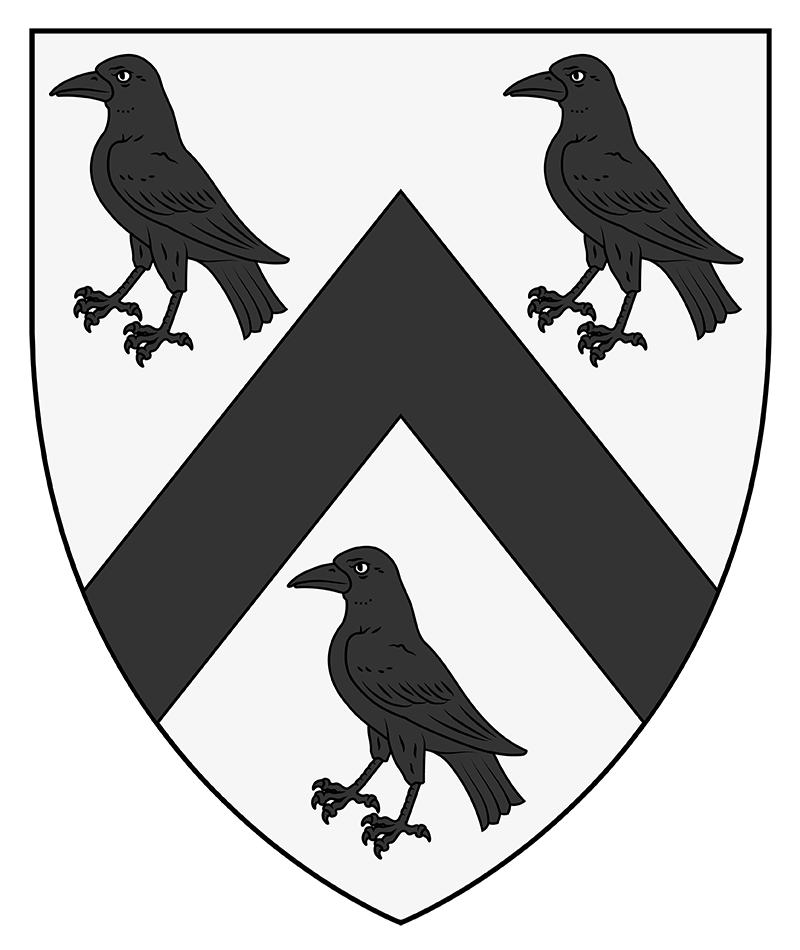
Thomas de Rokeby - High Sheriff of Yorkshire
Thomas Rokeby was a 15th century English Nobleman, Knight of the Shire, and High Sheriff of Yorkshire, remembered for his military and political service, including his victory at the Battle of Bramham Moor.
Thomas was born around 1360, likely in Rokeby, County Durham, England. He came from a well-known family whose seat was Mortham Tower, on the banks of the River Tees. His father was also named Thomas, as was an earlier relative who had been Justiciar of Ireland. His mother's name is lost to time.
In 1405, he served as High Sheriff of Northumberland. He was called to Parliament as Knight of the Shire for Yorkshire in 1406 and served as High Sheriff of Yorkshire in 1407 and 1411.
During Thomas de Rokeby's first term as High Sheriff of Yorkshire, Henry Percy, 1st Earl of Northumberland, marched into Yorkshire against King Henry IV of England in January 1408. Percy and his men advanced south to Grimbald Bridge, near Knaresborough, but Thomas successfully held the crossing over the River Nidd, forcing Percy to retreat toward Tadcaster.
On February 19th, 1408, the two sides met again at the Battle of Bramham Moor, south of Wetherby, where Thomas was victorious, inflicting a crushing defeat on Percy's forces. Henry Percy was killed in a furious rearguard action. His body was then hanged, drawn, and quartered, and his head dispatched for public display on London Bridge.
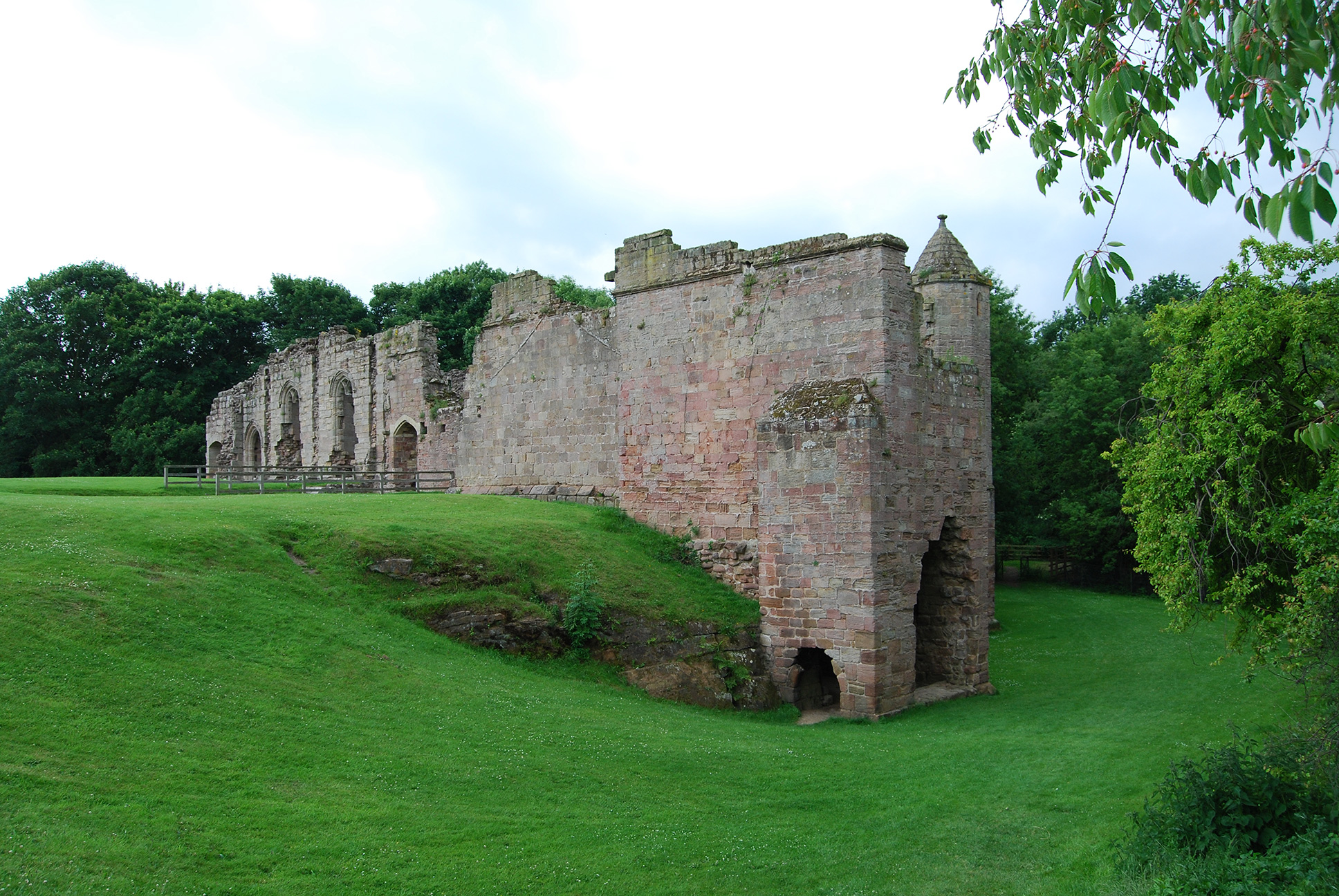
King Henry IV rewarded Thomas by granting him Henry Percy's estate in Spofforth, which included Spofforth Castle.
By 1410, Thomas had married a daughter of Sir Ralph Eure, with whom he had three children: Ralph, Alexander, and Agnes.
In 1415, he served in the army of King Henry V and fought in Henry's French campaigns, including the Battle of Agincourt. He was also present for most of the Siege of Rouen from 1418 to 1419 and marched through Paris in triumph in 1420 with Henry V.
He was re-elected as MP for Yorkshire in 1423.
The date and cause of Thomas of Rokeby's death are not recorded. He seems to have survived to witness deeds at Newsome in 1427 and Great Burton nine years later, but he disappears from historical records thereafter.