Ghosts of Whittington Castle
Whittington Castle began as a motte-and-bailey castle after the Norman Conquest of 1066, built to secure the Welsh border. The first record of the castle dates to 1138, when William Peverel fortified it for Empress Matilda against King Stephen during the Anarchy.

Henry II granted the castle to Roger de Powys, before Fulk FitzWarin secured possession of the castle in 1204. FitzWarins held the castle for generations. In 1221, Fulk FitzWarin received a license to crenelate. The Welsh destroyed the castle, and FitzWarin soon after rebuilt it in stone.
Though a ruin today, the castle is alive with ghostly spirits from the past.
A hooded figure is often reported standing under the main gateway. A phantom blacksmith in a leather apron is seen in the courtyard and ruins, and sometimes visitors hear the sound of a hammer striking iron.
In the library area, which contains a medieval well under glass, the spirit of a young boy dressed in 18th century clothing has been seen passing through walls. Visitors have also felt trepidation, seeing strange lights and noises coming from the guard room and a man on horseback in the castle grounds.
The most interesting spirits are two children, tied to the legend of a cursed chest.
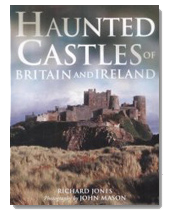
As Richard tells the story ...
The charming village of Whittington, with its quaintly archaic houses and rustic pubs, possesses the ambiance of a bygone age. Its centerpiece is undoubtedly the romantic and strikingly beautiful ruin of Whittington Castle, which dates from the 12th century and is the subject of a unique experiment. In 1998, the villagers, concerned about the castle's future, formed a charitable trust to purchase the site and preserve it for the enjoyment and benefit of future generations. Thanks to their dedication, the castle's future is now assured, and it is possible to make your way to this peaceful, unspoiled part of rural Shropshire to immerse yourself in the legends and history of a truly magical place.
William Peverel built the Norman motte-and-bailey castle. As he had no sons, his eldest daughter, Mellet, was destined to inherit the estate. To ensure that she married a man who would be worthy of such an heirloom, Peverel ordered that a great tournament be held. The victor would win his daughter's hand, along with ownership of the castle. Warin de Metz of Lorraine beat off fierce competition to take the prize and became the founding father of a dynasty of FitzWarins that held the castle for several centuries. In 1222, the family rebuilt the castle in stone, and much of what survives today dates from this period.
Only two of its original seven magnificent towers survive. Yet these two graceful towers, whose pale images flicker in the tranquil waters of the moat, possess a haunted feel, and occasionally the sorrowful faces of two ghostly children have been seen, peering from the tiny slit windows. No one knows their identity, but there is a general consensus that they may be linked to one of the castle's more chilling and enigmatic furnishings - the cursed chest. This impressive Elizabethan casket, weighing a hefty 1,000 pounds (0.5 ton), is of unknown origin. It has been rumored that should the casket ever be opened, the heir to the Whittington estate will be in agony. It is suggested that the childish shades might be long-ago heirs who had the misfortune to live at a time when the true virulence of the curse was unrealized. Certainly no one in recent centuries has dared unleash whatever force is lurking within the chest. Such is its fearsome reputation that it was kept hidden for many years, the key thrown into the moat to prevent a chance opening. Recently, it was removed from the castle, ostensibly for safekeeping!
- Richard Jones