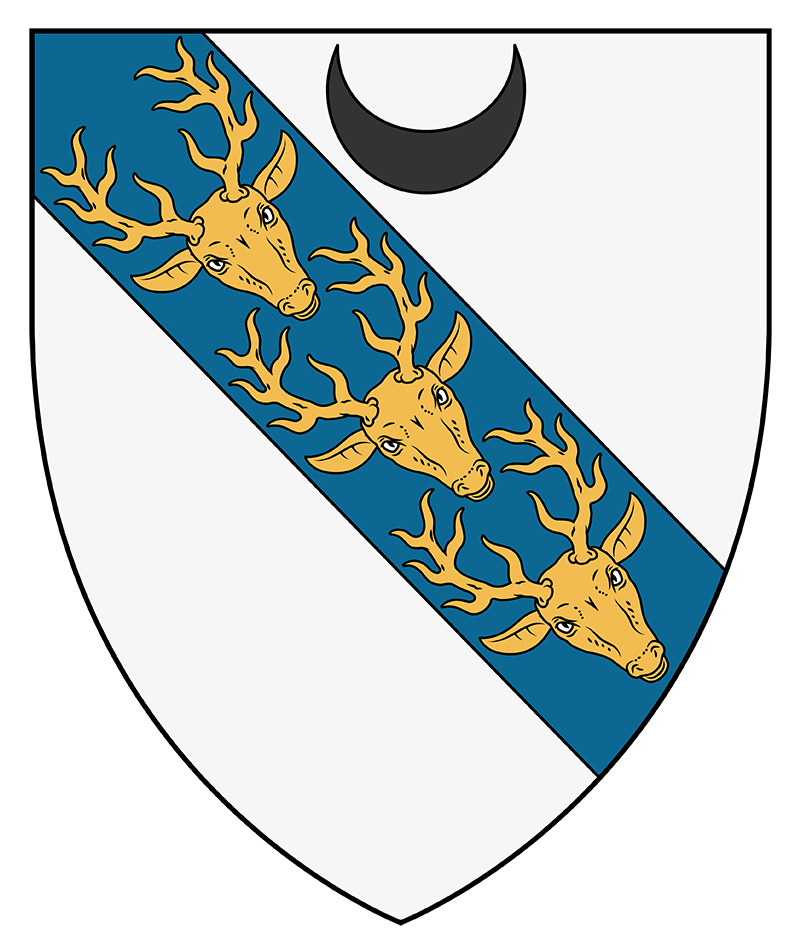
Sir William Stanley
William Stanley was an English knight and prominent figure in the Wars of the Roses, renowned for his pivotal support of Henry Tudor at the Battle of Bosworth Field and, later, for his execution for treason.

William Stanley was born around 1435 in Lathom, Lancashire, England. He was the son of Thomas Stanley, 1st Baron Stanley, and Joan Goushill. He was also the brother of Thomas Stanley, 1st Earl of Derby.
In September of 1459, William fought for the Yorkists at the Battle of Blore Heath. After being attainted that year, he fled into exile but returned to join the Yorkists at the Battle of Towton in 1461. Later, Edward IV appointed him Chamberlain of Chester and Constable of Flint Castle.
In 1465, having supported the victors, he was granted lands in Skipton, including Skipton Castle. These properties had previously belonged to the dispossessed Cliffords, followers of the Lancastrians. Also in 1465, William married Joan Beaumont, daughter of John Beaumont, 1st Viscount Beaumont. They had three children: William, Joan, and Catherine.
Around 1471, William married again, this time to Elizabeth Hopton, daughter of Thomas Hopton. They had one child together, Jane.
In 1471, following the Battle of Tewkesbury, he captured Queen Margaret of Anjou, who led the Lancastrian faction, and was made a Knight Banneret by Edward IV.
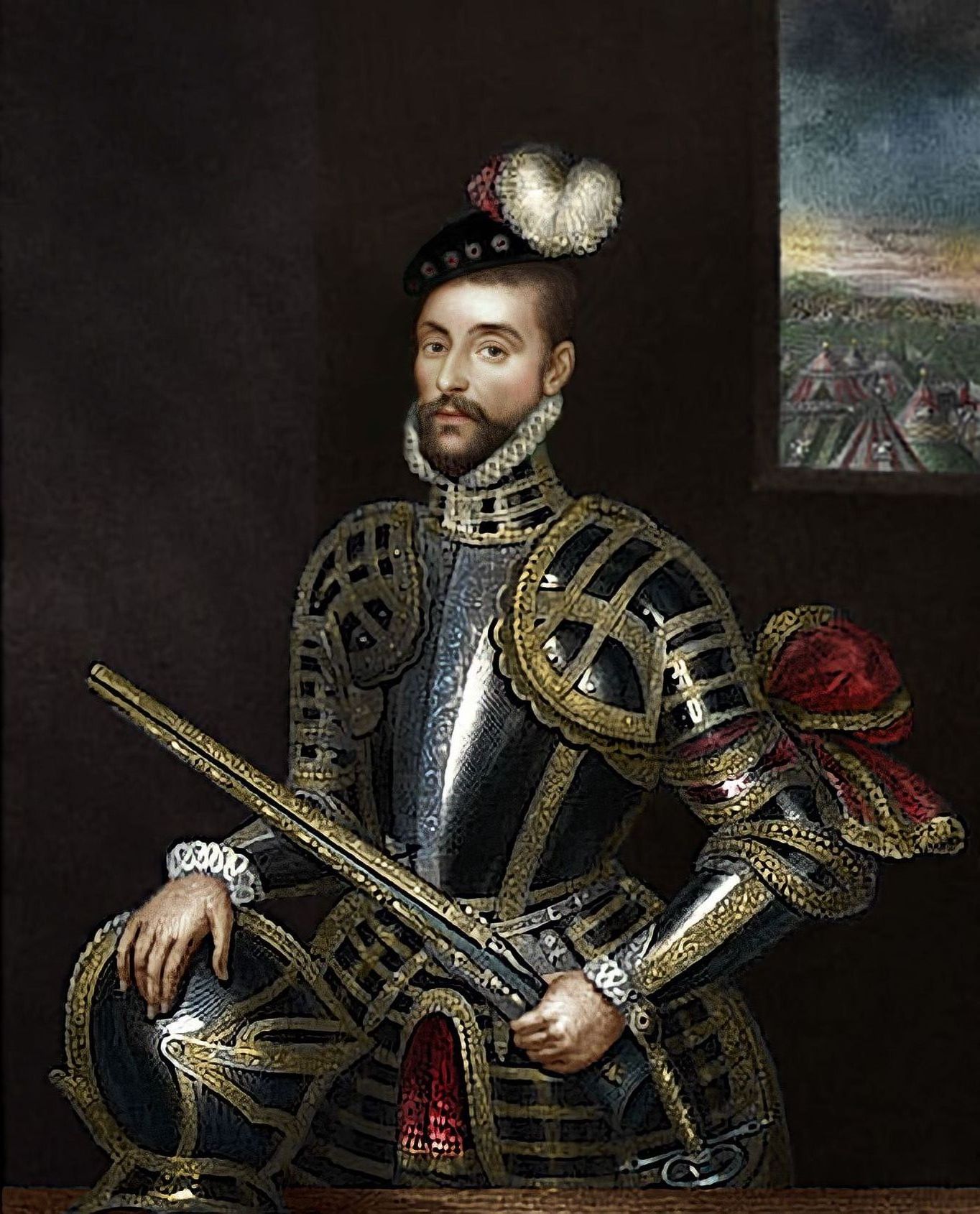
In 1483, shortly after Richard III was crowned King of England, William was appointed Chief Justice of North Wales and granted land there.
In August 1485, William Stanley changed sides, suddenly supporting the Lancastrian Henry Tudor in his bid for the throne. On August 22nd, at the Battle of Bosworth Field, William Stanley and his men decisively attacked Richard III's forces during a critical stage of the battle, helping secure Henry's victory. Meanwhile, William's brother Thomas was also present, but did not commit his men to either side because Richard held his son hostage. In gratitude, Henry made William Stanley Lord Chamberlain and Chamberlain of the Exchequer.
But, on February 6th and 7th of 1495, William Stanley was convicted of treason for supporting the pretender Perkin Warbeck's claim to the throne. The evidence against William was circumstantial, but he admitted the offense, in hopes that through a confession, he would escape execution. King Henry VII was inclined to spare William's life at first, but feared that by showing clemency, it would encourage other conspirators against him, so William was sentenced to death. His brother Thomas presided over the trial and proceedings.
William Stanley was executed by beheading on Tower Hill, beside the Tower of London, on February 16th, 1495. His estates were confiscated, and he was interred at Syon Abbey.