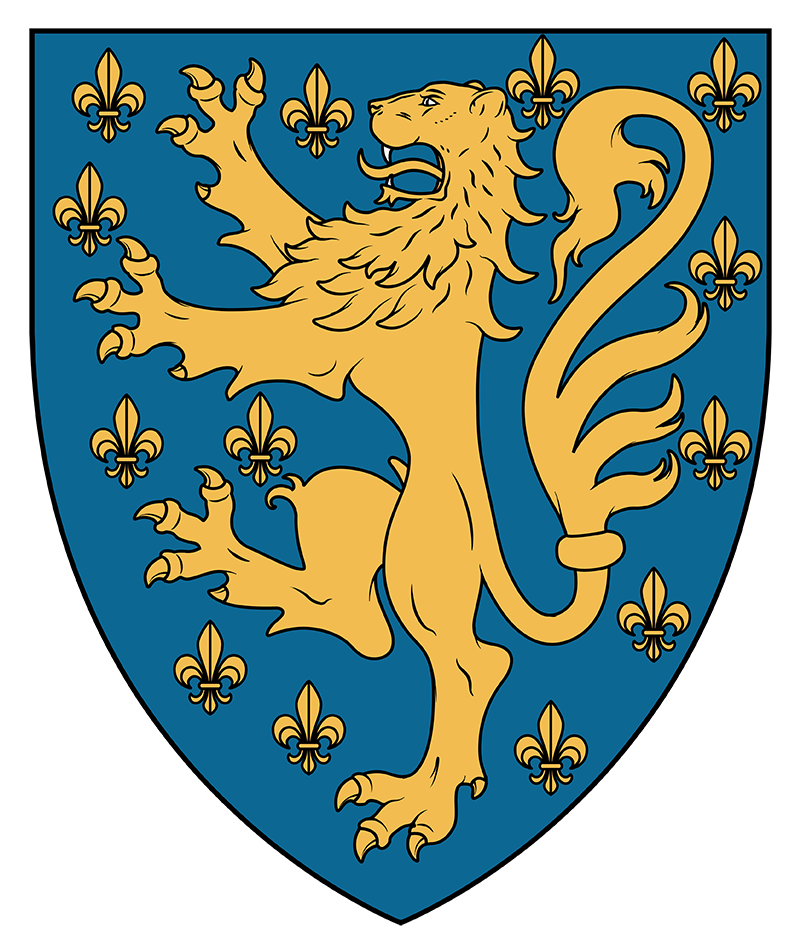
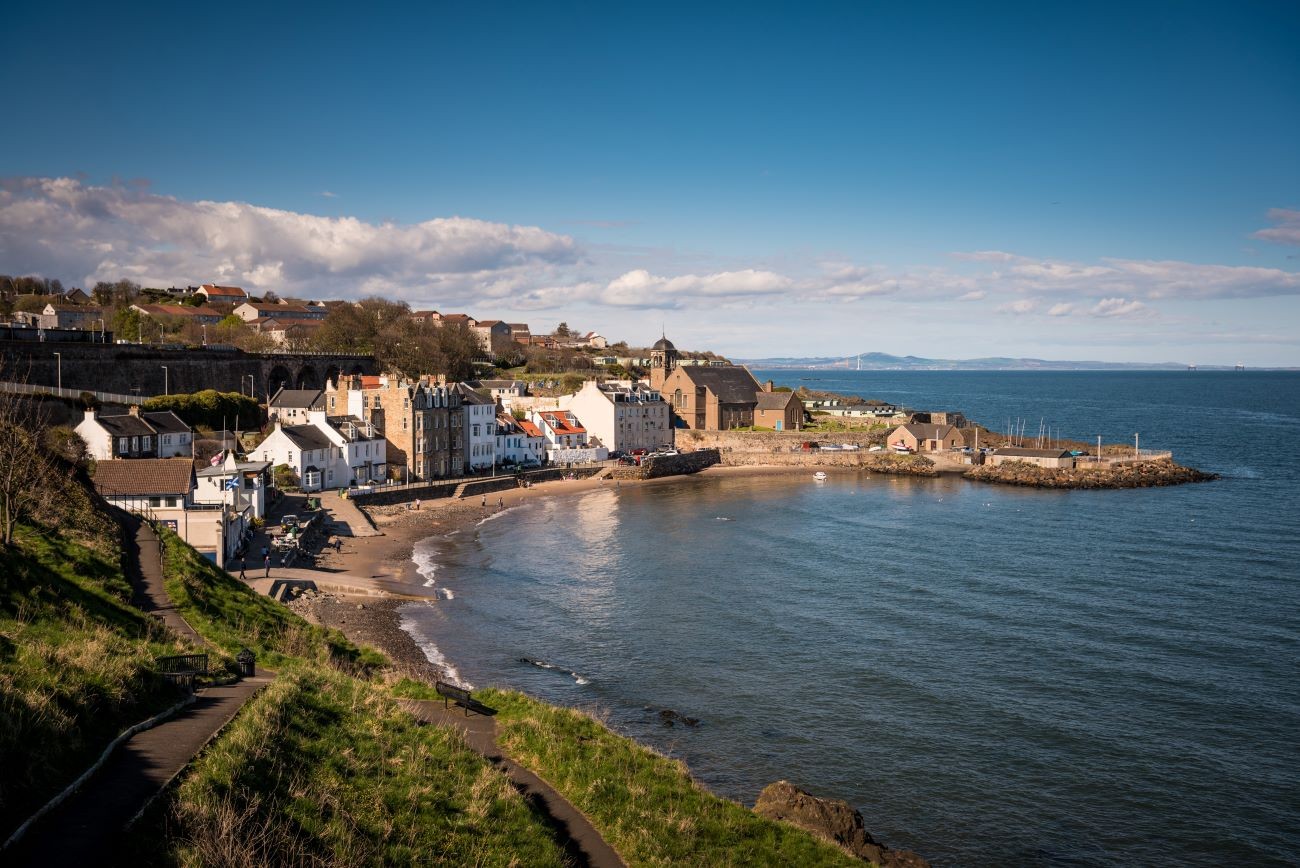
Battle of Kinghorn
Battle of Wester Kinghorn
Background
In 1328, the Treaty of Edinburgh-Northampton between England and Scotland was signed, recognizing Scotland as fully independent and Robert the Bruce as its rightful ruler. Because some Scottish nobles refused to swear fealty to the Bruce, they were disinherited. They then left Scotland to join forces with Edward Balliol, son of King John Balliol, whom King Edward I of England had deposed in 1296.
Robert the Bruce died in 1329, and his son, David II, became King at the age of just five. In 1331, the disinherited Scottish Noblemen gathered in Yorkshire under Edward Balliol and Henry Beaumont, 4th Earl of Buchan, and plotted to invade Scotland and take back the crown.
King Edward III of England knew of this plot, officially forbade it while privately supporting it, and insisted that Scotland not be invaded overland from England.
Edward Balliol's forces of 1,500 then sailed from ports in Yorkshire on July 31st, 1332, heading for Scotland by sea.
Scotland was also aware and waiting for Balliol. David II's regent, Thomas Randolph, 1st Earl of Moray, had prepared for the invasion but died ten days before the forces set sail.
Scotland selected Domhnall II, Earl of Mar, as the new regent and divided its army. Domhnall, commanded part of the army north of the Firth of Forth, while Patrick de Dunbar, Earl of March, commanded south of the Firth of Forth. Balliol had been in contact with Domhnall and hoped he would desert to his side along with his troops, so he decided to land his forces at Wester Kinghorn on the northern shores of the firth on August 6th, 1332.
Battle
As Edward Balliol's forces were disembarking, they were confronted by a large Scottish force of at least 4,000 under Duncan IV, Earl of Fife, and Robert Bruce, Lord of Liddesdale and illegitimate son of Robert the Bruce.
The Scots attacked the Balliol forces while they were still on the beach, but were driven away by volleys of arrows from English crossbowmen and then the supporting infantrymen before Edward Balliol and Beaumont's men-at-arms could even get to shore.
Aftermath
The Scots suffered heavy losses, including Alexander Seton and five or six other nobles, during the battle. The Earl of Mar withdrew to Perth.
It was a quick victory for Balliol, who was able to get his forces into Scotland at Kinghorn and then march to Dunfermline, where they looted a Scottish armory. In less than a week, they would meet the Scots in battle again at the Battle of Duplin Moor. The Second War of Scottish Independence had begun.
The Battle of Kinghorn demonstrated the effectiveness of a well-prepared, smaller invading force against local defenders.