Burnt Candlemas (1356)
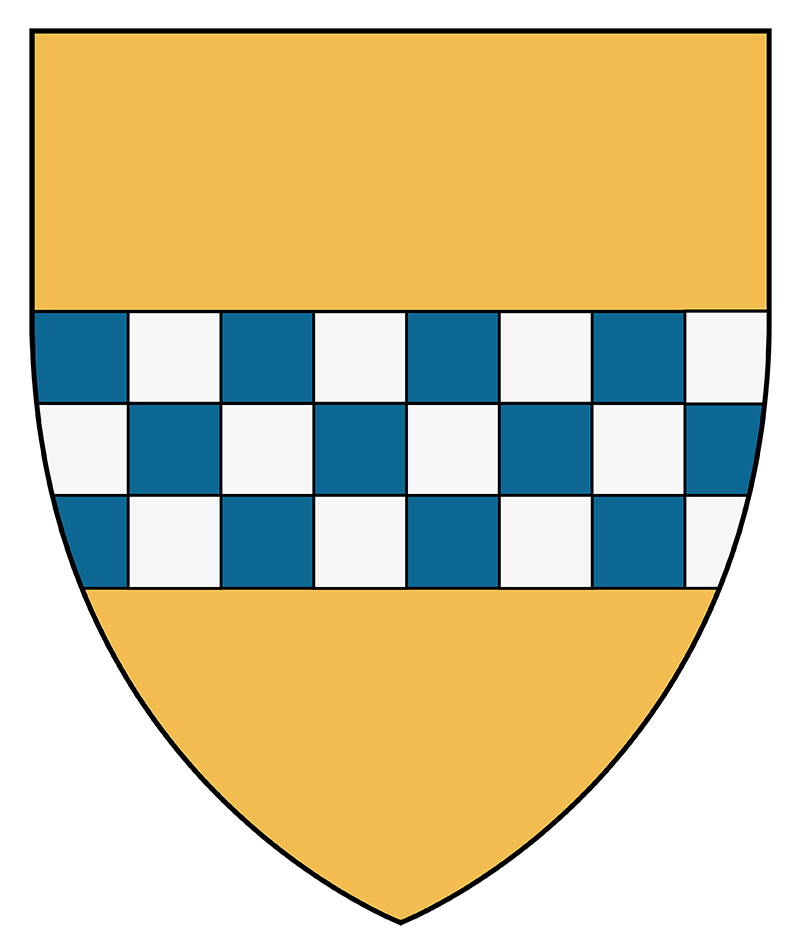
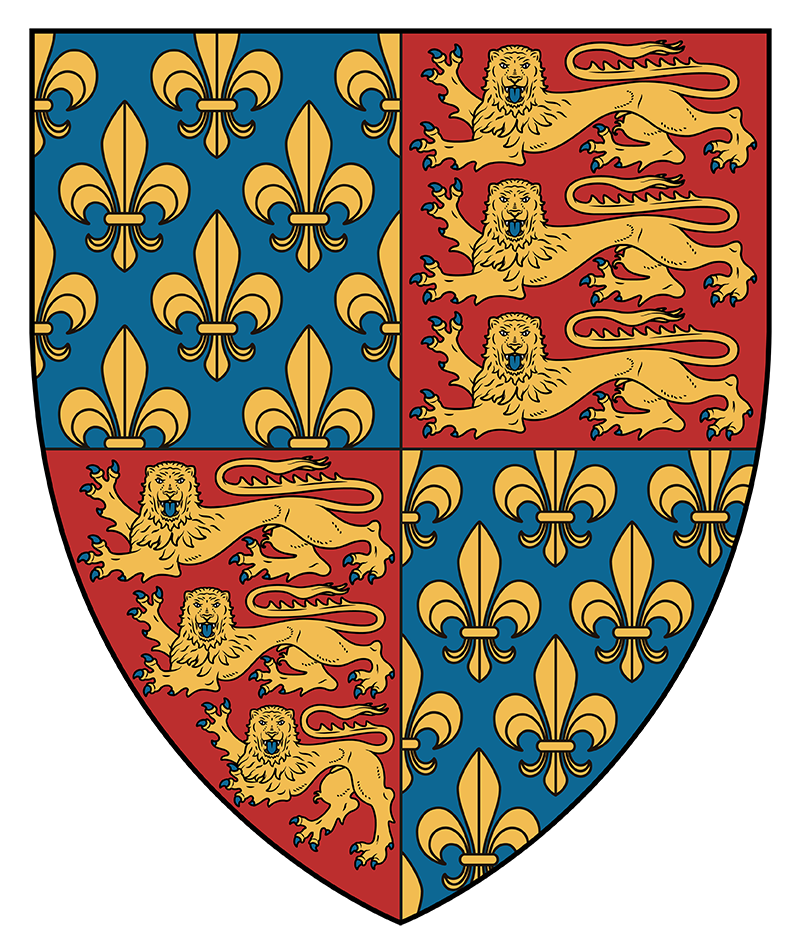
Edward III and William Douglas
Background
Burnt Candlemas was the name the Scots gave to Edward III's invasion of Lothian in the winter of 1356. It was the last campaign of the Second War of Scottish Independence, and it failed. Edward devastated a wide belt of the Lowlands and burned much of Edinburgh and Haddington, but he found little food, he could not bring on a battle, and a storm wrecked his supply fleet, so he had to retreat without reaching Perth.

Edinburgh Castle. Edward III burned much of the town below it in February 1356.
The campaign came straight out of the events at Berwick. In 1355, the Scots broke a truce, won at Nesbit Moor, and took the town of Berwick, and Edward III hurried home from France. On January 13th, 1356, the Scots handed Berwick back to him at the end of the sieges of Berwick. David II had been a prisoner in England since Neville's Cross in 1346, and Edward decided to punish the Scots.
The Invasion
Edward moved up the Tweed to Roxburgh. There, on January 20th, Edward Balliol gave up his claim to the Scottish crown in return for a generous pension, and the historian Clifford Rogers suggests that Edward wanted to pressure David II over his ransom. The Scots were not impressed. The English army set out for Edinburgh on January 26th. It was described as a very large host and may have numbered about 13,000, and it advanced in three columns, leaving devastation 50 to 60 miles wide, much of it on the estates of Patrick Dunbar, Earl of March.

The Scots refused battle. They burned or carried off the food and drove the people away from the English line of march, so the English soldiers found almost nothing to eat, and some were reduced to drinking water. In early February, Edward had much of Edinburgh burned, and he made his camp to the east at Haddington, where the army could be supplied by sea. The Scottish chronicler John of Fordun reported that Edward intended to devastate Scotland utterly.

Edward planned to march on Perth through Stirling, and he may have hoped to be crowned at Scone, the traditional coronation place. For that, he needed his supply fleet, but north winds kept the ships from sailing, and he waited at Haddington for about ten days. During that wait, Lothian was ravaged so thoroughly that the Scots called it Burnt Candlemas, after the custom of taking candles to church on February 2nd to be blessed. The town of Haddington was sacked, and Edward's forces burned its Franciscan friary church (Greyfriars) during the ten-day stay. Its choir was famous for the quality of its light and was already known as the "Lamp of Lothian" (Lucerna Laudoniae). The present St Mary's Collegiate Church, the longest parish church in Scotland, was begun later in the 14th century, around 1375 to 1380, and the nickname eventually passed to it. In mid-February, the wind turned into a winter gale, which scattered the supply fleet and sank several ships. Without supplies, Edward gave up the march on Perth.
The Retreat
The English army withdrew to the southwest through country that had not been laid waste, and it kept burning as far south as Melrose. Scottish forces under William Douglas, Lord of Douglas, harried the retreat, attacking foragers, stragglers, and detachments, and the winter weather and the lack of food cost the English more men. The army reached Carlisle in late February and was disbanded there.
Aftermath

With the English army gone, the Scots retook the English-held castles of Caerlaverock and Dalswinton by storm, and Galloway accepted the authority of the Scottish crown again. A new partial truce was agreed on April 18th, 1356. The English victory at Poitiers in September 1356 left France unable to help the Scots, and the Treaty of Berwick in 1357 released David II for a ransom of 100,000 marks, to be paid over ten years on June 24th each year. The Scots could not bear arms against Edward III or his men during that time, and the treaty, which was really a long truce, kept the border quiet for about three decades and effectively ended the Second War of Scottish Independence.