Burg Frankenstein
History
Burg Frankenstein is a hilltop castle perched on the Odenwald mountains overlooking Darmstadt, in Hesse, Germany. Its name means “Stone of Franks,” referring to the Germanic tribe that once ruled the region.

The castle was built before 1250 by Lord Conrad II Reiz (or Reinhard) of Breuberg. He later adopted the name von und zu Frankenstein. The castle was first mentioned in 1252 in a document naming Lord Conrad as its owner. Conrad founded the free imperial Barony of Frankenstein. This was a domain with its own sovereignty across Hesse and the Wetterau.
In the 13th century, the castle was expanded with an inner bailey housing the lord's residence, chapel, and tower. The Frankensteins formed an alliance with the Counts of Katzenelnbogen in 1292.
In the 14th century, the castle spread outward, gaining a bustling outer bailey filled with farm buildings and servant quarters. By 1363, the fortress was split between two branches of the Frankensteins.
At the beginning of the 15th century, the castle was enlarged, and the Frankenstein knights became independent of the Counts of Katzenelnbogen.
The Frankensteins were devout Catholics and resisted the Protestant Reformation. They were often at odds with the Landgraviate of Hesse-Darmstadt over religious rights. In 1662, Lord John I sold the castle and lordship to his rival, Landgrave Louis VI of Hesse-Darmstadt. The family moved to a smaller domain in Ullstadt, where their descendants still reside.
In the 18th century, the castle was reused as a barracks for retired soldiers. It was later a hospice for disabled soldiers and the elderly. It was restored as a tourist attraction in the 19th century. Towers and buildings were added in the mid-1800s.
In 1818, the castle's name became famous when Mary Shelley published the novel "Frankenstein". She may have seen the castle from nearby Gernsheim. After World War II, a U.S. Forces network broadcast from the castle on Halloween night in 1952. They claimed it was "the real home of the monster" and that the monster would return that night. This broadcast sparked a Halloween tradition that has continued since 1976.
Some historic buildings were demolished in the 1980s to make room for a restaurant. The castle is now owned by the State of Hesse. It is undergoing renovations to restore its medieval character.
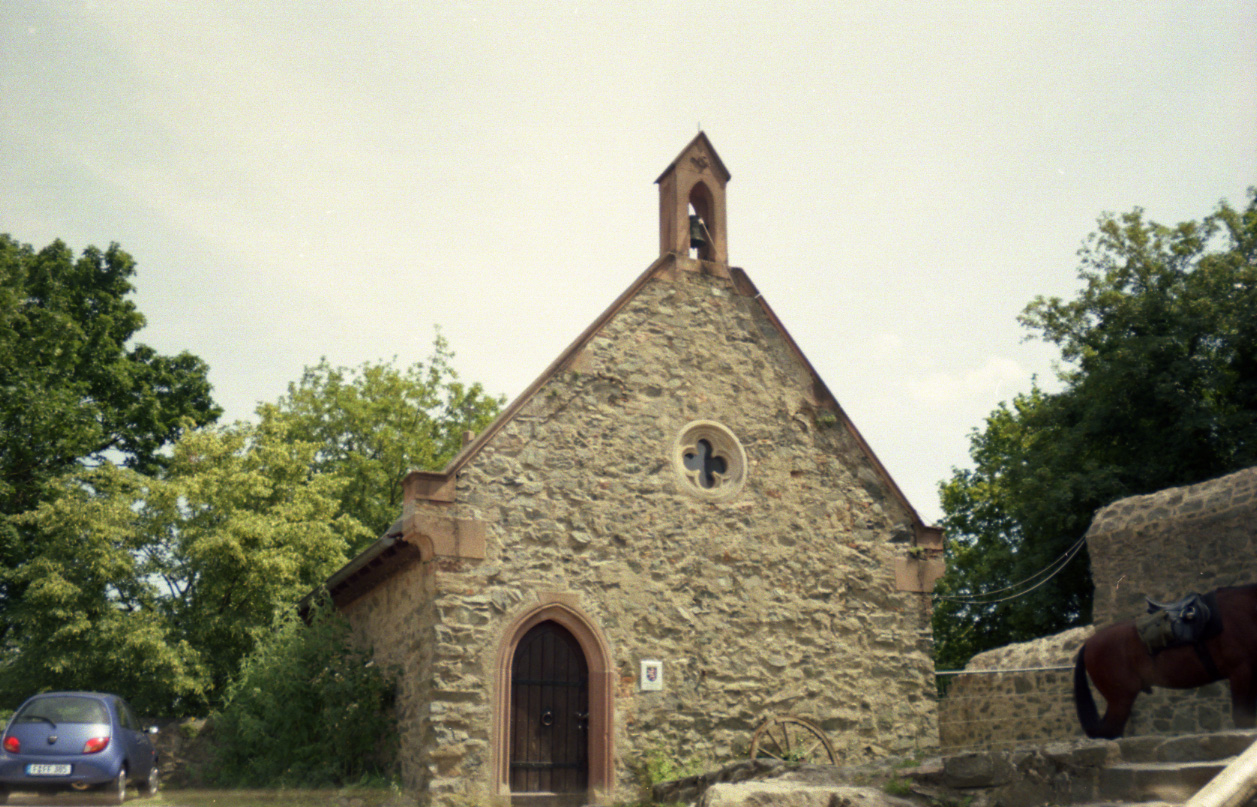
The castle chapel is still in use today, serving as a registry office where civil wedding ceremonies are held.
Castle Highlights
If you are planning a visit, Burg Frankenstein is especially lively around Halloween, when an admission fee is charged. The rest of the year, you can freely explore the castle grounds and enjoy the ruins at your own pace.
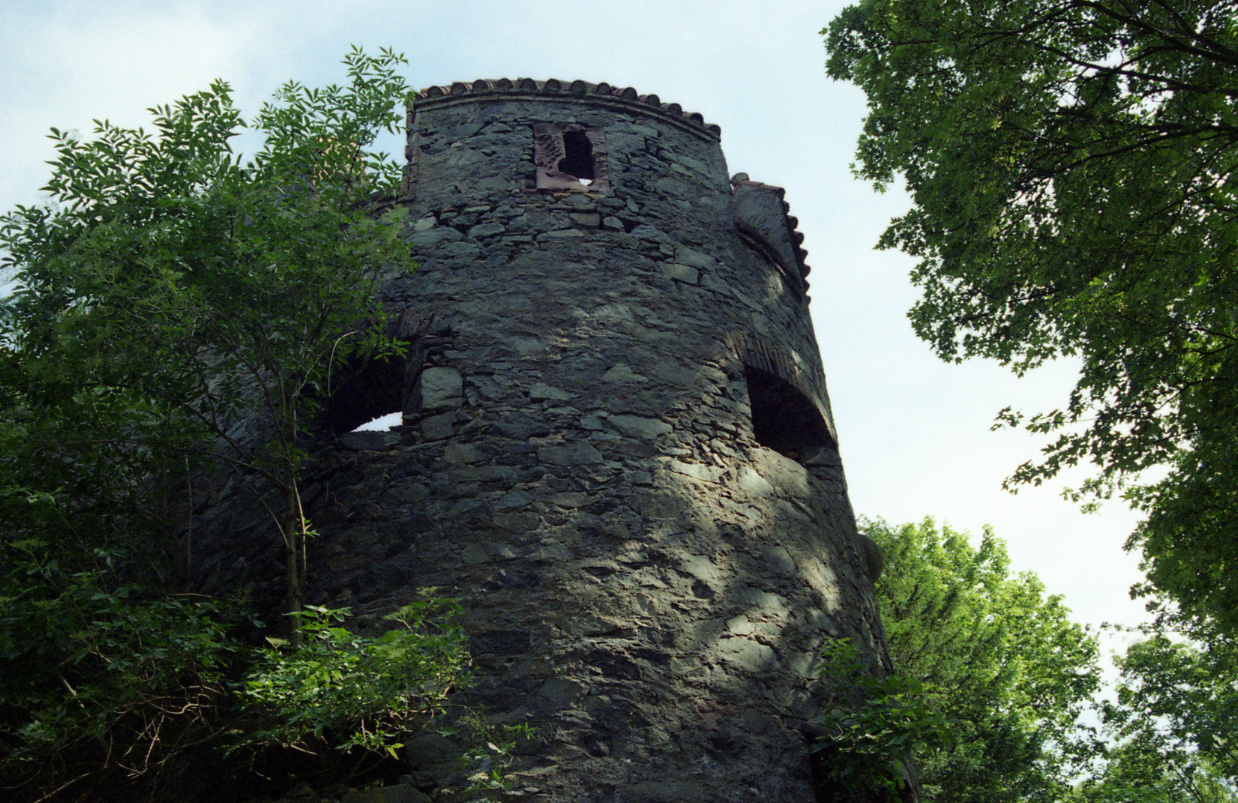
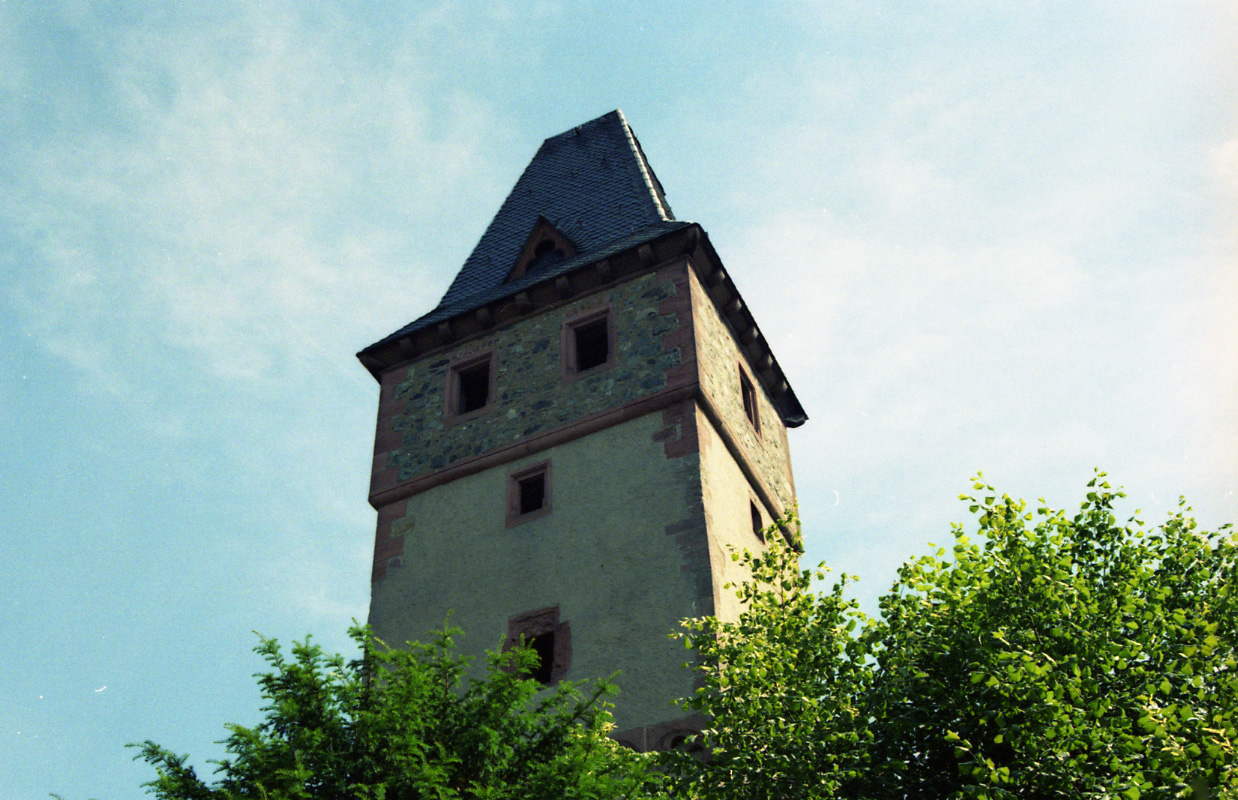
The castle car park is right next to the castle, making it a convenient place for you to begin your visit. From there, you can enter through the west gate into the inner bailey—the castle's oldest part. Here, you will discover the west gate, the stately palace (main hall), and the kitchen building. Be sure to climb the tower, or turm, rising above the inner bailey, for sweeping panoramic views westward into the Rhine Valley.
Burg Frankenstein's Chapel is one of the few buildings at the castle with preserved interior spaces.
As you explore the outer bailey, you will find mostly smaller ruins and portions of a curtain wall, but enough remains for you to appreciate the impressive size of the castle. You can walk around the outside of the castle walls as well, though at times the views are hidden by trees.
You can thoroughly explore the castle in two hours. For a memorable day, start at Schloss Heidelberg, then visit Burg Frankenstein for a couple of hours to round out your castle adventure.
There is a legend associated with Burg Frankenstein.