Pendragon Castle
History
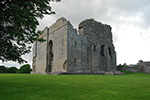
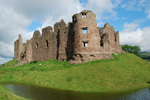
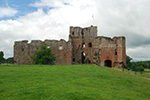
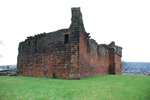
Pendragon Castle resides in the Vale of Mallerstang near the hamlet of Outhgill in Cumbria along the banks of the River Eden. Its location on a raised hill consists of a single ruinous tower. While legends link this castle to Uther Pendragon, father of King Arthur, the structure was built in the 12th century, more than 500 years after the time of King Arthur.
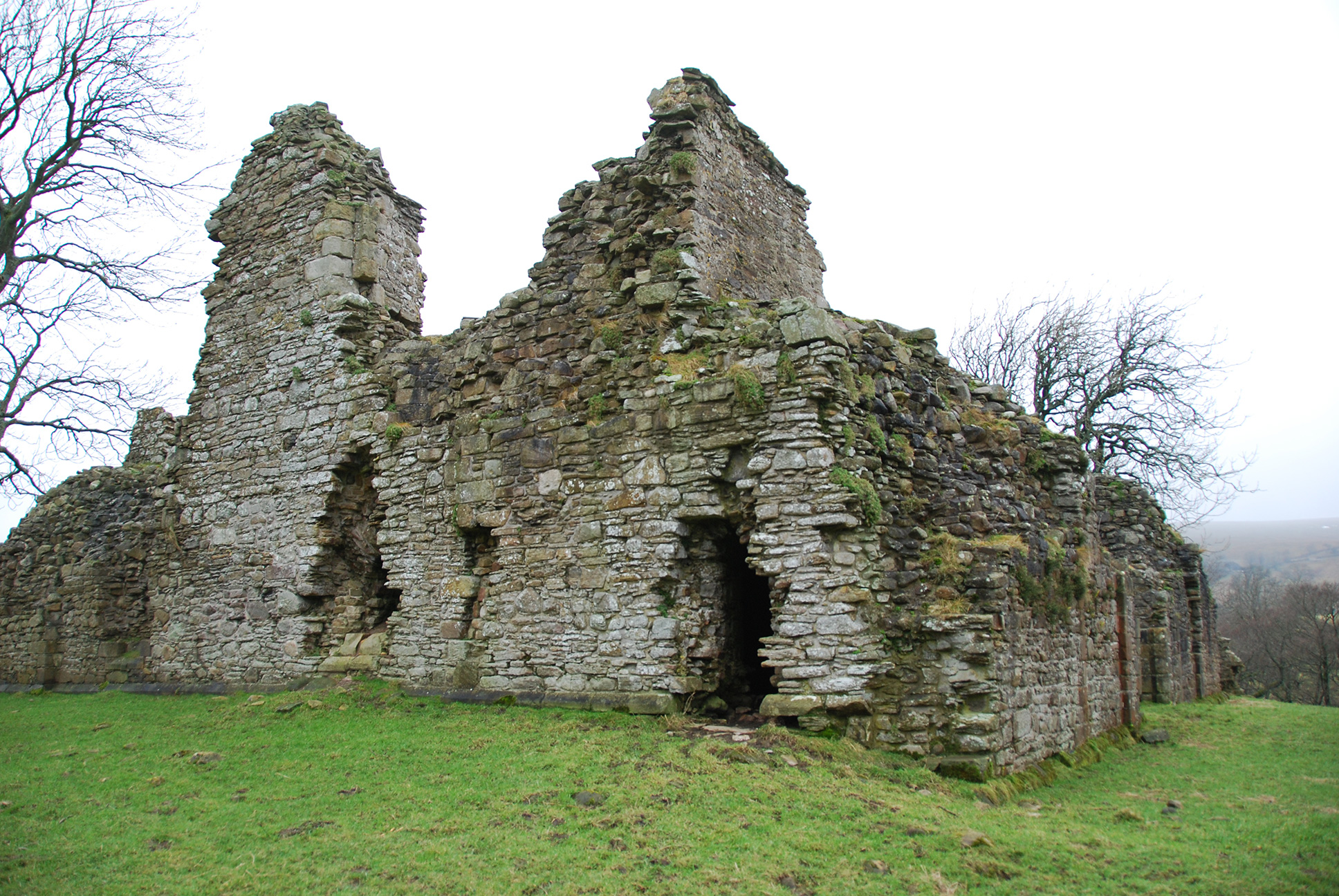
Sources disagree on who built the Norman keep, with some crediting Ranulph de Meschines, Earl of Chester, and others Hugh de Morville, but there is no evidence of a castle here before the 12th century. A notable castle owner was Sir Hugh de Morville, Lord of Westmorland, one of four knights who murdered Thomas Becket, Archbishop of Canterbury, in 1170. Henry II confiscated the castle for his part in the murder, and around 1203, it was restored to Hugh's nephew, Robert de Veteripont.
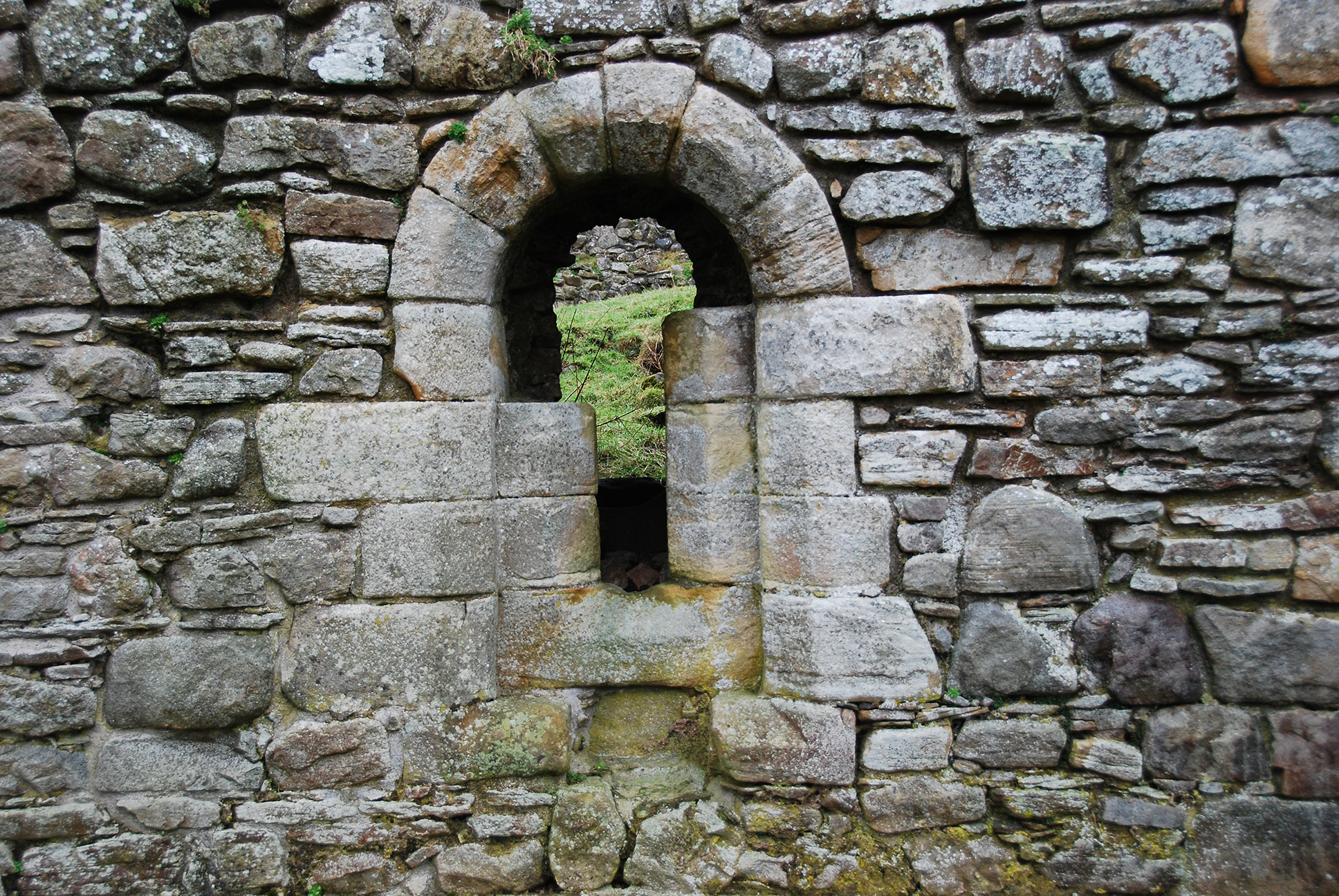
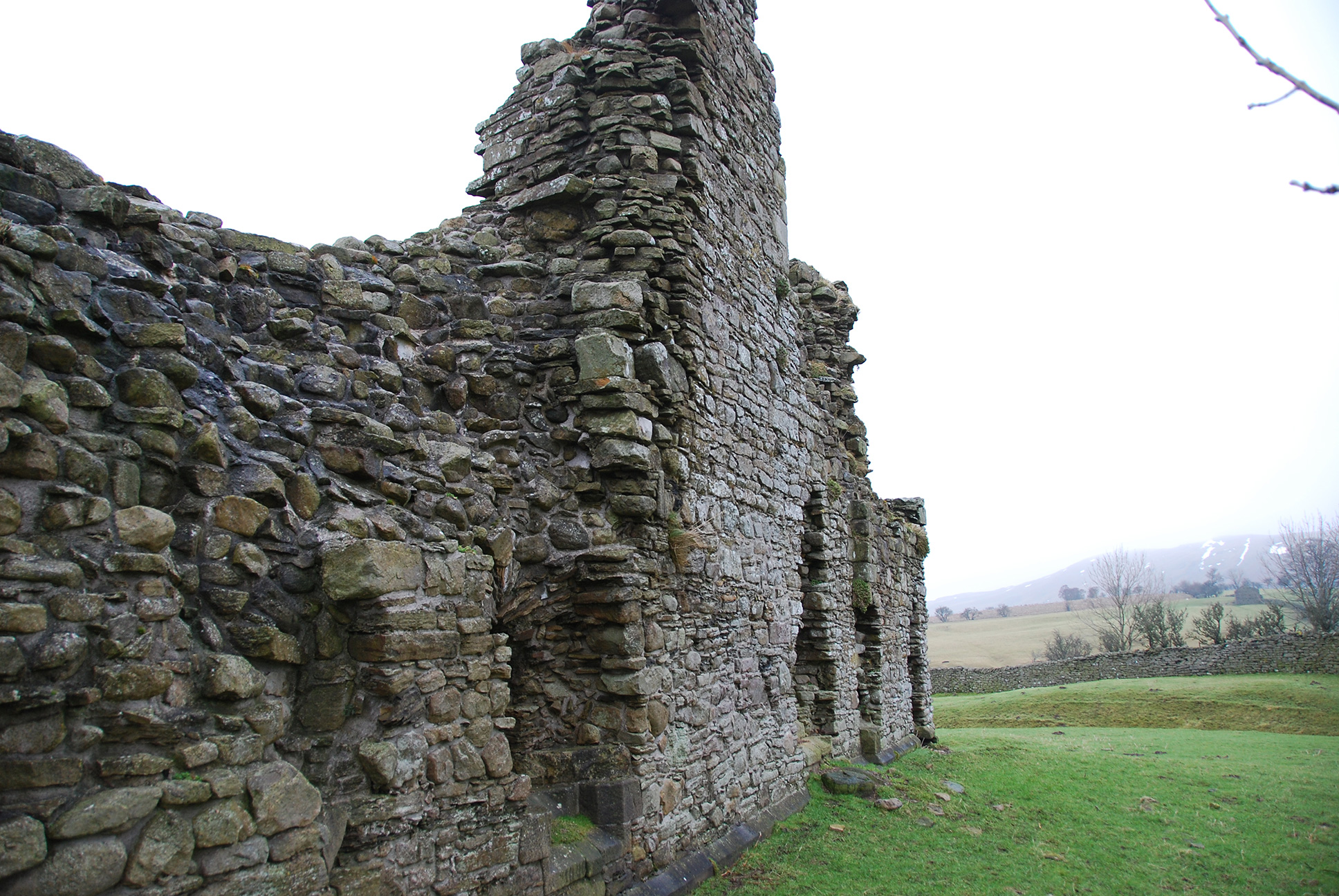
A round-arched window in the tower wall.
Lady Idonea de Veteripont lived at the castle for much of her life after her husband's death and died there in 1334, and she founded the church of St Mary at nearby Outhgill. In 1309, Robert de Clifford received a licence to crenellate, and he was killed at Bannockburn in 1314. The castle was attacked and set afire by the Scots in 1341 (some sources say 1342) but was rebuilt nearly 20 years later in 1360, under Roger de Clifford. The tallest part of the castle is the Garderobe Turret, added sometime in the 14th century.
Almost two centuries later, in 1541, fire again left the castle in ruins. Ownership of the castle eventually passed to Lady Anne Clifford, who rebuilt it in 1660 as she did with many other Northern England castles. Lady Anne added an enclosing wall and other structures, including a stable, bakery, and brewhouse. After she died in 1676, aged 86, the castle passed to the Earl of Thanet, who removed valuables and stripped the lead from the roof in 1685. By the 1770s, much of the building above the second storey had collapsed, and the castle gradually deteriorated into a ruinous state, with only a portion of the tower remaining today.
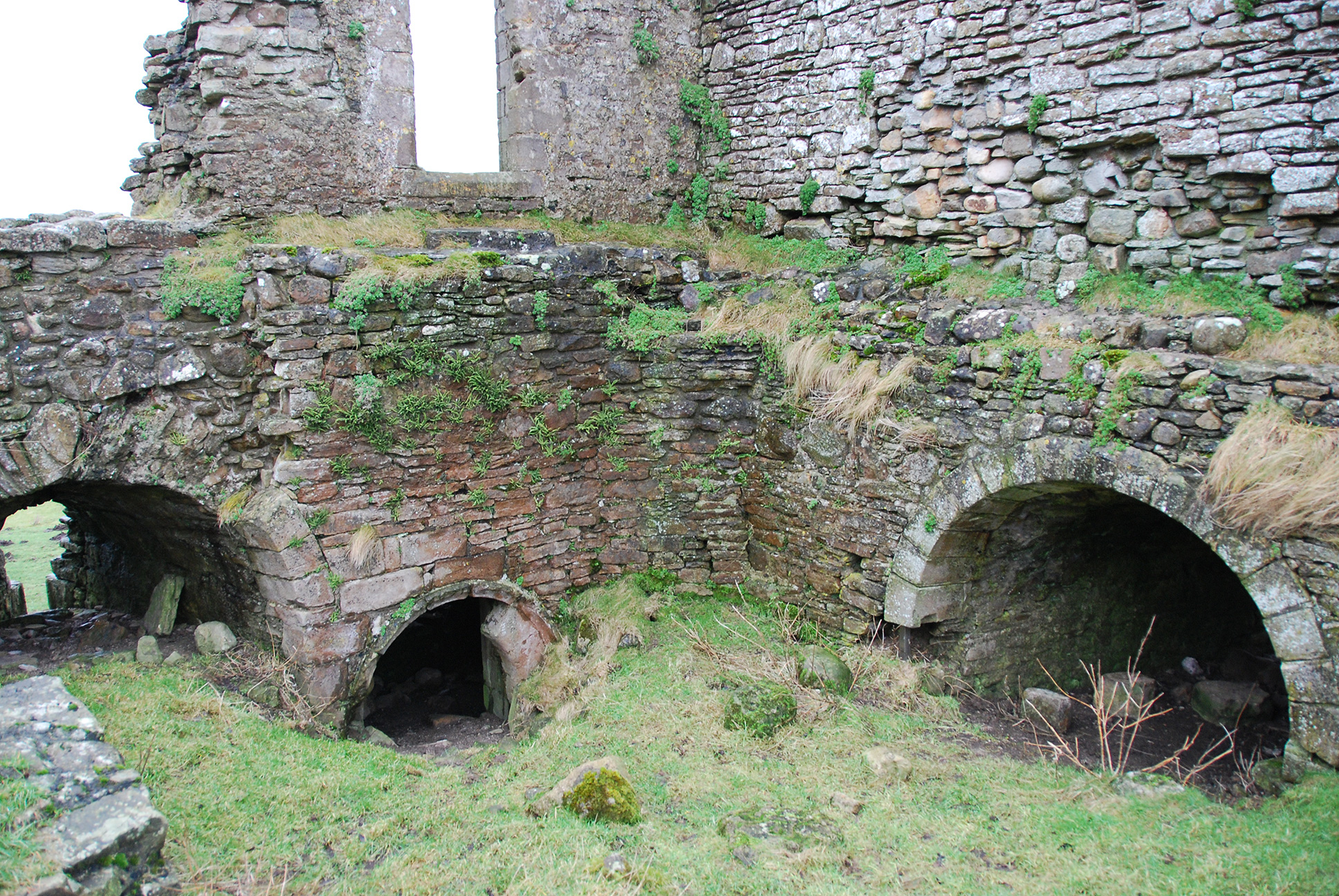
Vaulted chambers in the thick tower walls.
In 1962, the castle was sold at auction to Raven Frankland, a landowner and archaeologist, whose father had written a book on the Arthurian legends associated with the castle. After Raven died in 1998 and his wife Juliet in 2013, the castle passed to his cousin, John Bucknall. Some rubble has been cleared and the walls consolidated, and a survey by Lancaster University was published in 1996. The castle is a Grade I listed building and a scheduled monument.
Castle Highlights
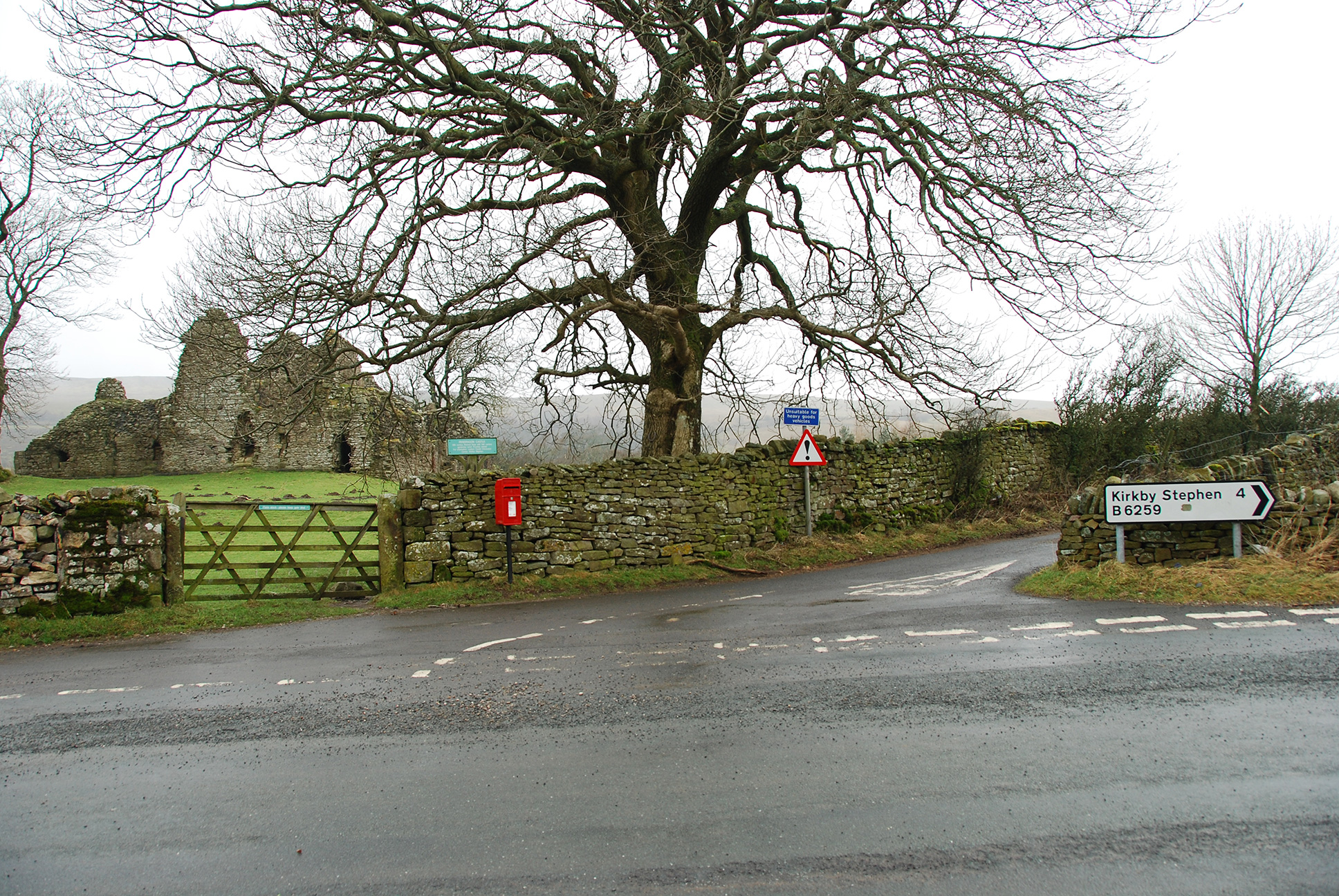
The roadside gate to the castle.
The castle is situated on private farmland but is still publicly accessible via the entrance gate located by the nearby road. Since the gate precludes livestock from leaving the farm, it is essential to ensure it is kept closed.
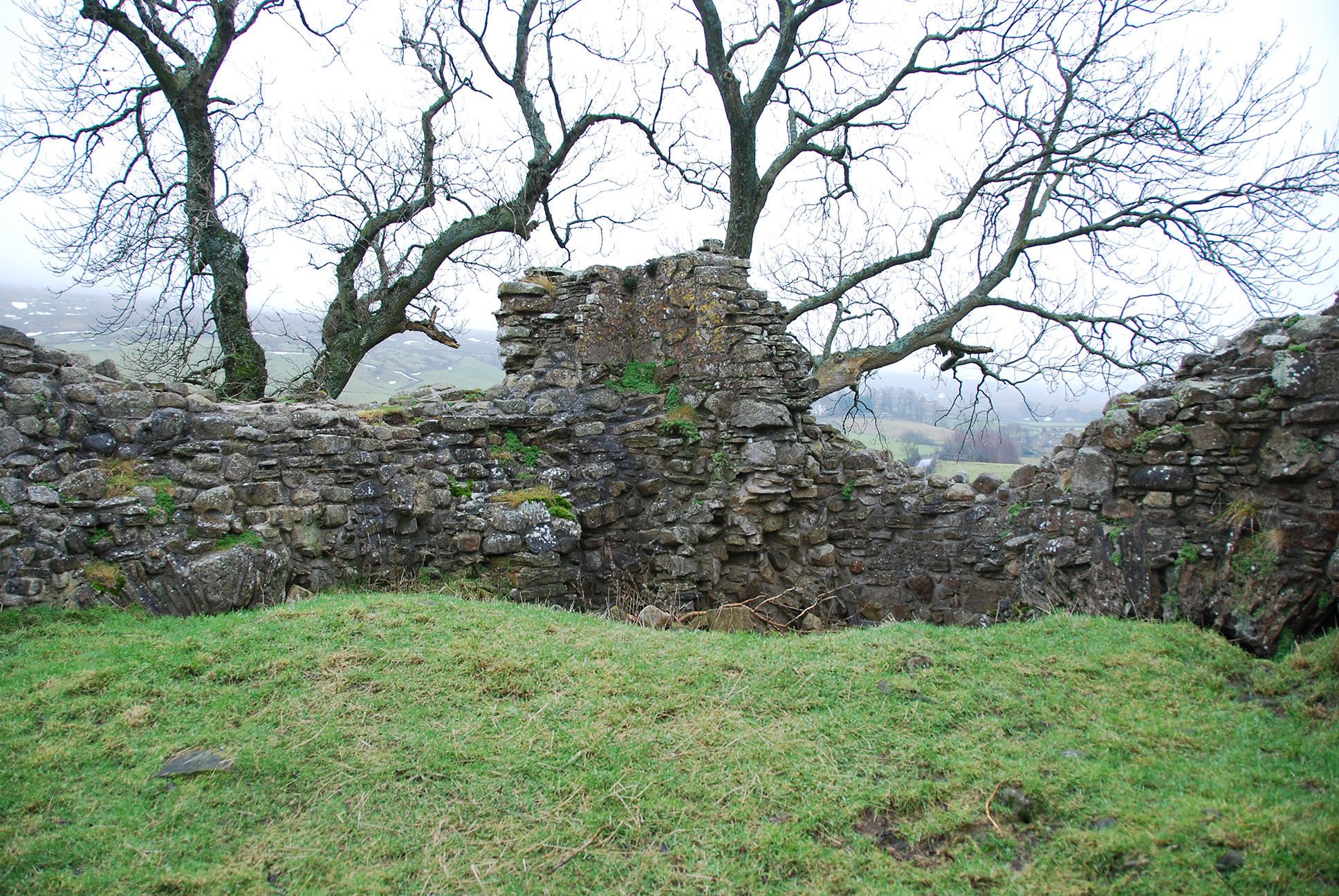
Pendragon Castle's remnants are considered relatively modest compared to other castle ruins. Only the base and partial remnants of the tower's first two stories remain intact. One of the walls contains an opening where a gate may have existed. The uneven ground within the castle includes a grass-covered mound, which consists of rubble accumulated from the upper floors.
The thick tower walls still contain several well-preserved vaulted chambers, which highlight the current architecture. The castle's alleged association with Uther Pendragon gives it a mystical feeling when visiting the ruins. One Uther Pendragon legend states Uther attempted to divert the River Eden to form a moat around the castle but was unsuccessful. Another legend says Uther died here after the Saxons poisoned the well. The name Pendragon is first recorded in 1309, and it probably arose from the later medieval enthusiasm for Arthurian romance.
Let Uther Pendragon do what he can
Eden will run where Eden ran
Pendragon Castle is also haunted.