Siege of Wallingford Castle
Background
Wallingford Castle belonged to Brian Fitz Count, a supporter of Henry I. After Henry died, Brian was considered a supporter of Stephen of Blois, but in 1139, Matilda traveled to England, and Brian announced his allegiance to her. This made Wallingford Castle the furthest east of the fortresses supporting Matilda.
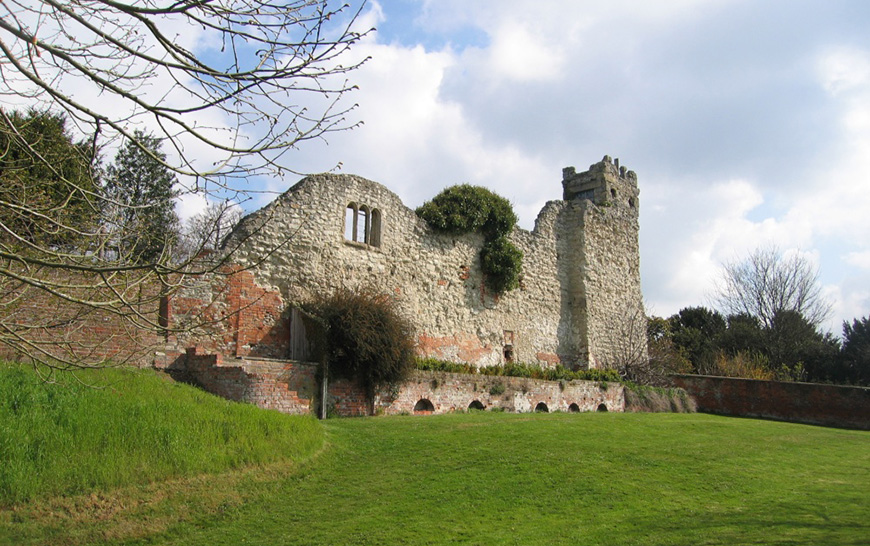
That same year, King Stephen attacked Wallingford Castle. He had intended to besiege it, but the castle was considered too impregnable to take. Well supplied, it could withstand a siege for years. Instead, Stephen built two counter-castles, fortified bases from which attacks could be launched, to contain Wallingford. The following year, Miles of Gloucester destroyed one of them.
After the fall of Oxford in 1142, Matilda fled to Wallingford Castle, and its importance grew. Brian Fitz Count then established a prison within the castle called Cloere Brien or "Brien's Close". After the Battle of Wilton, William Martel was captured and then held captive in the prison.
Between 1145 and 1146, Stephen tried again to seize Wallingford Castle, but he still could not take it, despite building more counter-castles.
Battle
By 1152, Wallingford Castle was the last stronghold in Oxfordshire loyal to Matilda and her son Henry Plantagenet. Stephen returned with a larger army, re-established the counter-castle at Crowmarsh Gifford, and built another at Wallingford Bridge. He then settled in for a long siege to starve the garrison into surrender.
Brian Fitz Count and Roger of Hereford, son of Miles of Gloucester, tried to break through Stephen's blockade, but they failed.
By 1153, the castle garrison was running out of food, and Roger of Hereford made a deal with Stephen, allowing him and his men to leave the castle.
Henry Plantagenet arrived in England and marched his men to Wallingford to relieve the castle, placing King Stephen's counter-castles under siege.
Stephen and Henry's forces faced off on the meadows outside the castle, expecting battle. But no battle occurred; instead, William d'Aubigny, Earl of Arundel, persuaded both sides that further fighting was futile, and a temporary truce was reached.
Aftermath
The standoff led to the peace deal known as the Treaty of Wallingford, in which Henry was recognized as Stephen's successor to the crown in return for Henry doing homage to him.
Stephen's son, Eustace, opposed the treaty, but when he suddenly died in August of 1153, a more formal agreement was written at Winchester in November of 1153 and later signed at Westminster.
Other terms of the Treaty included:
- Stephen would listen to Henry Plantagenet's advice while retaining all his powers as King.
- Stephen's remaining son, William, would do homage to Henry and renounce his claim to the throne in exchange for promises of the security of his lands.
- Key royal castles would be held on Henry's behalf by guarantors, while Stephen would have access to Henry's castles.
- The numerous foreign mercenaries would be demobilised and sent home.
In October of 1154, King Stephen died at Dover. Henry Plantagenet succeeded him as King Henry II.
In 1155, King Henry rewarded Wallingford for its assistance in his fight for the crown by giving the town its Royal Charter.
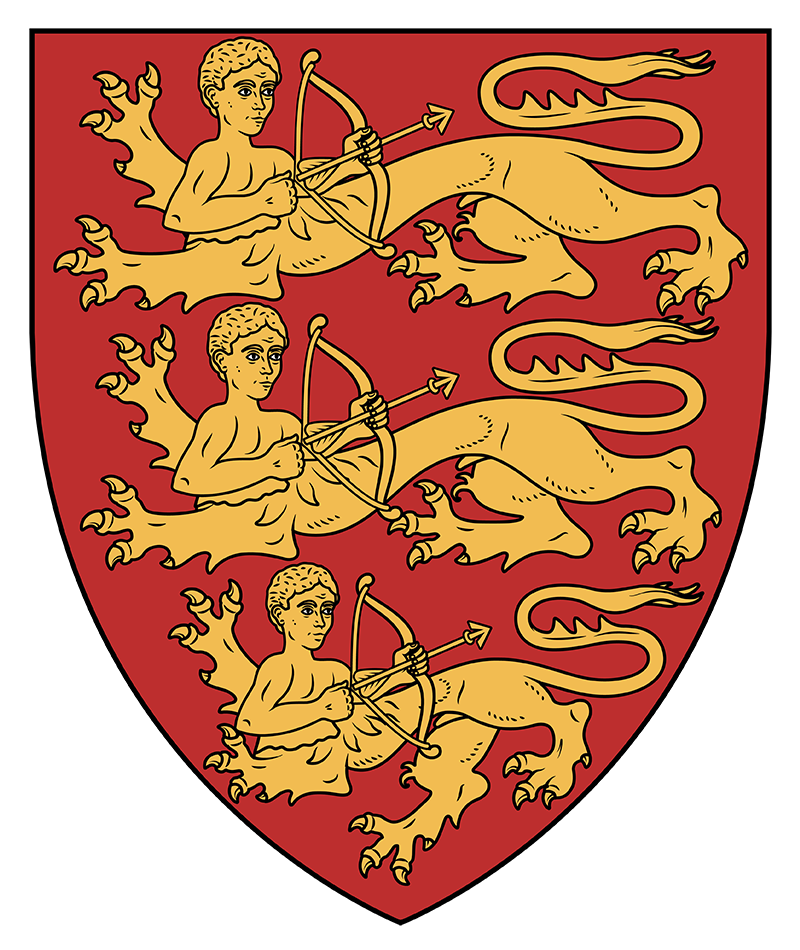


 Brian fitz Count