Siege of Winchester (1216)
Background
After the Siege of Rochester Castle, King John temporarily secured southeast England before moving to secure the north and east.
John spent Christmas at Nottingham before securing Belvoir, York, Newcastle, and Durham. By January 1216, he had reached Berwick and burned the town.
The barons reached out to Prince Louis, Future King Louis VIII of France, to invade England and take the crown from John.
King John recovered much of the north and East Anglia, and by spring, only London remained in the rebel barons' possession. The rebels had a limited number of knights from France, sent by Prince Louis to help control London.
By late May, Prince Louis himself had arrived in England, landing on the Isle of Thanet in Kent with a large force of knights. Louis retook Rochester Castle and headed north to London, where he was proclaimed King of England at St Paul's Cathedral, but he was not crowned.
By this time, King John had already withdrawn and headed west to Winchester.
Prince Louis then headed west through Surrey and Hampshire, taking the castles at Reigate, Guildford, and Farnham before reaching Winchester around June 14th, 1216.
When he arrived, he found that King John had already left Winchester on June 5th and was now at Corfe Castle in Dorset. John had left Savaric de Mauléon in charge of the defenses at Winchester.
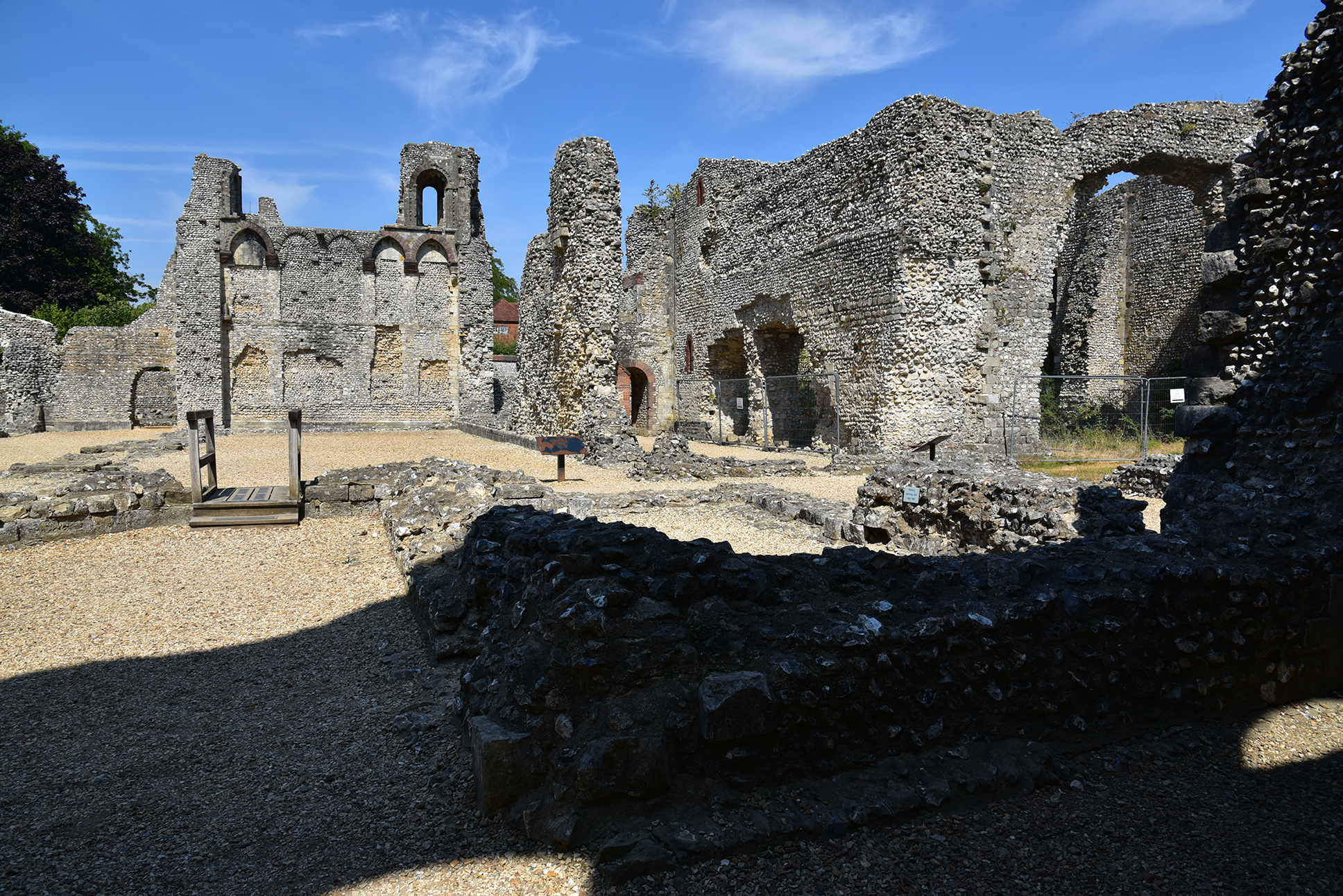
At the time, Winchester was a walled town, and within the walls stood two castles: Royal Winchester Castle and Wolvesey Castle, home to the Bishops of Winchester.
De Mauléon ordered his men to deny the besiegers resources and shelter by setting the town ablaze. However, some townsfolk put out the fires and allowed Louis' forces to enter the city, though the two castles held out against him.
Battle
Winchester Castle was Louis's primary target, and he and his men laid siege to it. It withstood bombardment for about two weeks from heavy objects launched from siege engines.
At the same time, King John's illegitimate son, Oliver FitzRoy (fitz Regis), held Wolvesey Castle, near Winchester Cathedral, on behalf of Bishop Peter de Roches.
A separate detachment of Louis's men, under Daniel de Béthune, besieged Wolvesey and bombarded it with siege engines. Daniel's younger brother, Robert de Béthune, fought on the opposite side of the war, leading Flemish mercenaries for King John at the Siege of Rochester the previous year.
Four notable supporters of King John arrived during the siege: William Longespée, Earl of Salisbury; William de Warenne, Earl of Surrey; William d'Aubigny, Earl of Arundel; and William de Forz, Earl of Ablemarle. All four then defected from King John, joined Prince Louis and the rebellious barons, and received their lands back from their new lord.
Attackers then successfully undermined Winchester Castle, breaching the walls. Both castle garrisons surrendered around June 24th, after about two weeks.
Aftermath
The castle garrisons were allowed to withdraw under terms of surrender. Savary de Mauléon obtained safe-conduct and later rejoined King John.
Louis took full possession and installed his own men to garrison the castles. He then gave Winchester Castle to Hervé de Donzy, Count of Nevers. Louis also takes the Hampshire castles of Portchester and Odiham, the latter holding out with a small garrison before surrendering.
With the loss of territory and several powerful barons now joining Louis, King John suffered a significant blow to his power, but the First Barons' War was far from over.
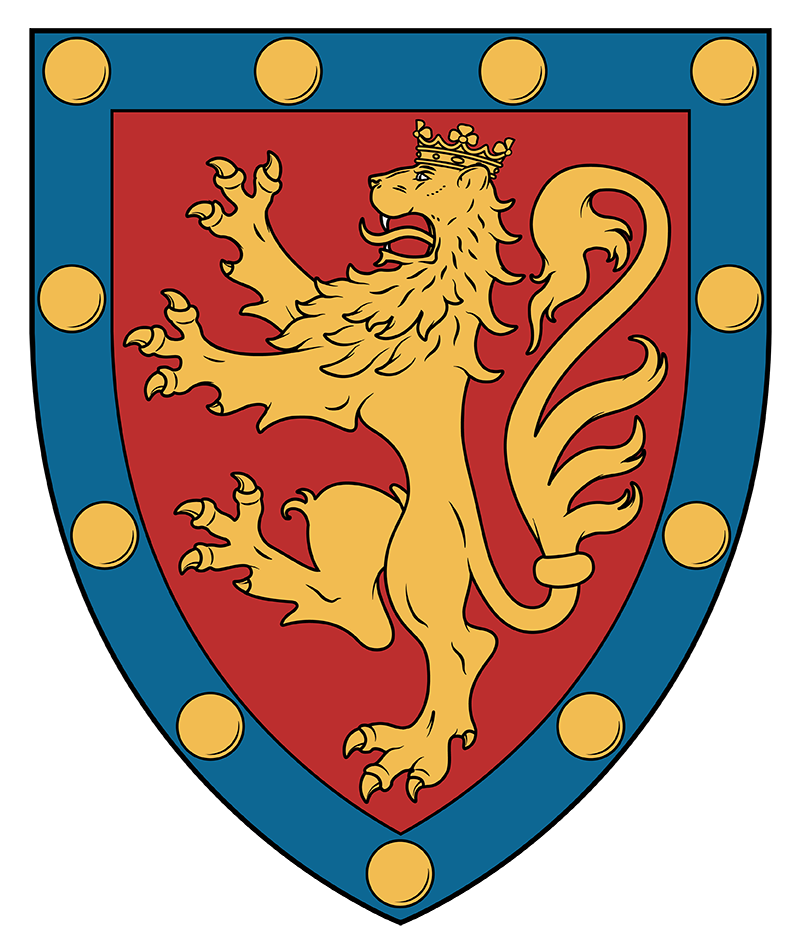
 Oliver FitzRoy