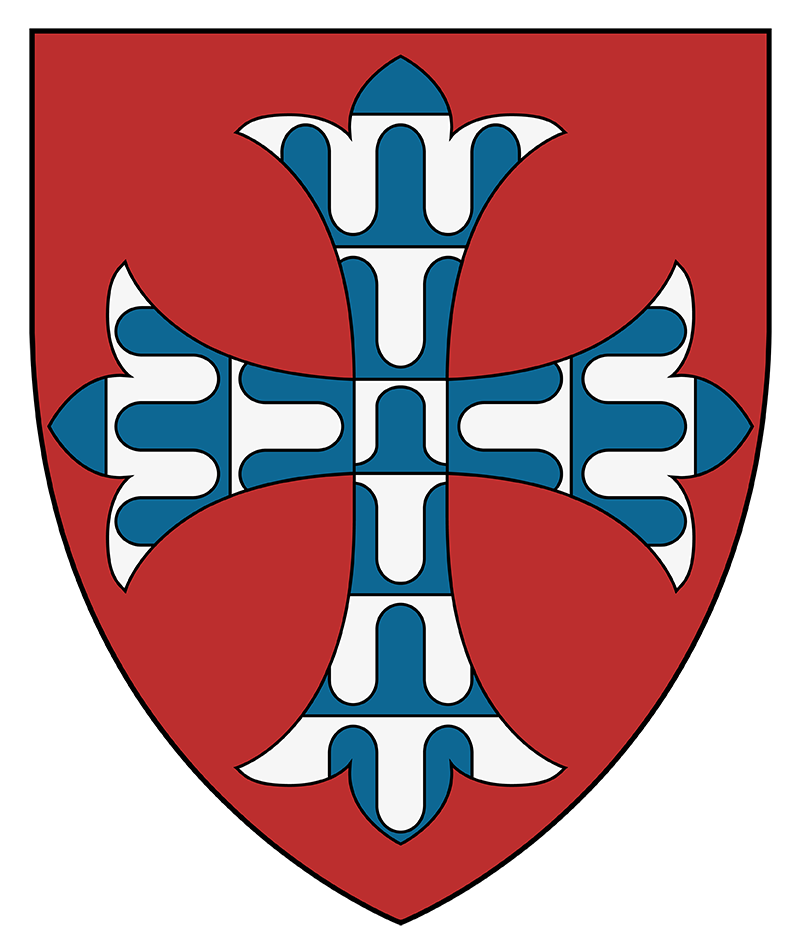
William de Forz - 3rd Earl of Albemarle
A feudal adventurer of the worst type.
William de Forz was a 12th century English Nobleman of Poitevin origin, one of the 25 baronial sureties of Magna Carta in 1215, and a man who often changed allegiances.
William was born around 1190 and was the son of William de Forz, a minor noble from Fors in Poitou, and Hawise, Countess of Aumale and daughter and heiress of William le Gros.
Soon after 1213, King John established Albemarle in the territories of the Earldom of Albemarle. William came to England around 1214 under safe conduct to claim his inheritance.
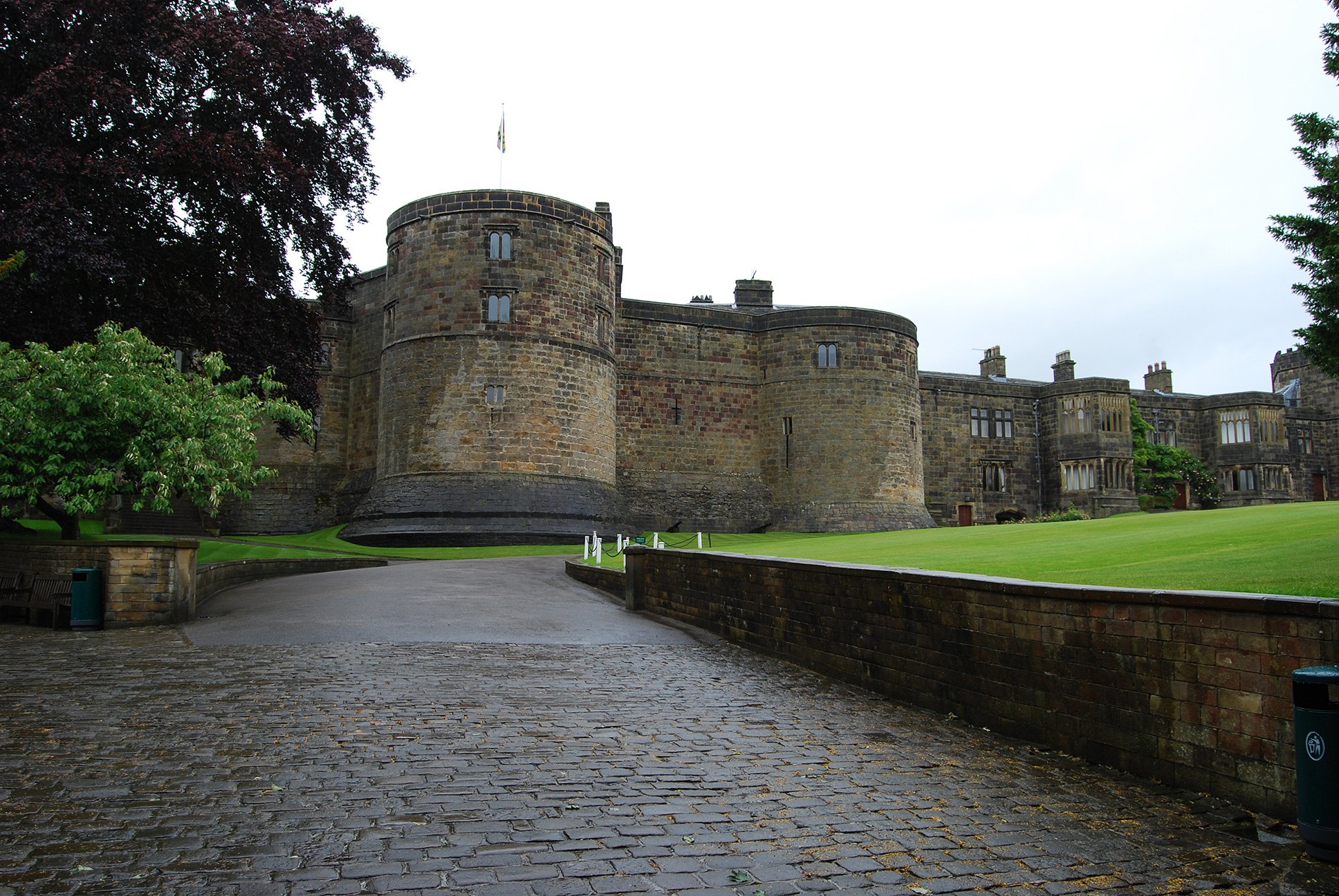
In 1215, King John formally confirmed all of his mother's estates to him. The Earldom of Albemarle included a large estate in Yorkshire, with Skipsea Castle, and the Honor of Craven, with Skipton Castle, as well as estates in Lincolnshire and elsewhere. The county of Aumale in Normandy had previously been lost to the French, making William the first Earl to hold the title as an English domain.
William joined the baronial opposition to King John in 1215 and was named one of the 25 Magna Carta sureties, tasked with ensuring King John complied with Magna Carta. The barons made him constable of Scarborough Castle.
William married Aveline de Montfichet, a sister of Richard de Montfichet, another of the 25 Magna Carta Sureties. William and Aveline had one son, William.
However, William quickly switched his allegiance back to John, becoming the only Magna Carta surety to do so promptly, and accompanied him on his northern campaigns.
In June 1216, when the French besieged Winchester, William de Forz and three other nobles switched their allegiance to Prince Louis and the rebellious barons.
When King John died in October of 1216, William de Forz again changed sides and supported King Henry III at the Siege of Mountsorrel in Leicestershire and the Second Battle of Lincoln. The crown made him constable of Rockingham Castle and Sauvey Castle.
William joined Falkes de Bréauté and other foreign adventurers in an effort to revive the independent power of the feudal barons, which brought him into direct conflict with Hubert de Burgh, the great justiciar. The 19th century historian William Stubbs described William as "a feudal adventurer of the worst type".
In 1219, William was declared a rebel and excommunicated for sponsoring a forbidden tournament in Brackley. In 1220, he refused to surrender the royal castles of Rockingham and Sauvey. King Henry III marched against them in person, and both castles fell to Henry without a blow. The following year, William de Forz rose in revolt as his power diminished.
Pandulf Verraccio, Bishop of Norwich, excommunicated him again at a council held at St. Paul's Cathedral. His castle at Bytham was captured, and William sought sanctuary from the church. The bishop pardoned William on the condition that he go to the Holy Land for six years. But William remained in England and, in 1223, was once more in revolt with Falkes de Bréauté. Only after de Bréauté's fall did William de Forz settle down as an English noble. In 1224, William became loyal to King Henry III. In 1225, he witnessed the reissue of Magna Carta.
In 1230, William de Forz accompanied Henry III on his expedition to Brittany. In 1241, he set out for the Holy Land, but he died at sea on March 26th, 1242, on his way there. His estates and title passed to his son, William de Forz, 4th Earl of Albemarle.