Bronllys Castle / Castell Bronllys
History
Bronllys Castle is a motte-and-bailey castle built around 1100 by the Norman lord Richard FitzPons, overlooking the River Llynfi in Powys, Wales. The original timber castle was built to establish Norman control over the surrounding Breconshire area.
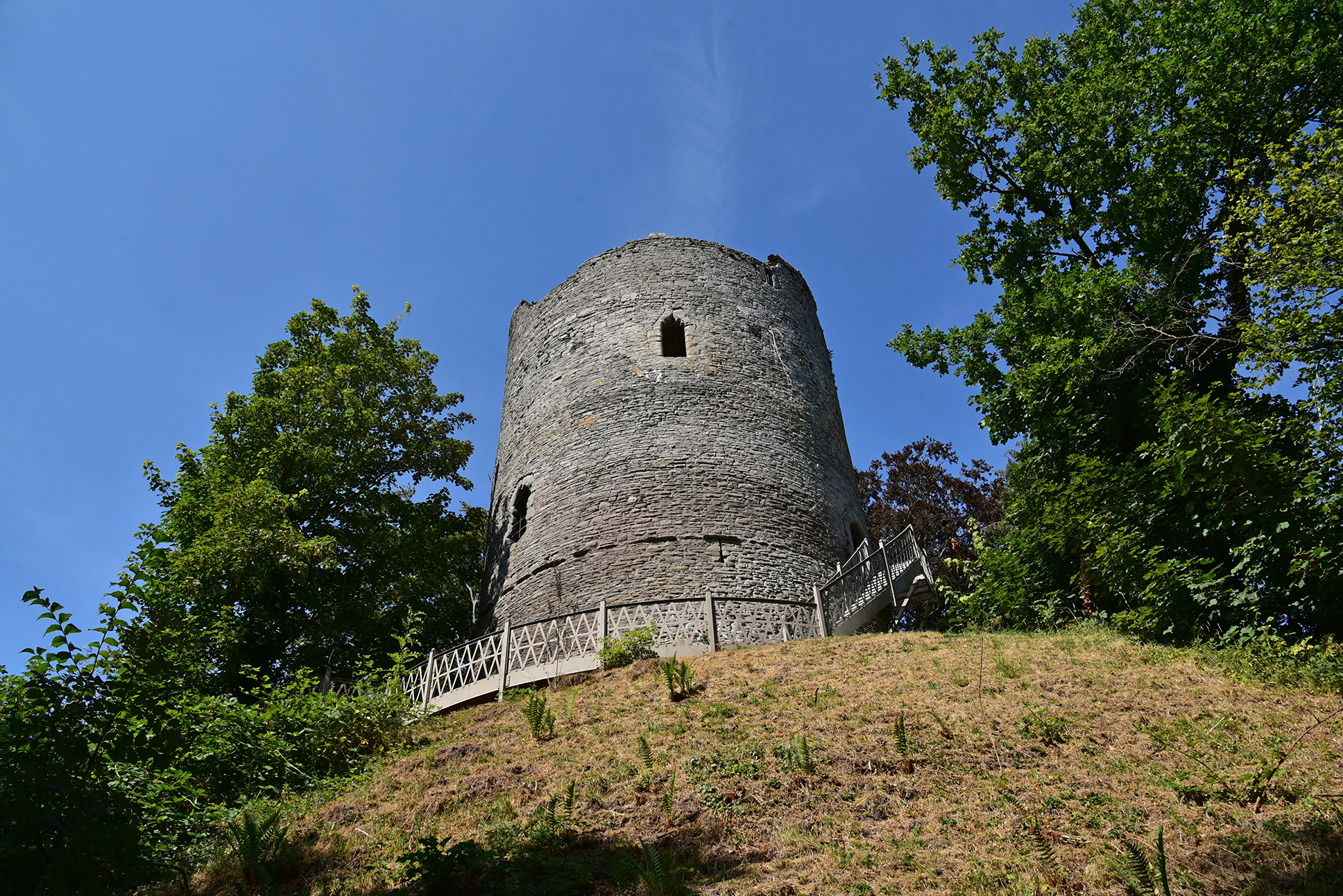
In 1144, Roger FitzMiles, earl of Hereford, detached the surrounding land from the Lordship of Brecknock and granted it to Richard's son, Walter de Clifford. Walter rebuilt the castle in stone and likely added the round tower on the motte.
In 1165, the round tower caught fire, and a falling stone from the battlements landed on Mahel de Hereford, the last surviving brother of Roger FitzMiles. The stone caused fatal wounds to Mahel, who repented his persecution of the Bishop of St Davids, which he blamed for his fate, according to Gerald of Wales.
In 1221, Walter de Clifford, the founder's great-grandson, inherited the castle and enlarged the surviving stone keep in the early 13th century. By September 1233, he defended the castle against his father-in-law Llywelyn ab Iorwerth (Llywelyn the Great). Negotiations with Llywelyn also took place there.
When Walter died in 1263, he had no male heir, so Bronllys Castle passed through his daughter Maud, who married John Giffard, and then to their younger daughter, also named Maud. After her death in 1311, King Edward II granted the castle to Rhys ap Hywel as a reward for his loyalty. Rhys later rebelled against Edward and lost the castle, but he regained it after helping depose the King. Rhys was part of the search party that seized Edward II. The castle later passed to his son Philip ap Rhys.
The new King, Edward III, was persuaded by Humphrey de Bohun, 7th Earl of Hereford, that the castle needed a strong magnate, so he gave it to the Bohuns. When Humphrey died in 1373, the inheritance of the castle was later disputed by the husbands of his daughters, Thomas of Woodstock, Duke of Gloucester, and Henry Bolingbroke, future King Henry IV. Henry Bolingbroke secured it in 1399, the year he became King.
In the early 15th century, following the deposition and death of Richard II, Bronllys Castle was fortified against Owain Glyndŵr's forces during the Glyndŵr Rising in Wales, but it was never again occupied as a major stronghold. The castle later passed to the Bohun heiress into the Stafford family. Edward Stafford, 3rd Duke of Buckingham, was executed in 1521 for treason after being suspected of plotting against King Henry VIII, and the castle became crown property. John Leland reported that the castle was already in great disrepair. By 1583, the condition was worse, and it fell into ruin with no further military use.
CADW (Welsh Historic Monuments) took over guardianship in the 20th century and has cared for the castle since then. The adjacent house remains in private hands.
Castle Highlights
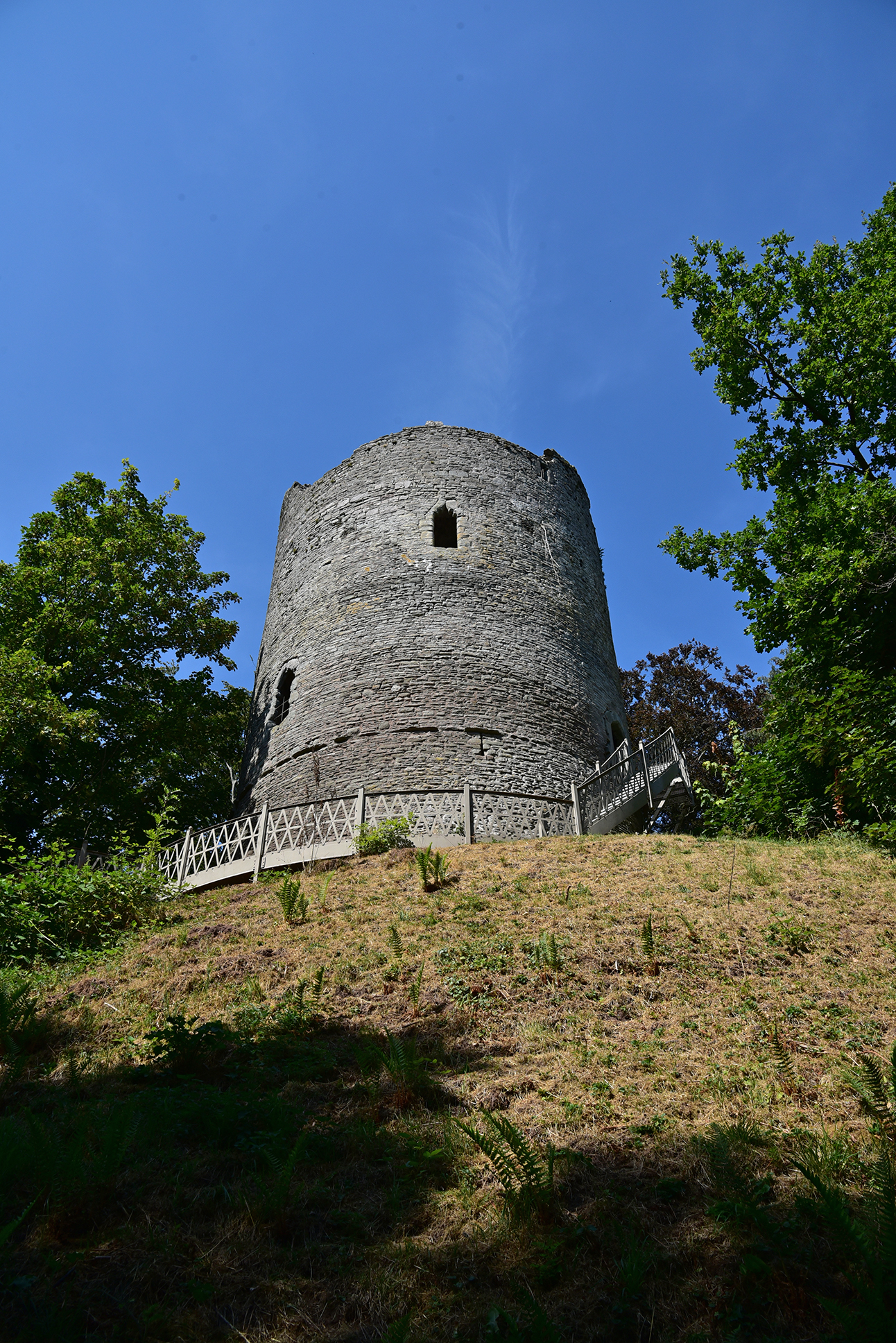
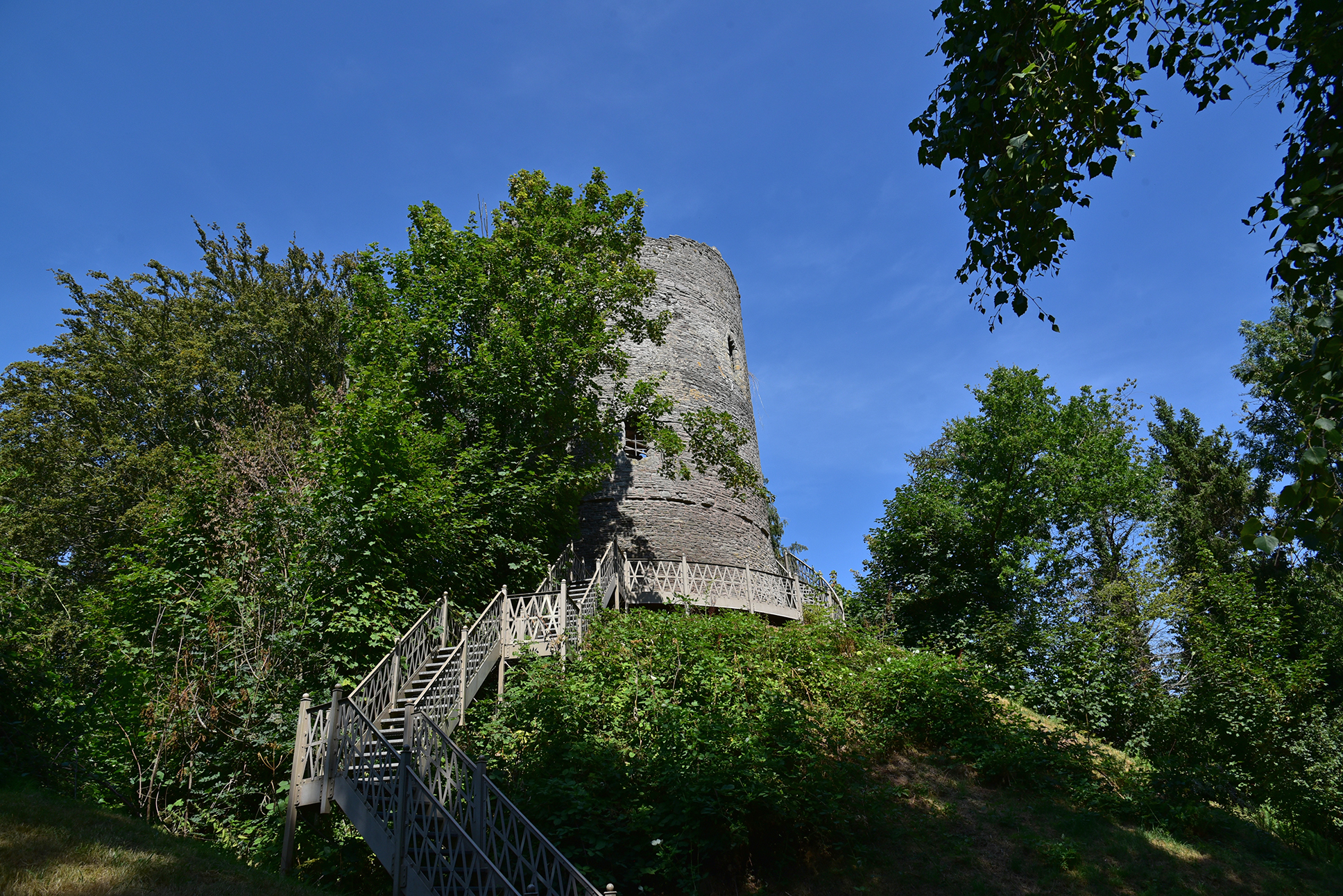
Most of what remains today is the tall round stone keep on a high motte. It stands nearly 80 feet high and has a vaulted basement with three additional stories. Visitors can climb the keep and see original details such as fireplaces, windows, and internal staircases.
Behind the keep, through the woods, are remains of the bailey, with hints of banks, ditches, and possible tower locations. Yet the classic castle support buildings—such as a great hall, stables, or chapel—are lost to time. A private modern house now resides in part of the inner bailey.
The keep is worth a visit if you are traveling along the A479 near Bronllys or while visiting Hay Castle or Tretower Castle. Before you go, check the CADW website to make sure the keep is open, as they sometimes close it in summer to avoid disturbing nesting birds in the tower. There is a pull-off spot on the A479 directly across from the path to the castle, long enough for 2 to 3 cars.